What is Arthritis?
Arthritis is not a single disease but an umbrella term for more than 100 conditions that cause inflammation, swelling, and pain in one or more joints. It can affect people of all ages, leading to persistent discomfort.
When a joint becomes inflamed, it can cause severe stiffness, reduced range of motion, and structural damage. This frequently impacts weight-bearing areas like the knees, hips, and the facet joints of the spine.
At Ahmedabad Spine Hospital, treatment focuses on reducing joint inflammation, managing pain effectively, and helping patients regain their independence with personalized medical care.
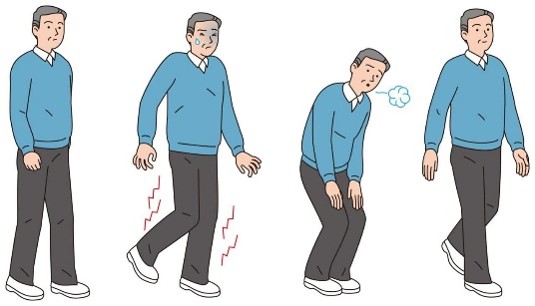

Nerve Pain
Persistent ache or sharp pain felt in the joints during or after physical activity.

Stiffness & Swelling
Difficulty moving joints comfortably, especially first thing in the morning.
Expert Diagnosis
Advanced imaging and physical tests help pinpoint the exact type of arthritis.
Active Mobility
Targeted therapy to preserve your joint function and help you stay moving freely.
Common signs and causes of arthritis
Arthritis symptoms may develop slowly over time or appear suddenly during a flare-up. Pain and stiffness often become worse after periods of inactivity, in the morning, or following strenuous physical movement.
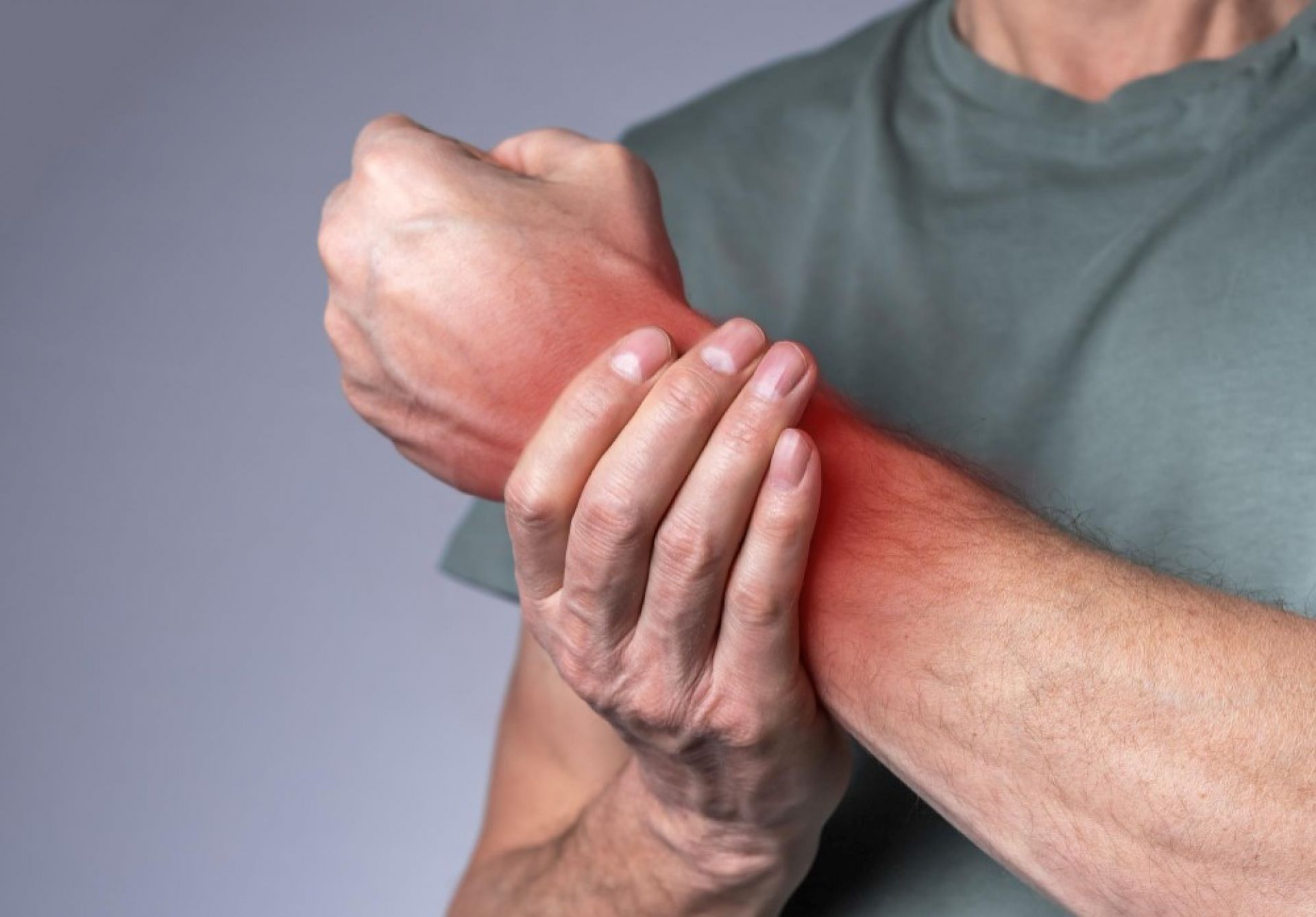
Common Signs
- Persistent pain and tenderness in one or more joints
- Joint stiffness, especially early in the morning
- Visible swelling, redness, or warmth around the joint
- Reduced range of motion and difficulty bending
- A grating or clicking feeling during movement
- Decreased grip strength or difficulty climbing stairs

Possible Reasons
- Natural wear and tear of joint cartilage with age
- Autoimmune response where the body attacks joint linings
- Previous joint injuries, fractures, or sports trauma
- Family history and genetic predisposition
- Excess weight placing repetitive stress on joints
- Build-up of uric acid crystals in the joint spaces

How We Find the Cause
Finding the cause includes understanding your joint pain history, checking your mobility, examining joint inflammation, and identifying the specific type of arthritis.
- Physical examination to check for joint warmth, swelling, and tenderness
- Assessing joint flexibility, range of motion, and stability
- X-rays to check for cartilage loss, bone spurs, or joint damage
- MRI scans to evaluate soft tissues, ligaments, and early joint linings
- Blood tests or joint fluid analysis to check for inflammatory or uric acid markers
Treatment Options
Most arthritis cases are managed effectively with conservative, non-surgical therapies. The treatment plan depends on the type of arthritis, joint severity, and lifestyle impact.
- Medications to reduce joint inflammation and relieve chronic pain
- Targeted physiotherapy to strengthen muscles around the joints
- Low-impact exercises to preserve joint flexibility and function
- Weight management and dietary guidance to reduce joint stress
- Custom splints, braces, or assistive devices for joint protection
- Advanced joint care and localized pain relief support
- Surgical consultation if conservative options no longer provide relief
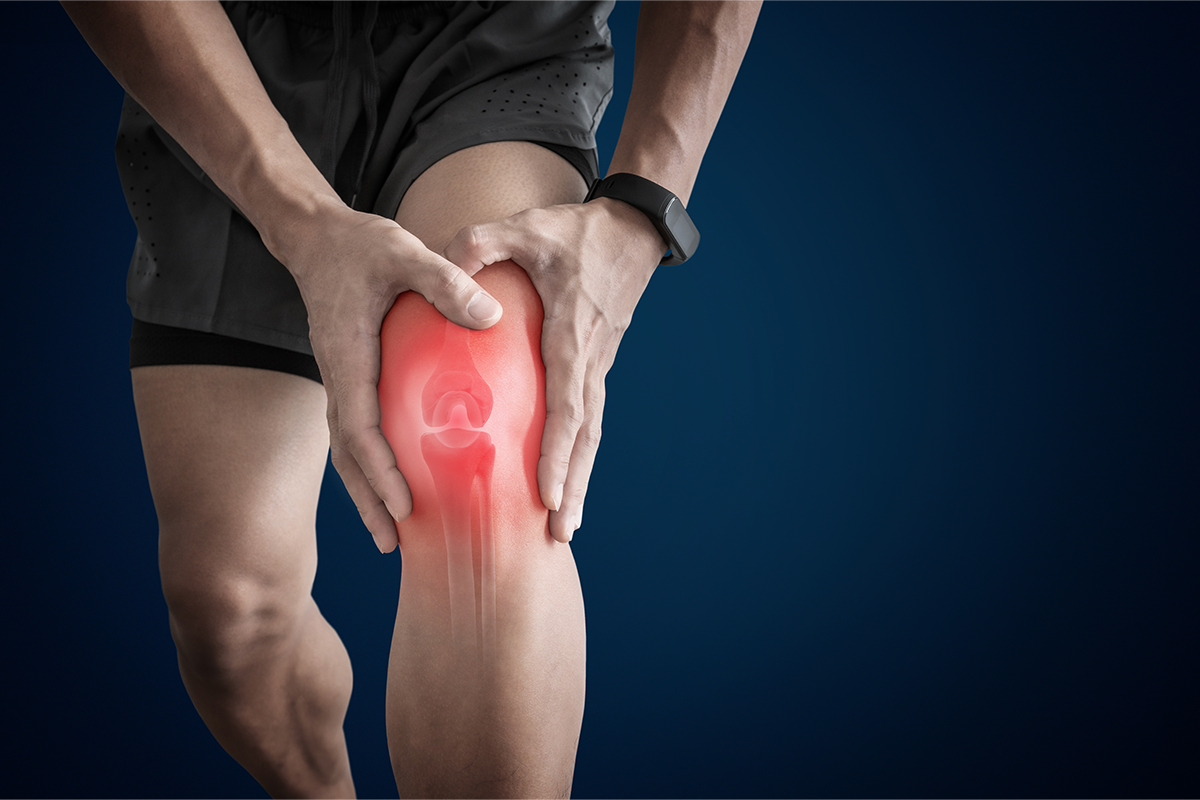
When is surgery needed?
Surgery may be advised if severe joint pain does not improve with conservative care, mobility becomes highly restricted, or joint damage limits your basic daily activities. The goal is to repair the joint, align bone structures, or perform a joint replacement to restore movement and eliminate pain.
Who is at risk?
- Individuals with an increasing age or family history of joint wear
- People carrying excess body weight that adds stress to joints
- Individuals with past joint injuries or repeated sports trauma
- Professionals doing repetitive tasks or prolonged joint strain
- People suffering from metabolic disorders like high uric acid levels
- Individuals with conditions affecting the spine's facet joints
Why timely treatment matters
Ignoring persistent joint pain or stiffness can lead to progressive cartilage breakdown and long-term loss of mobility. Early clinical care helps control structural joint damage, manages severe inflammation flare-ups, and prevents permanent changes to your daily lifestyle.