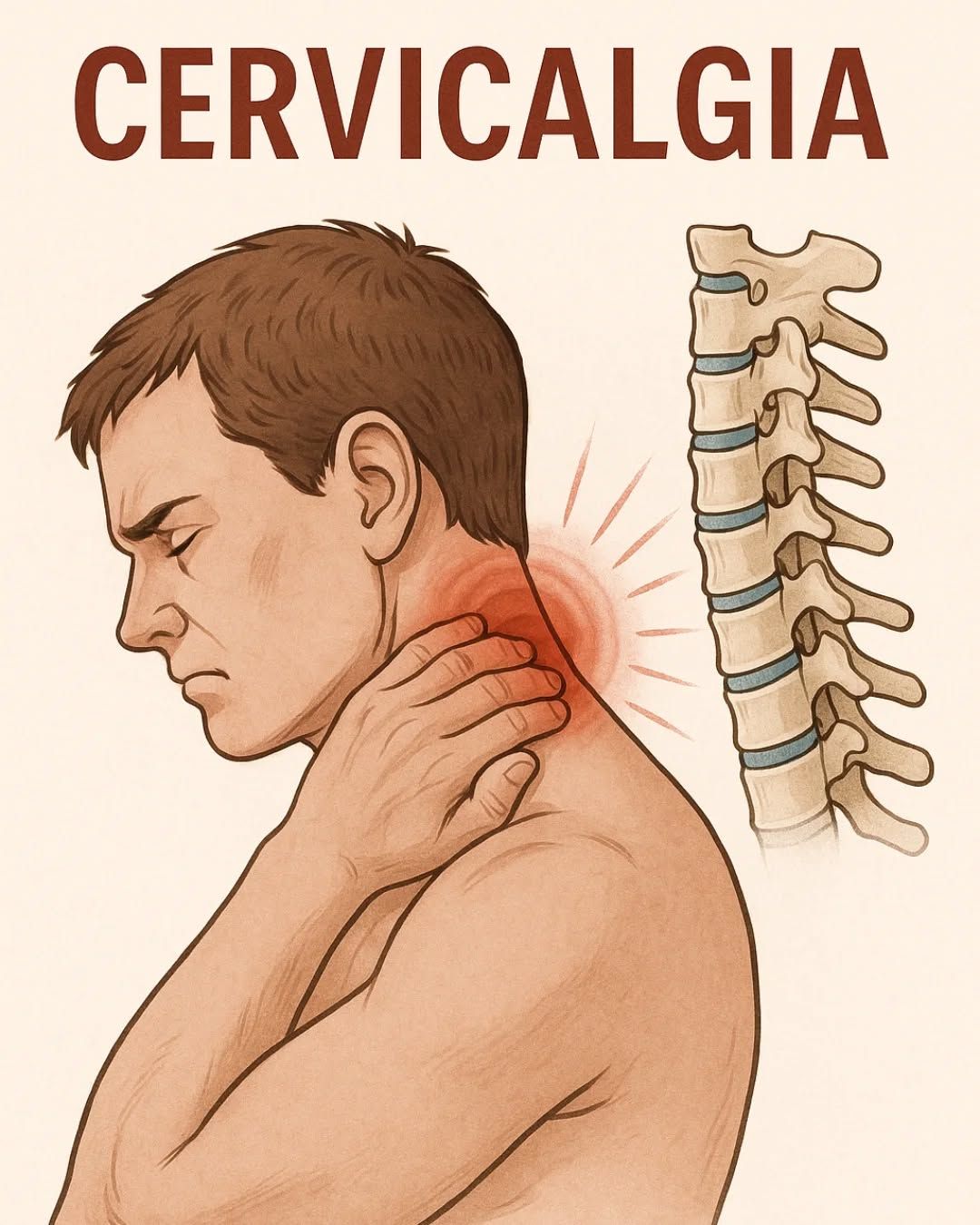
What are Cervical Spine Fractures & Dislocations?
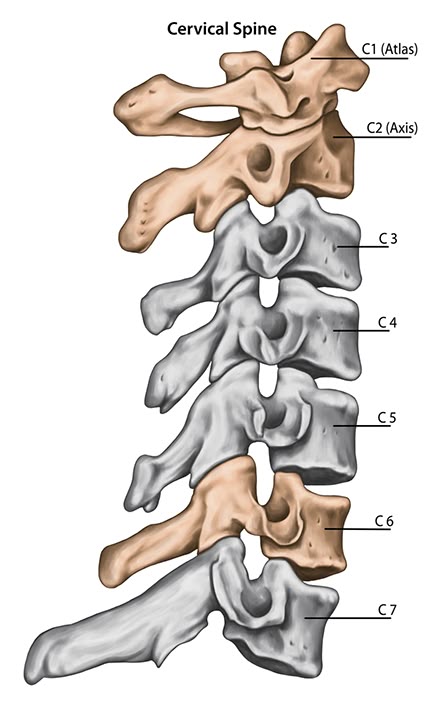
The cervical spine supports the head and protects important nerves and the spinal cord. A fracture means a break in one of the neck bones, while a dislocation happens when spinal joints move out of their normal position.
These injuries can range from mild stable fractures to severe injuries that affect spinal alignment, movement, and nerve function. Some patients may experience neck pain only, while others may develop weakness, numbness, or difficulty moving the arms or legs.
At Ahmedabad Spine Hospital, the focus is on rapid check-up, spine strength and support, nerve protection, and safe recovery planning based on each patient’s injury pattern.
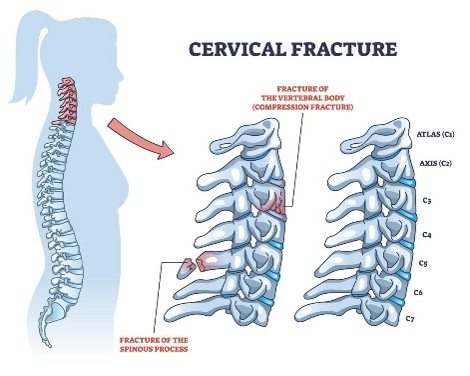
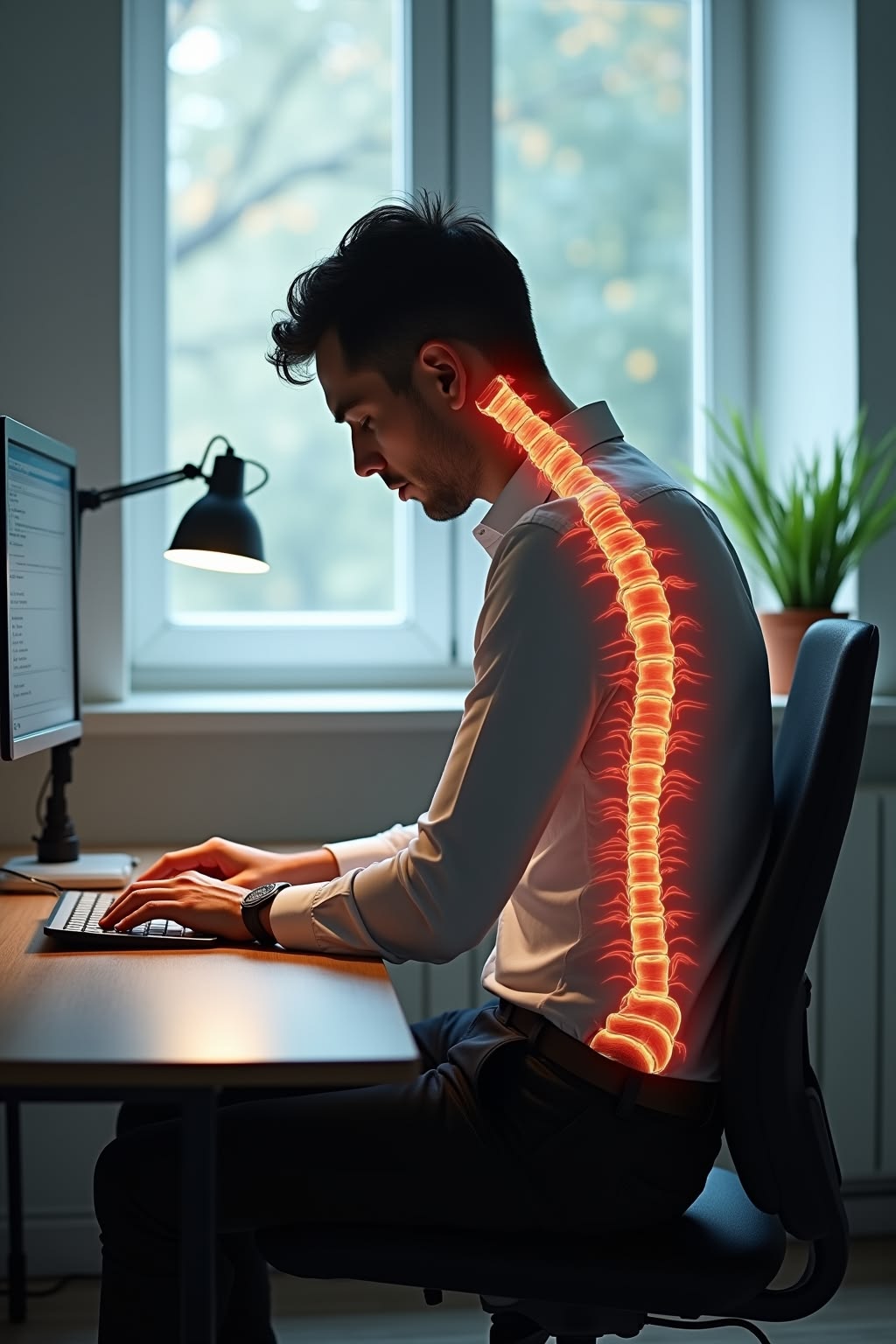
Traumatic Neck Injury
Accidents or falls can lead to serious injuries involving the cervical spine.
Spinal Stability
Treatment focuses on maintaining proper spine alignment and support.
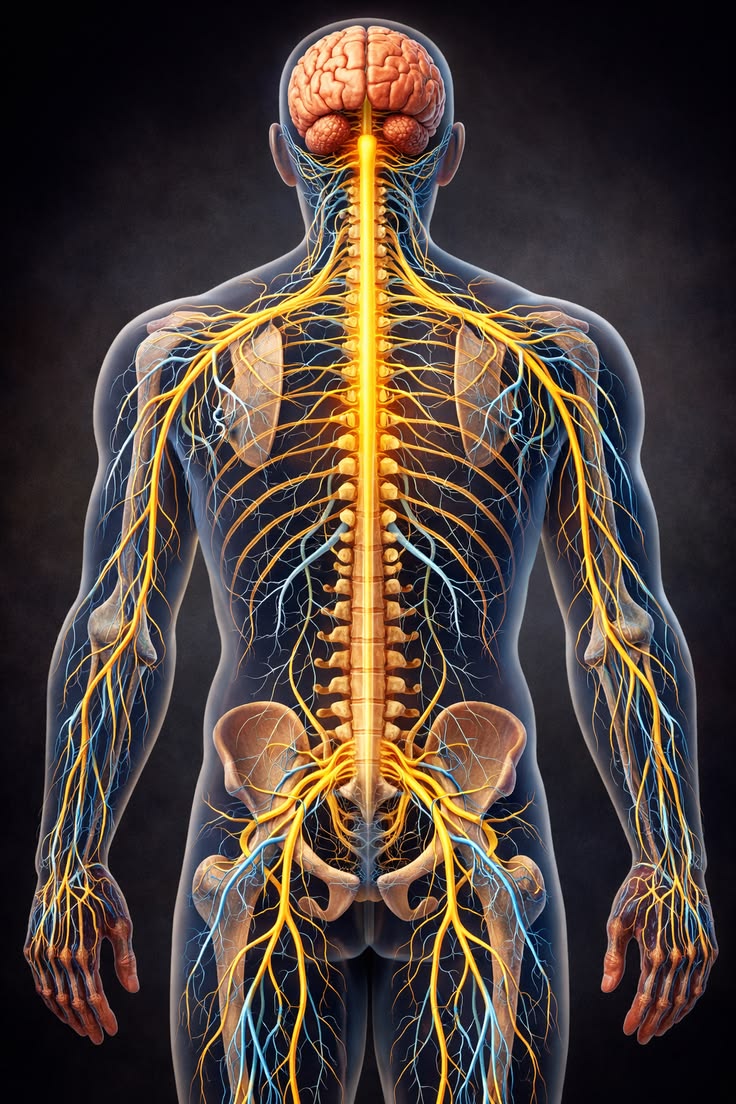
Nerve Check-up
Careful examination helps identify nerve or spinal cord involvement.

Recovery Support
Rehabilitation support helps improve movement and confidence.
Common symptoms and causes of cervical spine injuries
Symptoms depend on the severity of the injury and whether nerves or the spinal cord are affected. Immediate medical check-up is important after neck trauma.
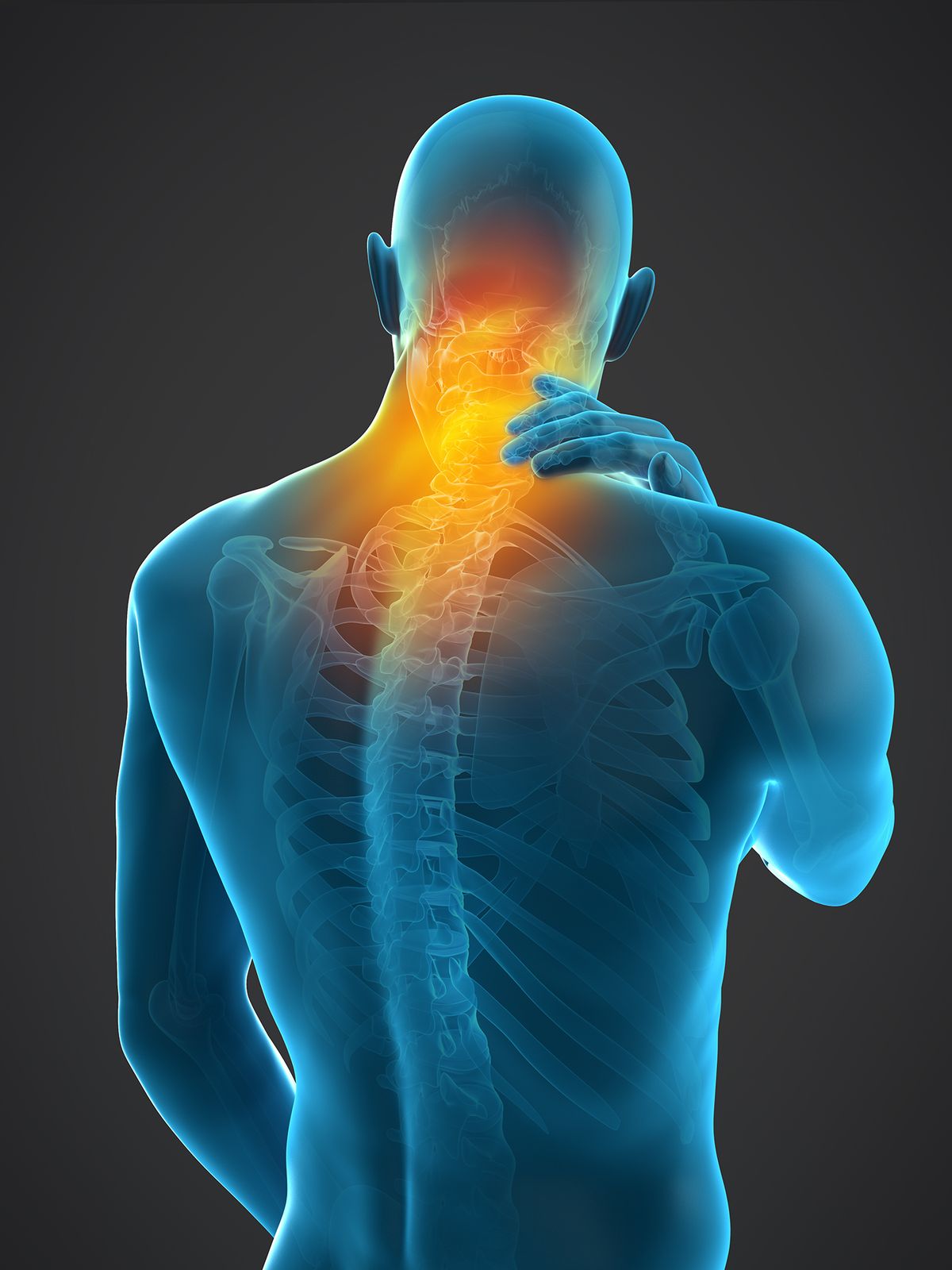
Common Signs
- Severe neck pain after injury
- Restricted neck movement
- Swelling or tenderness in the neck
- Numbness or tingling in the arms or legs
- Weakness or difficulty moving limbs
- Balance or coordination problems
Possible Reasons
- Road traffic accidents
- Falls from height
- Sports-related injuries
- Sudden impact or trauma to the neck
- Workplace accidents
- High-impact physical injuries

How We Find the Cause
Early diagnosis is important to identify fractures, reduced spine support, and possible nerve or spinal cord injury.
- Emergency doctor's check-up after injury
- Neurological examination for nerve function
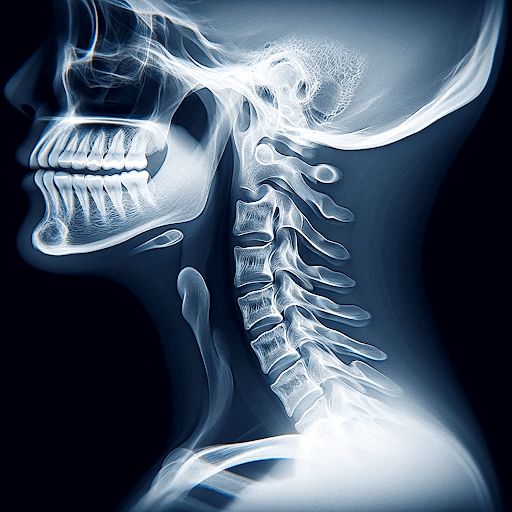
- X-rays to evaluate spinal alignment and fractures
- CT scan for detailed bone injury check-up
- MRI to check spinal cord and soft tissue damage
Treatment Options
Treatment depends on injury severity, spine strength and support, nerve-related symptoms, and overall patient condition.
- Emergency neck immobilization and protection
- Pain relief care and supportive care
- Use of cervical collars or braces in selected cases
- Monitoring for nerve-related symptoms
- Physiotherapy and rehabilitation
- Movement and balance recovery exercises
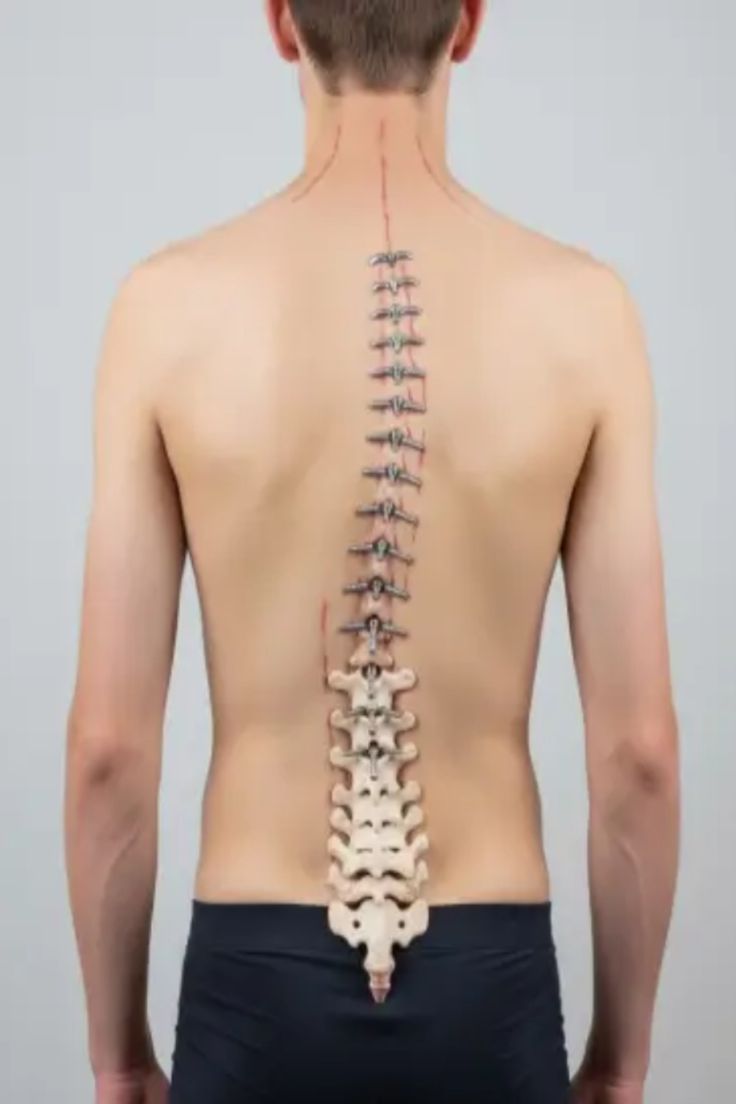
- Surgical spine support for unstable injuries when needed
When is surgery needed?
Surgery may be required when fractures are unstable, joints are displaced, spinal alignment is affected, or there is pressure on the spinal cord or nerves. The aim is to stabilize the spine and protect nerve function.
Who is at risk?
- People involved in road accidents
- Workers in high-risk physical jobs
- Sports players involved in contact sports
- Older adults prone to falls
- Individuals exposed to high-impact injuries
- Patients with previous spine weakness or trauma
Why timely treatment matters
Delayed treatment after a cervical spine injury may increase the risk of reduced spine support, worsening pain, or nerve-related complications. Early medical care helps improve safety, recovery, and long-term function.