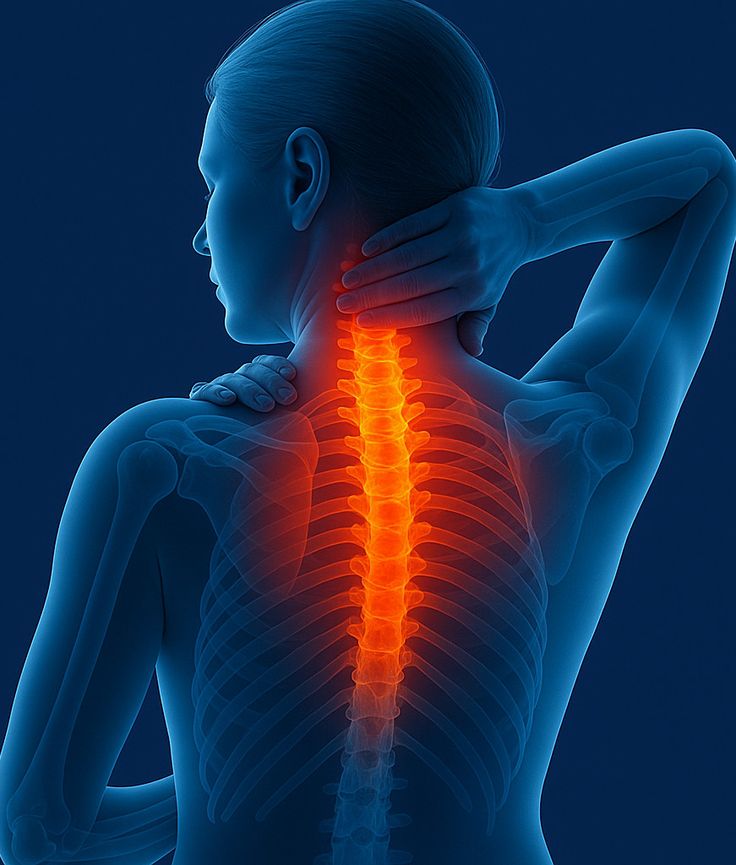
What are Cervical Spine Infections?
Cervical spine infections occur when bacteria, tuberculosis, or other infections affect the neck portion of the spine. The infection may involve the spinal bones, discs, joints, or nearby soft tissues.
In some cases, the infection can spread gradually and lead to pain, swelling, reduced spine support, or pressure on nearby nerves. Symptoms may worsen if treatment is delayed.
At Ahmedabad Spine Hospital, the focus is on early diagnosis, infection control, spine protection, and personalized recovery care based on the patient’s condition and overall health.


Persistent Neck Pain
Ongoing neck pain with stiffness may be linked to spinal infection.

Fever & Weakness
Fever, tiredness, or weakness may occur along with spinal infection symptoms.
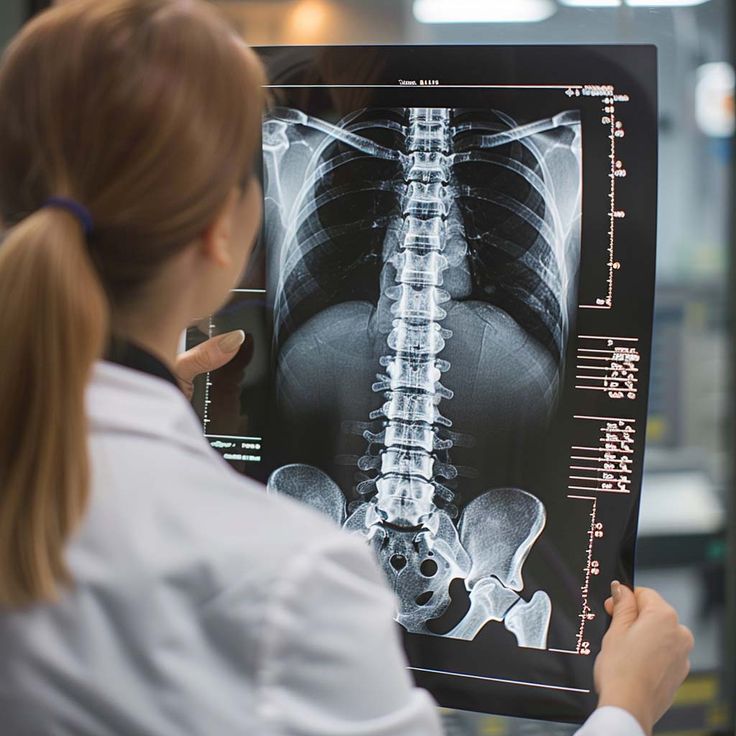
Careful Check-up
Scans and laboratory tests help identify the infection and affected area.

Recovery Support
Treatment focuses on infection control, healing, and improved daily function.
Common symptoms and causes of cervical spine infections
Symptoms may appear gradually and can vary depending on the severity of infection and whether nerves are affected.
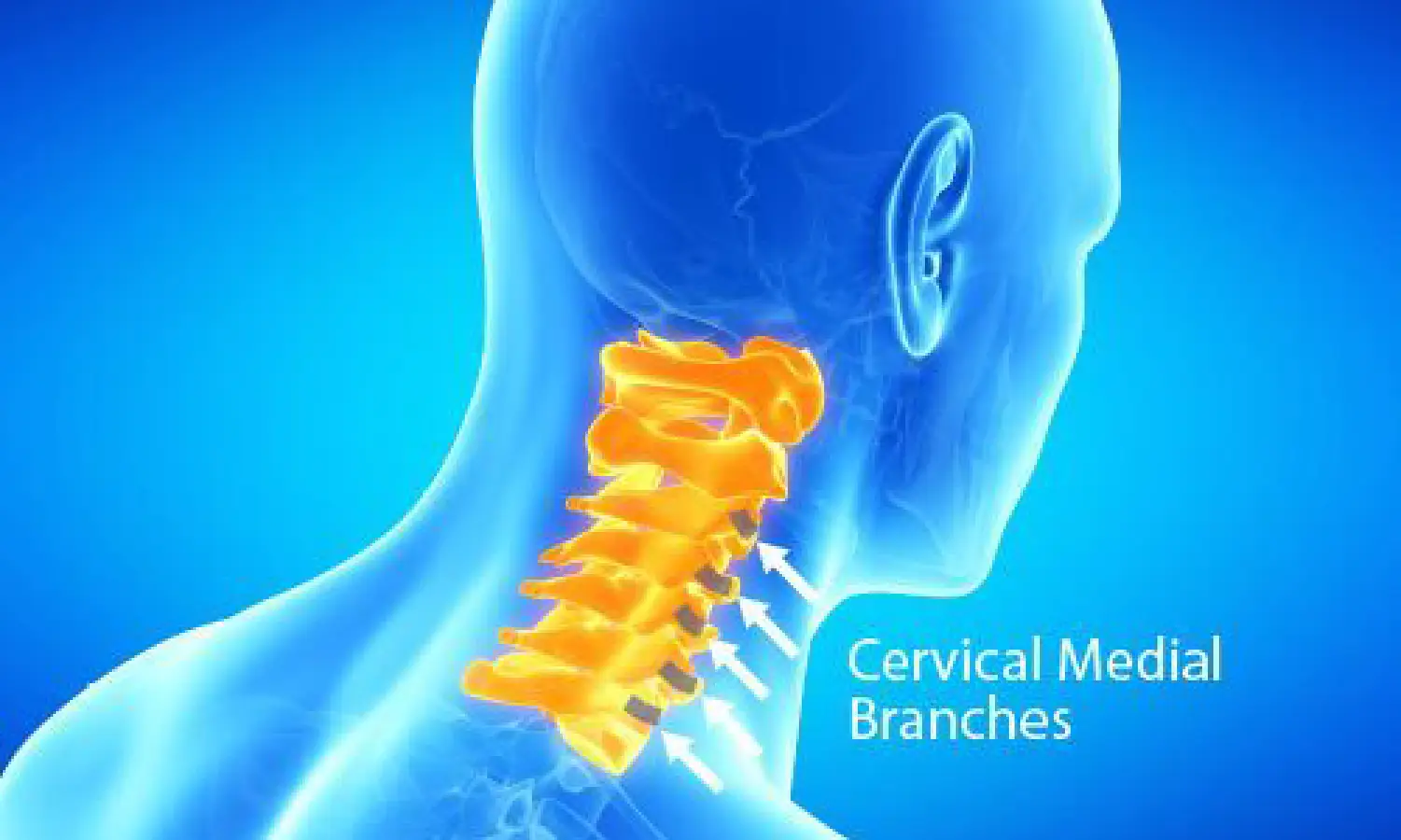
Common Signs
- Persistent neck pain and stiffness
- Fever or chills
- Weakness or fatigue
- Difficulty moving the neck comfortably
- Numbness or weakness in the arms
- Unexplained weight loss in some cases
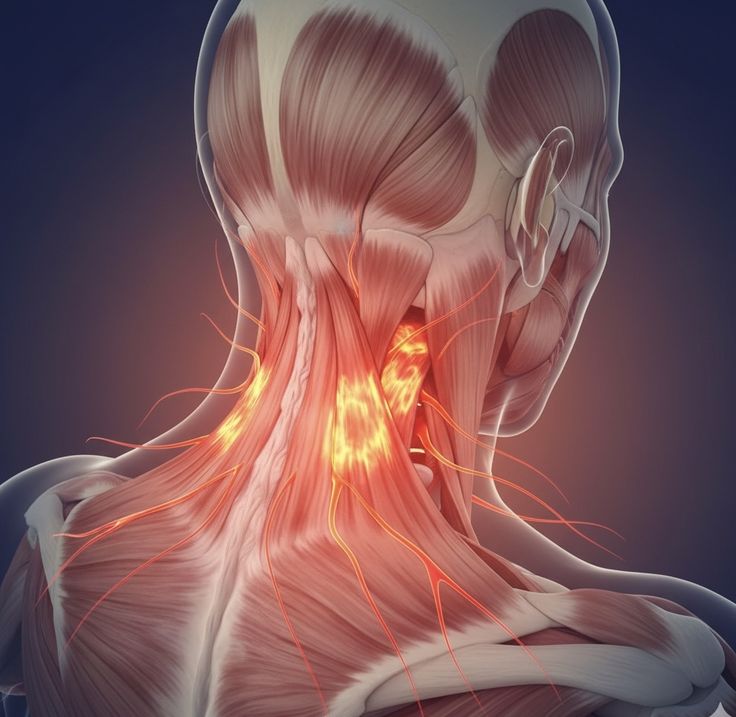
Possible Reasons
- Bacterial infection affecting the spine
- Spinal tuberculosis infection
- Weak immune system or chronic illness
- Spread of infection from another body area
- Previous surgery or invasive procedures
- Long-standing untreated infections

How We Find the Cause
Finding the cause focuses on identifying the infection source, assessing spine strength and support, and checking for nerve involvement.
- Doctor review of symptoms and medical history
- Blood tests to check signs of infection
- MRI scan to identify infected spinal areas
- CT scan or X-rays to assess bone involvement
- Additional laboratory tests when required
Treatment Options
Treatment depends on the type of infection, severity of symptoms, spine strength and support, and the patient’s overall condition.
- Medication to control infection and inflammation
- Targeted antibiotic or anti-tuberculosis treatment
- Pain relief care and supportive care
- Neck support or immobilization in selected cases
- Nutritional and recovery support
- Physiotherapy after infection control improves
- Surgery for severe reduced spine support or pressure on a nerve


When is surgery needed?
Surgery may be considered when infection causes reduced spine support, severe pressure on a nerve, abscess formation, or progressive weakness. The goal is to remove infected tissue, relieve pressure, and stabilize the spine.
Who is at risk?
- Patients with weakened immunity
- People with diabetes or chronic illness
- Individuals with tuberculosis exposure
- Patients recovering from recent infections
- Older adults with reduced immunity
- People with previous spinal procedures or surgery
Why timely treatment matters
Delayed treatment may allow infection to spread further, increase pain, weaken spine strength and support, or affect nearby nerves. Finding the problem early and proper care improve recovery and help prevent complications.