What is Radiculopathy?
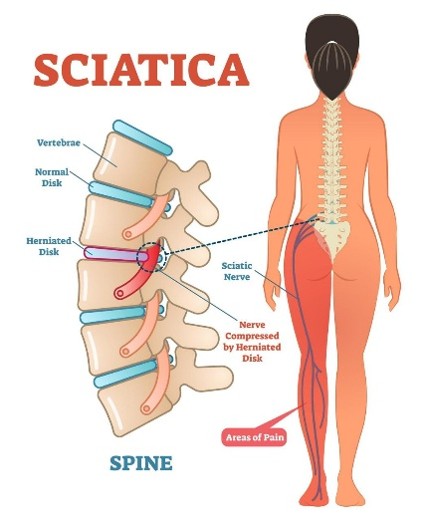
Radiculopathy, commonly known as a compressed or "pinched nerve," occurs when a nerve root leaving the spinal cord becomes squeezed, inflamed, or irritated. This condition can affect anyone, leading to neurological discomfort that spreads far beyond the spine itself.
Radiculopathy, commonly known as a compressed or "pinched nerve," occurs when a nerve root leaving the spinal cord becomes squeezed, inflamed, or irritated. This condition can affect anyone, leading to neurological discomfort that spreads far beyond the spine itself.
At Ahmedabad Spine Hospital, treatment focuses on relieving localized nerve pressure, managing radiating pain effectively, and helping patients regain their strength and independence with personalized spine care.
Radiating Pain
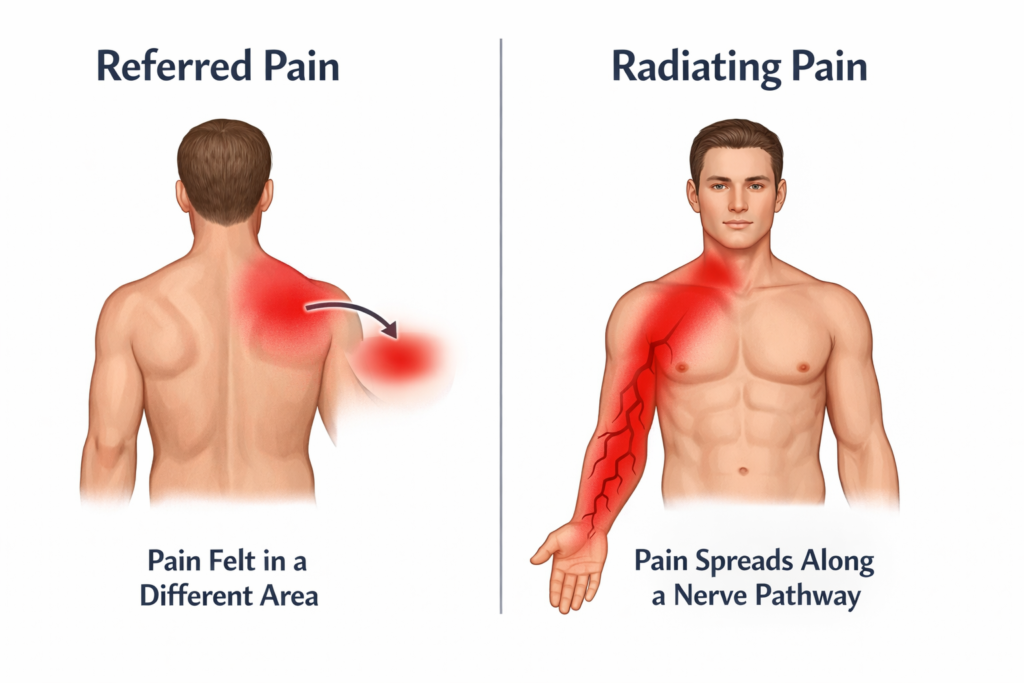
Sharp, shooting, or electric shock-like pain that travels down your arm or leg.
Numbness & Tingling
A persistent "pins and needles" sensation or localized loss of feeling along the nerve path.
Precision Diagnosis
Advanced MRI scans and EMG studies to accurately pinpoint the compressed spinal nerve root.
Targeted Recovery
Specialised physical therapy and nerve decompression care to reverse muscle weakness.
Common signs and causes of radiculopathy
Radiculopathy symptoms typically manifest along the specific pathway of a compressed spinal nerve. The resulting discomfort can range from a dull, persistent ache to sharp flare-ups that worsen with sudden movements, poor posture, or prolonged sitting.

Common Signs
- Sharp, shooting, or electric shock-like radiating pain
- Numbness or a persistent "pins and needles" sensation
- Muscle weakness in the arm, hand, leg, or foot
- Diminished reflexes in the affected upper or lower limbs
- Burning sensations that travel away from the spine
- Worsening pain with specific neck or lower back movements

Possible Reasons
- Herniated or bulging discs pressing against nerve roots
- Bone spurs (osteophytes) narrowing the neural openings
- Spinal stenosis causing generalized canal narrowing
- Degenerative disc disease reducing spaces between vertebrae
- Spondylolisthesis where a vertebra slips out of position
- Repetitive spinal stress or sudden traumatic back injuries

How We Find the Cause
Finding the cause includes understanding your radiation patterns, mapping nerve pathways, checking motor responses, and identifying the exact spinal root source of radiculopathy.
- Comprehensive neurological examination to evaluate muscle power, skin sensation, and reflexes
- Spinal range of motion testing and nerve tension maneuvers (like the Straight Leg Raise or Spurling's test)
- Advanced MRI scans to check for herniated discs, spinal stenosis, or compressed nerve roots
- CT scans or CT myelography to visualize bony structures and narrowing of the neural foramen
- Electromyography (EMG) and Nerve Conduction Studies to assess active nerve damage and muscle function
Treatment Options
Most radiculopathy cases respond successfully to dedicated conservative care. Your treatment path relies entirely on symptom duration, muscle strength stability, and daily functional impact.
- Targeted medications including NSAIDs, muscle relaxants, oral steroids, or nerve pain modulators
- Specialized physical therapy focused on spinal decompression, posture mechanics, and core stability
- Manual traction therapies to gently open up compressed neural pathways
- Epidural steroid injections directed precisely into the spine to alleviate severe nerve inflammation
- Activity modification, ergonomic counseling, and specific stretching routines to protect your back
- Advanced pain management protocols to interrupt chronic sensory irritation
- Surgical decompression (such as microdiscectomy or laminectomy) if weakness progresses or pain persists
When is surgery needed?
Surgery may be advised if severe radiating pain does not improve with conservative care, or if you experience worsening neurological signs like progressive muscle weakness or numbness. Procedures such as a microdiscectomy, laminectomy, or artificial disc replacement aim to relieve pressure on the compressed nerve root, protect neurological function, and eliminate radiating pain.
Who is at risk?
- Individuals experiencing age-related spinal wear or degenerative disc changes
- People whose occupations involve repetitive spine straining, heavy lifting, or poor posture
- Individuals with a history of acute spinal trauma, sports injuries, or whiplash
- People with structural spinal conditions like spondylolisthesis or narrowing spinal canals
- Individuals carrying excess body weight that places sustained, repetitive stress on the lumbar spine
- Sedentary professionals subject to prolonged sitting without proper ergonomic lumbar support
Why timely treatment matters
Ignoring persistent radiating nerve pain, tingling, or weakness can lead to chronic nerve damage and permanent muscle atrophy. Seeking early clinical evaluation helps target the specific source of compression, manages acute inflammatory nerve irritation before it worsens, and protects your motor control to secure your long-term mobility.
