What is Neck Slipped Disc & Arm Pain?
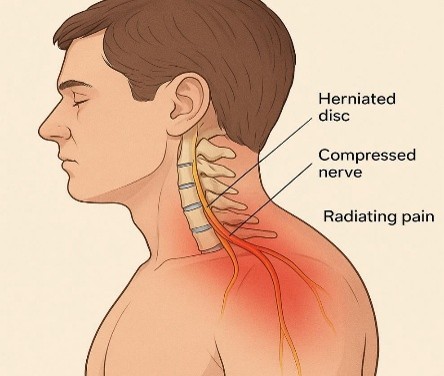
The neck contains discs between the spinal bones that help absorb movement and pressure. When one of these discs becomes damaged or bulges outward, it may irritate nearby nerves.
This pressure on the nerves can cause neck pain along with symptoms travelling into the shoulder, arm, or fingers. Brachalgia refers to nerve-related arm pain that often develops because of problems in the neck.
At Ahmedabad Spine Hospital, treatment is focused on identifying the exact source of nerve irritation and helping patients recover with safe, personalized spine care.

Neck Pain
Disc problems in the neck can cause stiffness, discomfort, and restricted movement.

Arm Pain & Tingling
Nerve pressure may cause pain, tingling, or numbness travelling into the arm.

Detailed Check-up
Careful check-up helps identify the affected disc and nerve involvement.
Comfort & Recovery
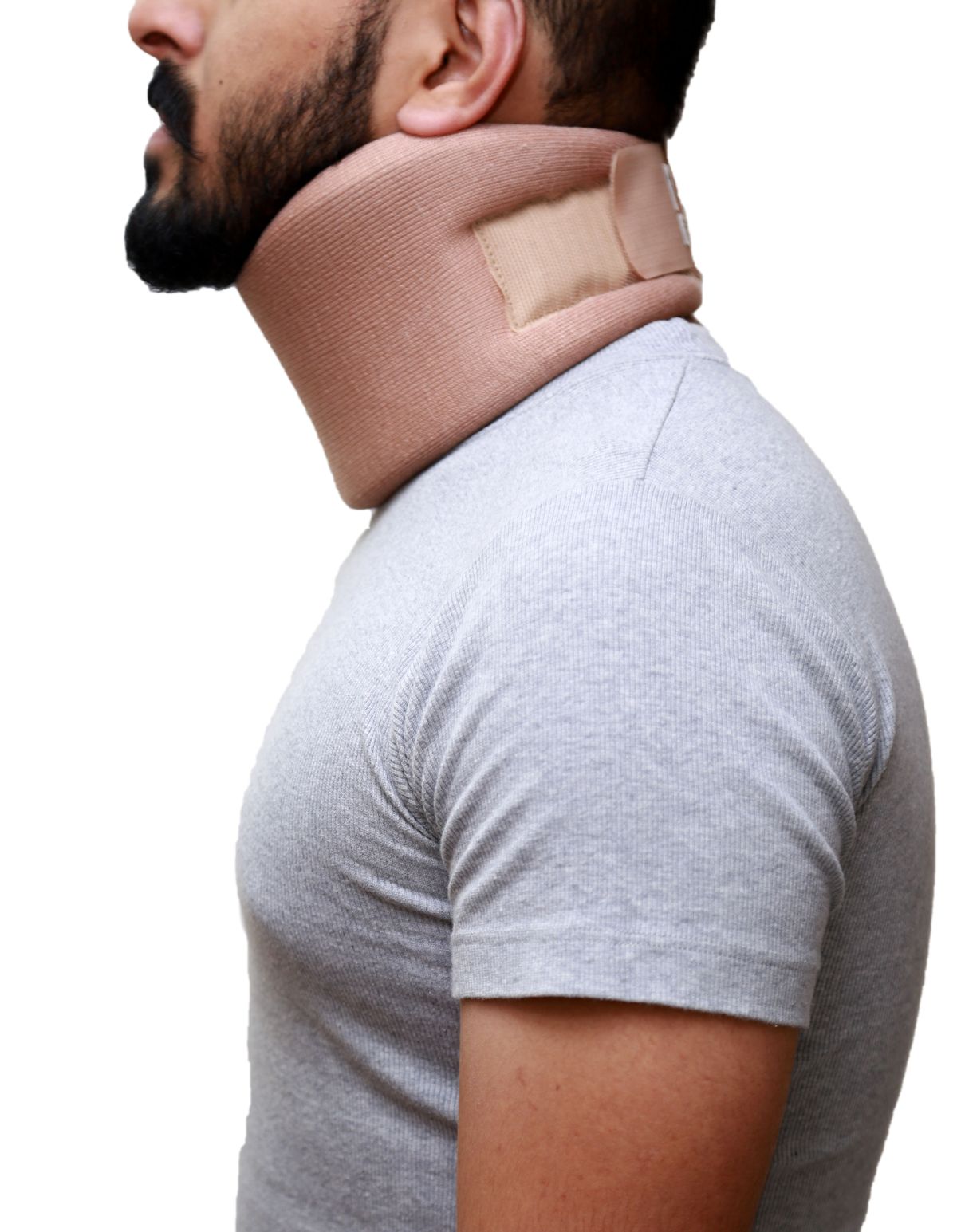
Treatment aims to improve neck comfort and restore arm function safely.
Common symptoms and causes of cervical pressure on a nerve
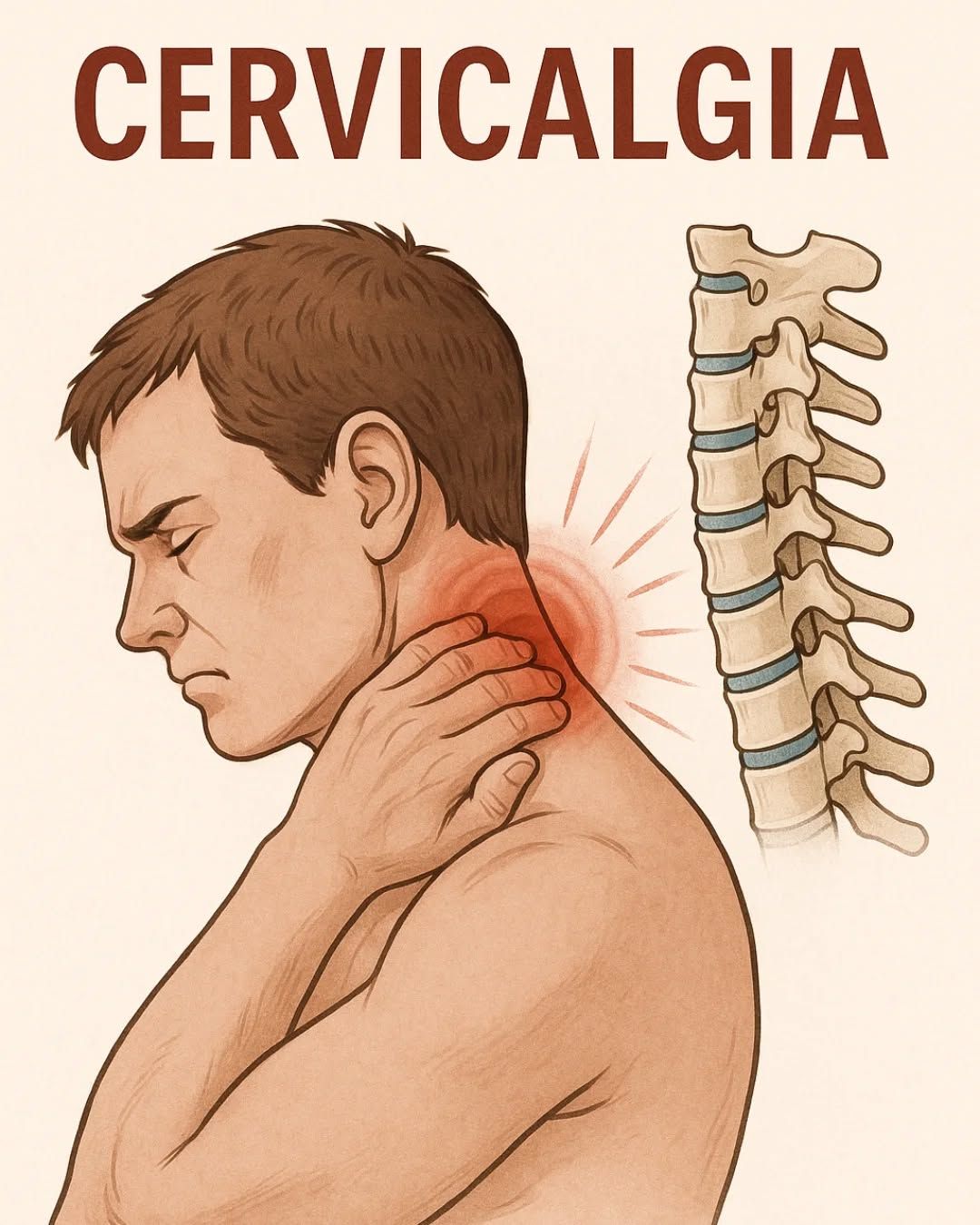
Symptoms may start gradually or suddenly and often become worse during long sitting hours, computer work, looking down, or poor neck posture.
Common Signs
- Neck pain and stiffness
- Pain travelling into the shoulder or arm
- Tingling or numbness in the fingers
- Burning or electric shock-like sensation
- Weakness in the arm or grip strength
- Difficulty with neck movement

Possible Reasons
- Cervical slipped or herniated disc
- Age-related wear and tear in the neck
- Poor posture during desk or mobile use
- Long working hours in one position
- Sudden neck strain or injury
- Narrowing around cervical nerves

How We Find the Cause
Finding the cause involves understanding your symptoms, checking neck movement, and evaluating nerve function in the shoulder, arm, and hand.
- Clinical examination of neck and arm symptoms
- Muscle strength check-up and reflexes
- MRI scan to evaluate discs and nerve pressure
- X-rays to assess cervical spine alignment
- Additional nerve-related tests in selected cases
Treatment Options
Treatment is planned according to pain severity, nerve involvement, daily activity difficulty, and overall neck function.
- Medication for pain and nerve irritation relief
- Physiotherapy and neck movement exercises
- Posture correction and ergonomic guidance
- Activity modification for neck strain reduction
- Muscle strengthening and rehabilitation exercises
- Pain relief care support when needed
- Surgery in severe pressure on a nerve cases

When is surgery needed?
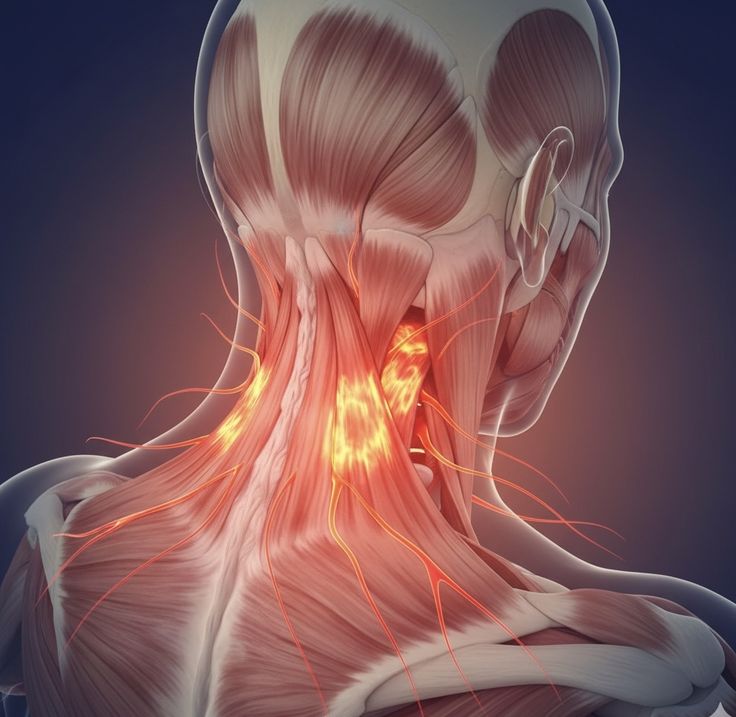
Surgery may be considered if severe arm pain, numbness, or weakness does not improve with treatment, or when pressure on a nerve affects daily activities and arm function significantly.
Who is at risk?
- Office workers with long computer use
- People with poor neck posture habits
- Adults with age-related cervical degeneration
- People doing repetitive neck movements
- Patients with previous neck injuries
- Individuals with long-standing neck pain
Why timely treatment matters
Ignoring neck pain or arm symptoms may gradually affect strength, movement, and daily activities. Early treatment can help reduce nerve pressure, improve comfort, and support better long-term recovery.