What is Canal Spine Stenosis?
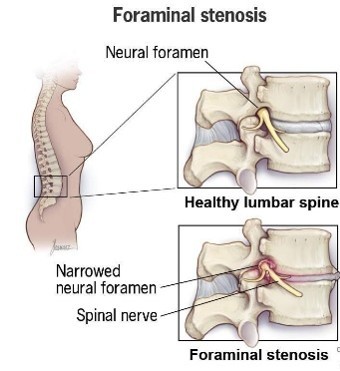
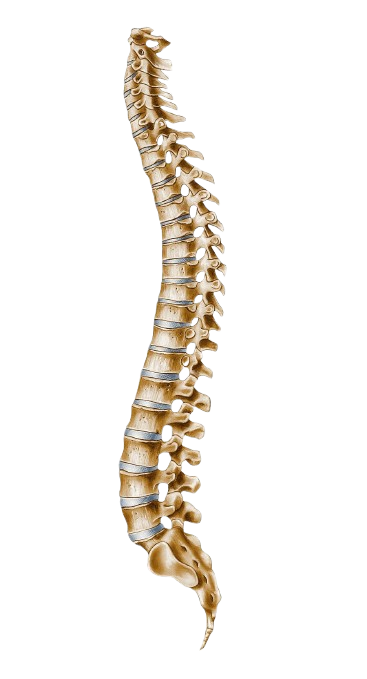
The spinal canal is the pathway inside the spine that protects the spinal cord and nerves. In canal spine stenosis, this space gradually becomes narrow due to changes in the spine structure.
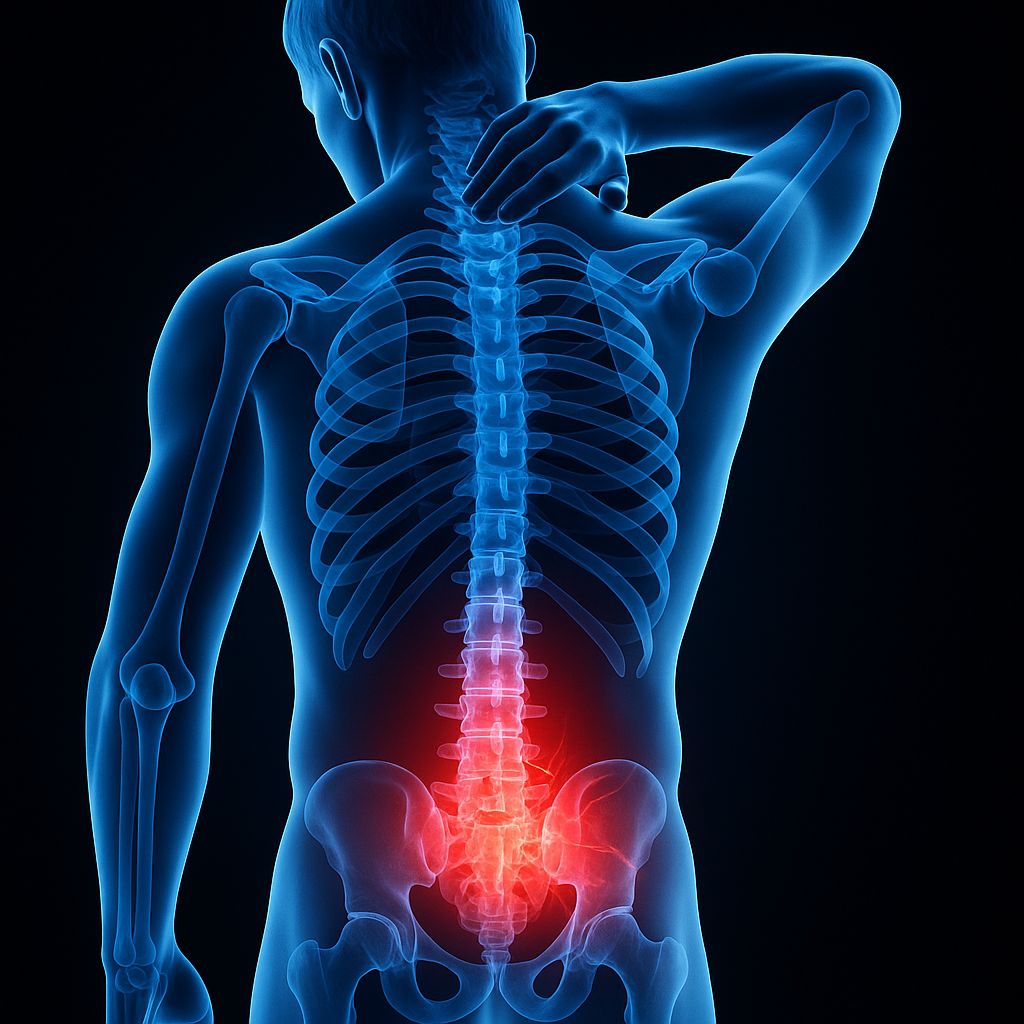
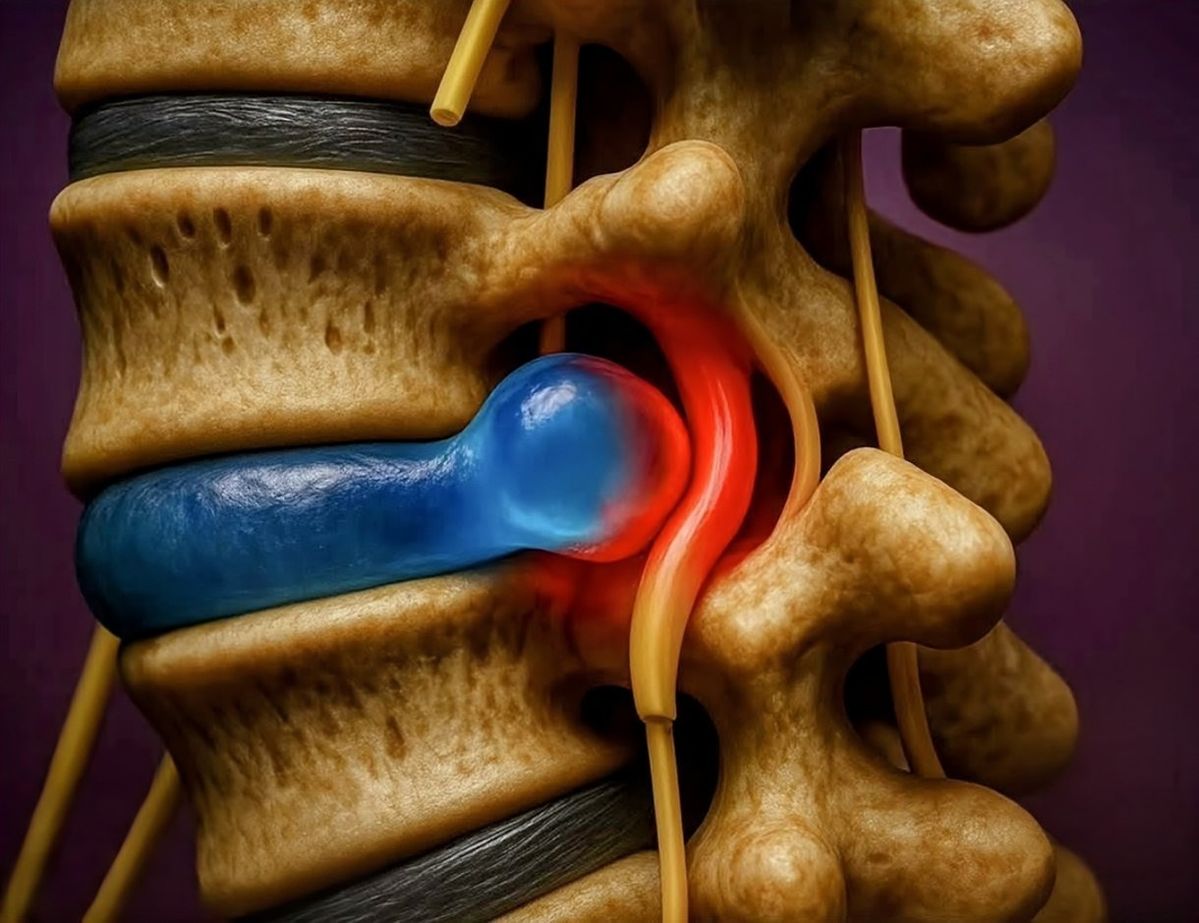
As the canal narrows, pressure may develop on the spinal cord or nerves, leading to symptoms such as pain, heaviness, tingling, weakness, difficulty walking, or balance problems.
At Ahmedabad Spine Hospital, the goal is to identify the exact area of compression and provide personalized treatment focused on improving comfort, stability, and day-to-day function.
Nerve Compression
Narrowing in the spine may place pressure on nerves or the spinal cord.

Balance & Walking Issues
Some patients experience heaviness, imbalance, or difficulty while walking.

Careful Check-up
Scans and clinical check-up help locate the exact area of narrowing.
Movement Support
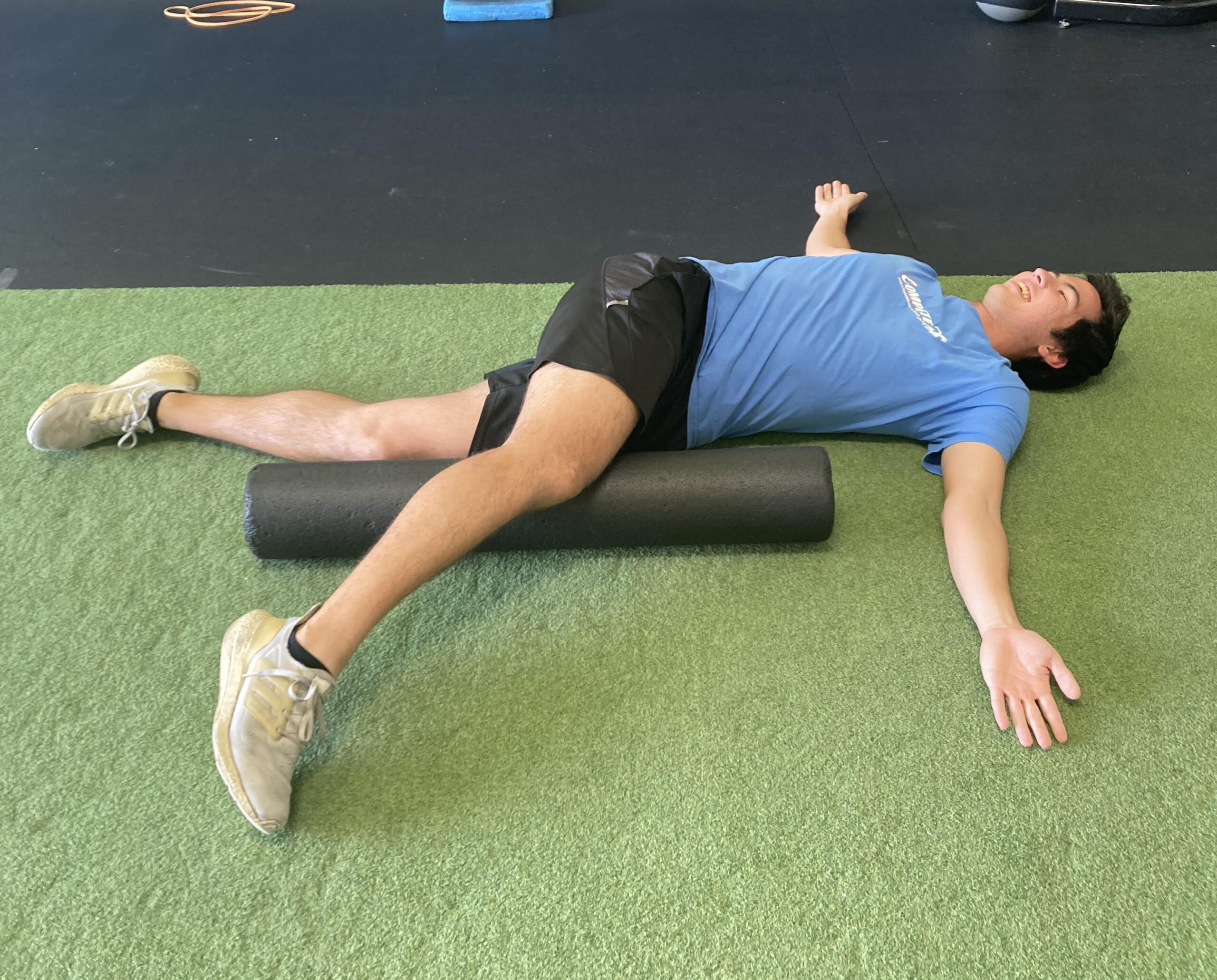
Treatment aims to improve movement, confidence, and daily comfort.
Symptoms and possible causes of narrowing inside the spine
Symptoms often develop gradually and may increase over time, especially during prolonged standing, walking, or physical activity.
Common Signs
- Neck or lower back pain
- Numbness or tingling in the arms or legs
- Muscle weakness or heaviness
- Difficulty walking long distances
- Balance or coordination problems
- Reduced flexibility and movement
Possible Reasons
- Age-related spine degeneration
- Disc bulging or disc damage
- Thickening of ligaments around the spine
- Arthritis and joint enlargement
- Bone overgrowth inside the spinal canal
- Previous spine injury or surgery

How We Find the Cause
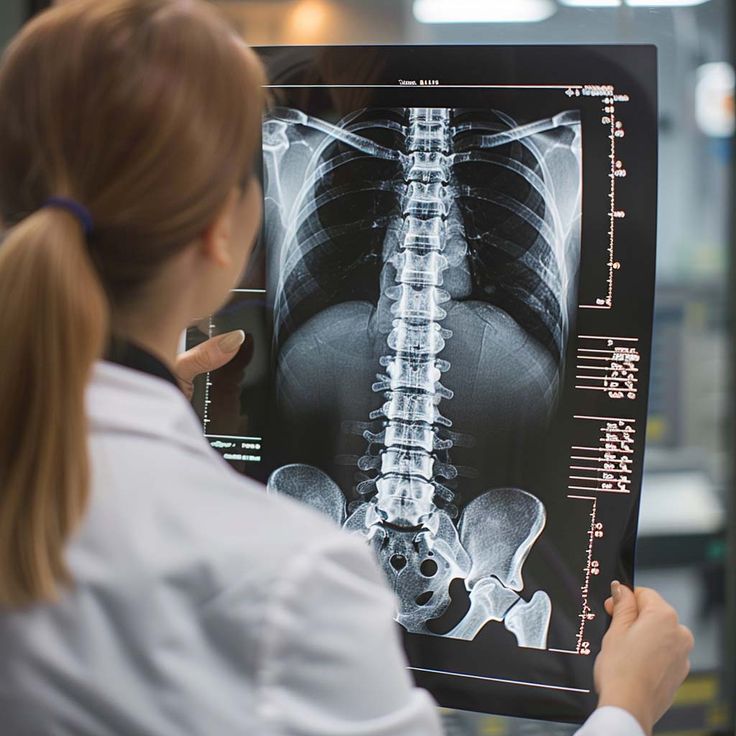
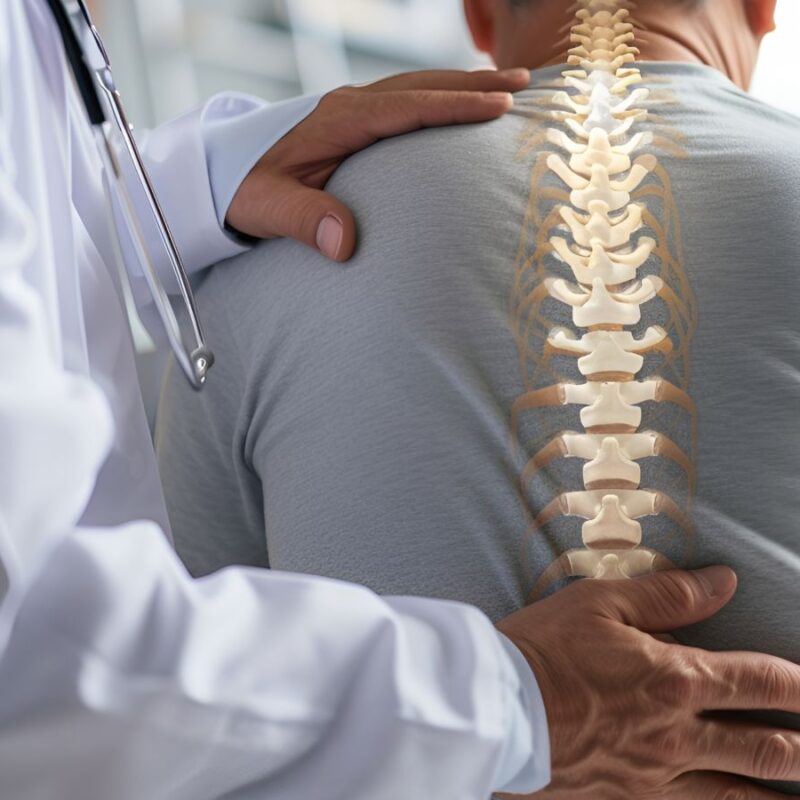
Finding the cause includes doctor's check-up, balance review and nerve function, and scans to identify narrowing inside the spine and pressure on a nerve.
- Detailed review of symptoms and movement problems
- Nerve strength and sensation check-up
- MRI scan to evaluate narrowing inside the spine
- X-rays to assess spine structure and alignment
- Additional testing in selected complex cases
Treatment Options
Treatment depends on the location of stenosis, symptom severity, nerve involvement, and the patient’s movement needs.
- Medication to reduce pain and inflammation
- Physiotherapy and rehabilitation exercises
- Posture improvement and movement training
- Strengthening exercises for better support and balance
- Activity modification to reduce strain on the spine
- Pain relief care support in selected patients
- Surgery for severe pressure on a nerve cases
When is surgery needed?
Surgery may be recommended if nerve pressure causes severe weakness, major walking difficulty, balance problems, or symptoms that continue despite non-surgery.
Who is at risk?
- Older adults with spine degeneration
- People with long-standing back or neck pain
- Individuals with arthritis-related spine changes
- People doing repetitive heavy physical work
- Patients with previous spine injuries
- Individuals with poor posture and weak muscles
Why timely treatment matters
Ignoring symptoms may gradually affect walking ability, balance, and nerve function. Early treatment can help reduce discomfort, improve movement, and prevent worsening nerve-related complications.