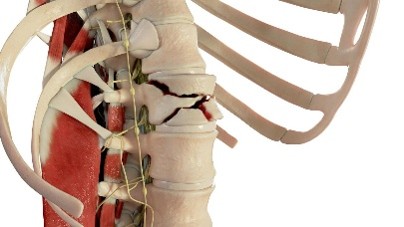
What is Mid-Back Spinal Cord Pressure?
The thoracic spine is the middle portion of the spine connected to the rib cage. Thoracic myelopathy develops when pressure affects the spinal cord in this region.
Because the spinal cord controls movement and sensation, pressure in this area may cause weakness, walking difficulty, stiffness, balance problems, or numbness in the lower body.
At Ahmedabad Spine Hospital, the doctor checks for the exact cause of spinal cord pressure and planning treatment that supports safer movement, stability, and long-term function.
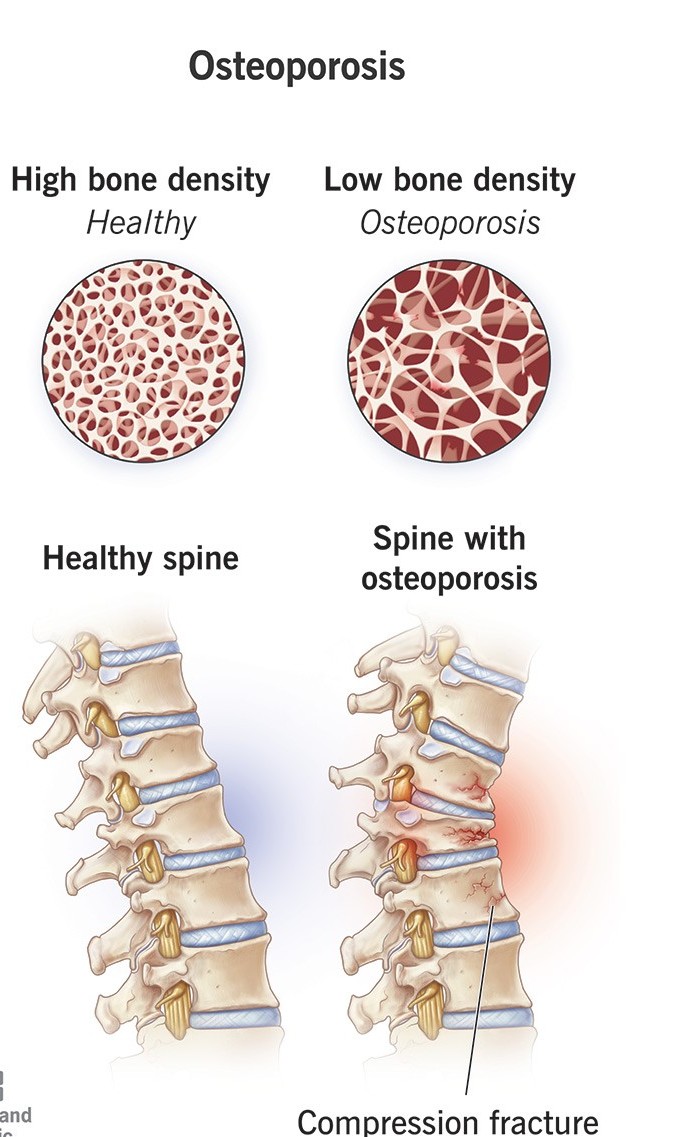
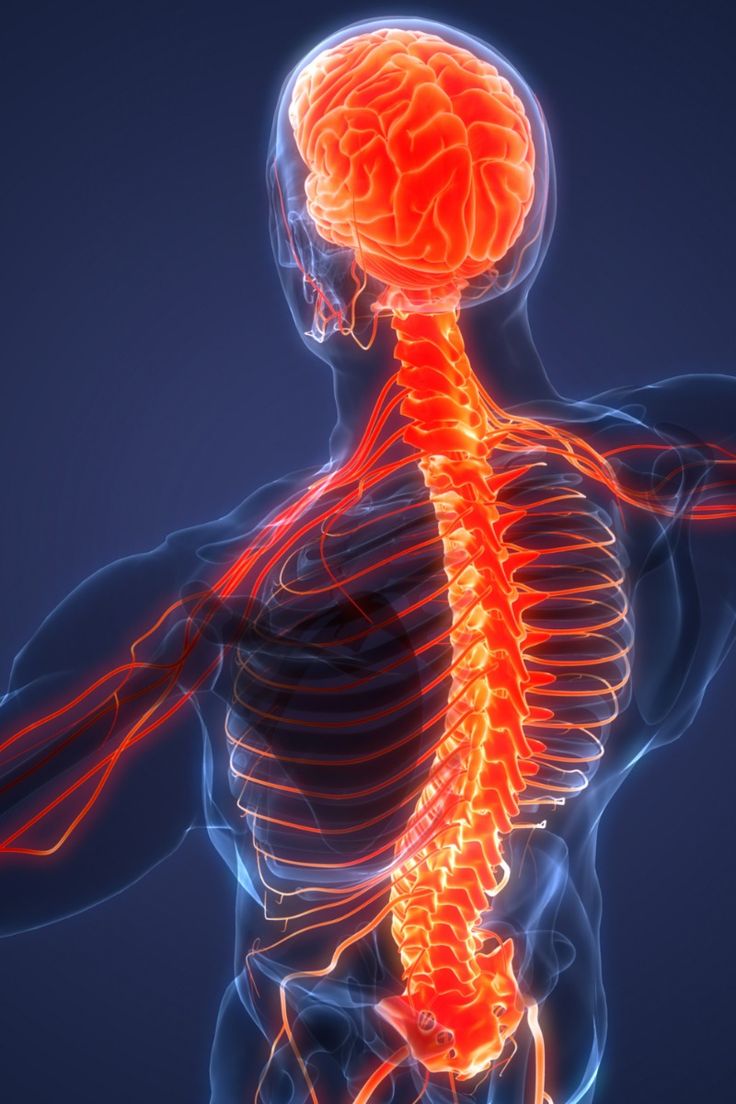
Spinal Cord Pressure
Compression in the thoracic spine can affect nerve signals and movement.

Balance Problems
Patients may experience unsteady walking or stiffness in the legs.

Advanced Scans
MRI scans help identify pressure on the spinal cord and related changes.

Movement Support
Rehabilitation focuses on improving movement and daily activity support.
Common signs and reasons for mid-back spinal cord pressure
Symptoms usually develop gradually and may worsen if spinal cord pressure increases.
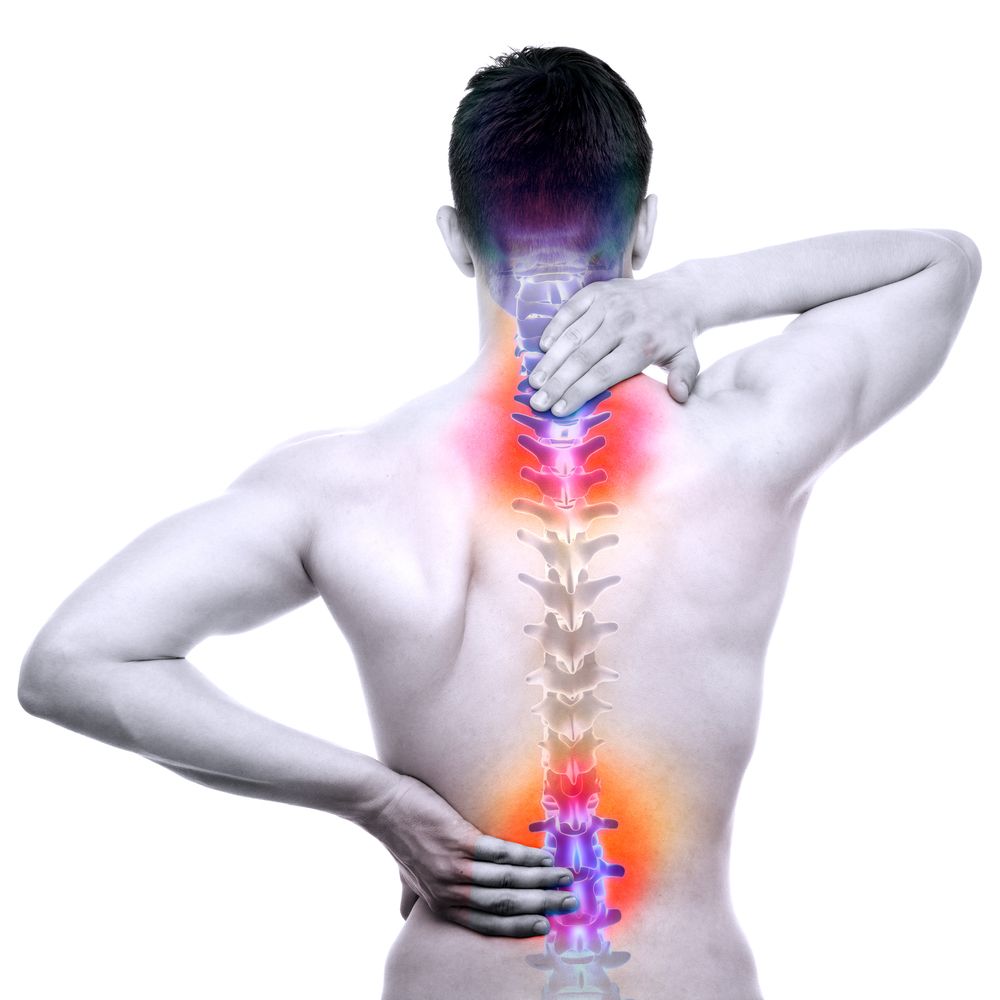
Common Signs
- Difficulty walking or maintaining balance
- Leg weakness or stiffness
- Numbness or tingling in the lower body
- Reduced coordination during movement
- Back discomfort in the thoracic region
- Difficulty performing routine physical activities
Possible Reasons
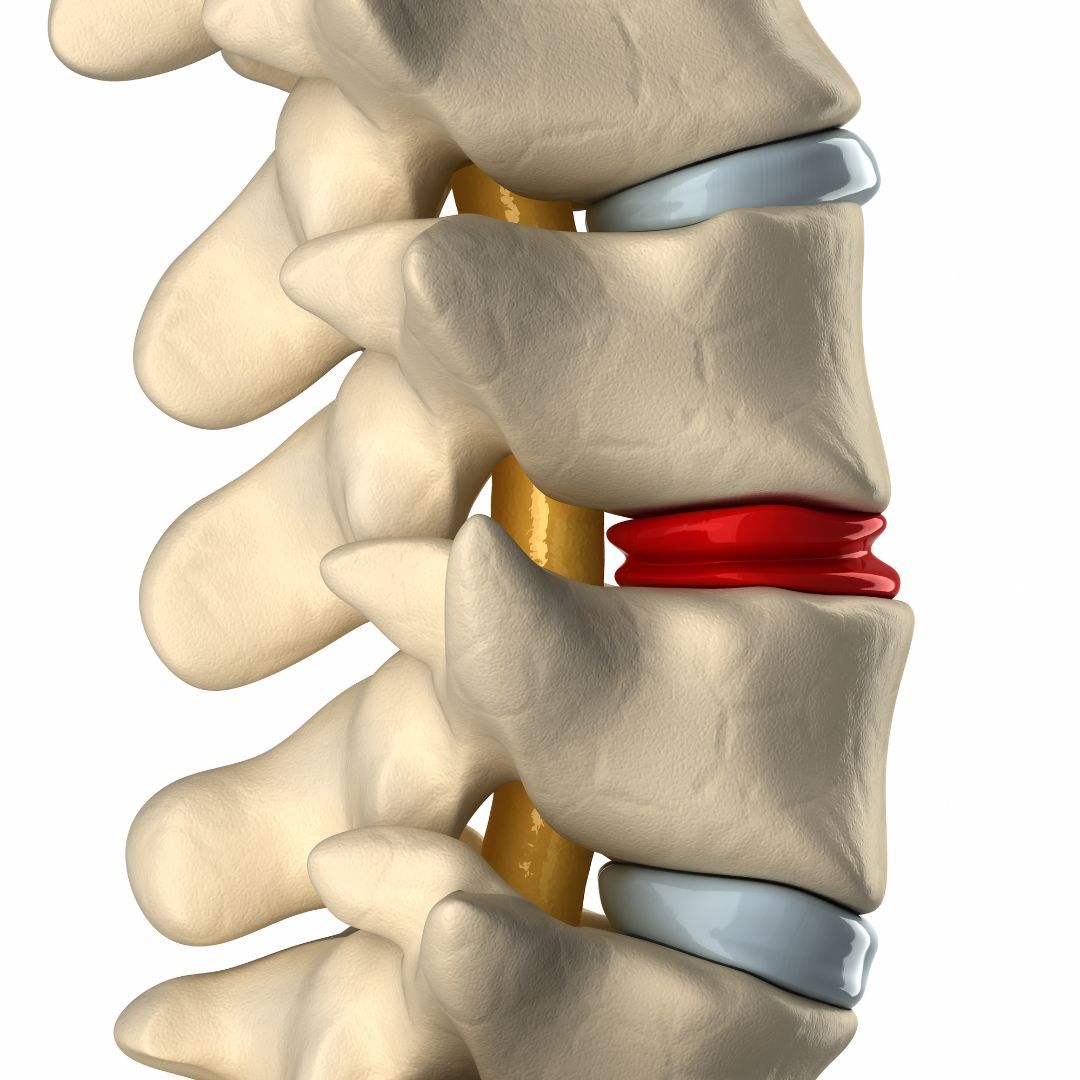
- Thoracic disc problems pressing on the spinal cord
- Narrowing inside the spine in the thoracic region
- Bone overgrowth or degenerative changes
- Spinal ligament thickening
- Previous spine injury or trauma
- Spinal tumors or infections in some cases

How We Find the Cause
A proper check-up helps determine the level of pressure on the spinal cord and the cause behind the symptoms.
- Detailed nerve and movement check-up
- Walking balance and leg strength check-up
- MRI scan for spinal cord check-up
- CT scan or X-rays for spinal structure check-up
- Additional testing when symptoms are complex
Treatment Options
Treatment planning depends on pressure on the spinal cord severity, walking difficulty, nerve-related symptoms, and the underlying spinal condition.
- Medication support for pain or discomfort
- Activity and posture guidance
- Physiotherapy and balance training
- Movement and strengthening exercises
- Regular nerve monitoring
- Rehabilitation support for daily function
- Surgery when pressure on the spinal cord becomes significant

When is surgery needed?
Surgery may be advised when pressure on the spinal cord causes increasing weakness, walking difficulty, balance problems, or progressive nerve-related symptoms. The aim is to reduce pressure on the spinal cord and improve stability and movement.
Who is at risk?
- Older adults with spinal degeneration
- People with thoracic disc conditions
- Patients with previous spine injuries
- Individuals with narrowing inside the spine
- People with long-term posture-related spinal stress
- Patients with spinal tumors or infections
Why timely treatment matters
Delayed treatment may allow pressure on the spinal cord to worsen, affecting walking ability, coordination, and daily independence. Early check-up helps support better recovery and long-term spinal function.