What is Rheumatoid Arthritis?
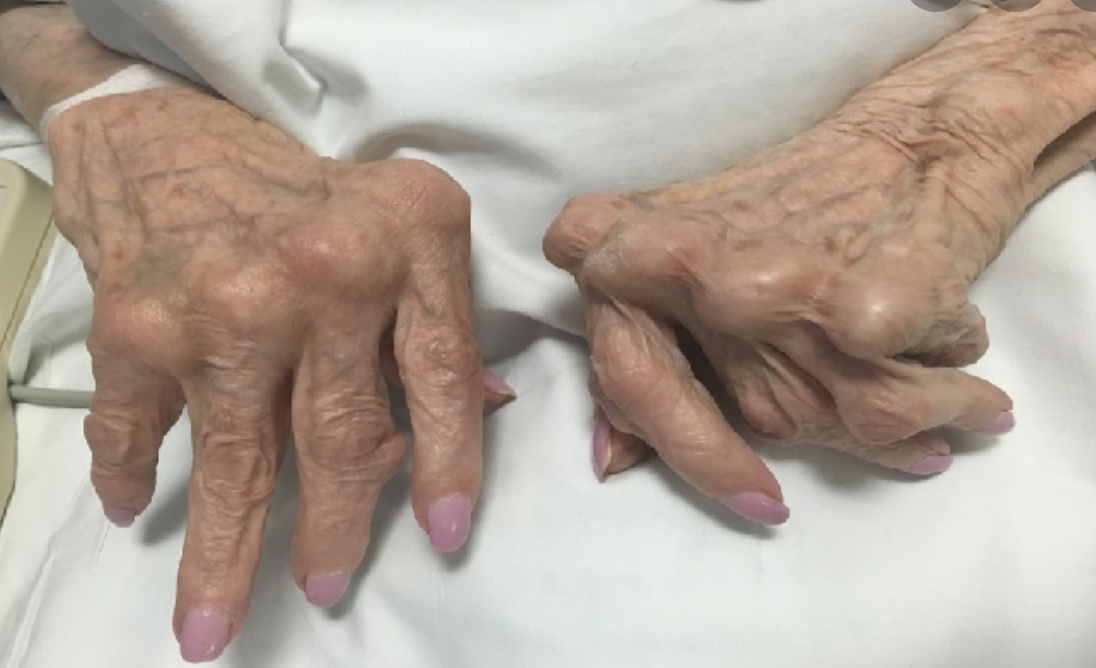
Rheumatoid Arthritis (RA) is a chronic autoimmune disease where the body's immune system mistakenly attacks the healthy lining of the joints (the synovium). Unlike wear-and-tear osteoarthritis, RA causes severe, systemic inflammation that can eventually lead to painful bone erosion and joint deformities.
When the joint lining becomes chronically inflamed, it thickens and destroys the cartilage and bone within the joint. This condition frequently impacts smaller joints in the hands and feet symmetrically, but can also severely affect weight-bearing areas like the knees, hips, and the facet joints of the spine.
At Ahmedabad Spine Hospital, treatment focuses on arresting disease progression, managing chronic systemic pain effectively, and helping patients protect long-term joint function with personalized rheumatology and medical care.

Symmetrical Pain
Persistent ache or throbbing pain felt symmetrically in the same joints on both sides of the body.

Morning Stiffness
Severe stiffness and swelling that locks the joints for more than 30 minutes after waking up.
Targeted Screening
Advanced blood tests (RF, anti-CCP) and high-resolution imaging to confirm autoimmune markers.
Joint Protection
Targeted DMARD therapies and physical support to preserve your mobility and stop structural damage.
Common signs and causes of rheumatoid arthritis
Rheumatoid Arthritis (RA) symptoms often fluctuate, cycling between intense periods of inflammation called flare-ups and temporary phases of remission. Pain and severe joint stiffness typically peak in the morning or after long periods of resting.

Common Signs
- Symmetrical pain and swelling affecting identical joints on both sides
- Severe, locking morning stiffness lasting longer than 30 minutes
- Visible joint swelling, redness, and a noticeable warm sensation
- Persistent fatigue, low-grade fever, and unexpected weight loss
- Development of firm rheumatoid nodules under the skin near joints
- Progressive loss of fine motor grip strength and hand mobility

Possible Reasons
- Autoimmune dysfunction where antibodies attack the synovium
- Genetic predisposition linked to specific HLA-DR4 genetic markers
- Environmental triggers like chronic cigarette smoking or infections
- Hormonal imbalances, as the condition is more prevalent in women
- An overactive, systemic inflammatory response spreading to vital organs
- Untreated joint lining inflammation leading to cartilage and bone erosion

How We Find the Cause
Accurately diagnosing Rheumatoid Arthritis relies on distinguishing autoimmune inflammation from mechanical wear and tear. Our medical team combines comprehensive lab work, precise joint mobility exams, and deep imaging scans to build a clear picture.
- Physical examination checking for symmetrical swelling, heat, and structural changes
- Targeted blood panels for Rheumatoid Factor (RF) and anti-CCP antibodies
- Inflammatory marker tracking via Erythrocyte Sedimentation Rate (ESR) and CRP tests
- High-resolution X-rays to assess early bone erosion and joint space narrowing
- Musculoskeletal ultrasound or MRI to evaluate active joint lining inflammation
Treatment Options
While Rheumatoid Arthritis requires targeted medical management to protect joints, our protocols prioritize non-invasive therapies, targeted disease mitigation, and active functional recovery to preserve long-term mobility.
- DMARDs (like Methotrexate) to suppress the overactive immune response
- Advanced Biologics or JAK inhibitors to block specific inflammatory pathways
- Short-term Corticosteroid therapies to quickly calm severe flare-ups
- Tailored physical therapy to preserve joint range of motion and muscle tone
- Joint-protection strategies and ergonomic assistive tool training
- Anti-inflammatory dietary guidance and lifestyle support to reduce stress
- Surgical consultation for joint replacement if severe joint damage occurs
When is surgery needed?
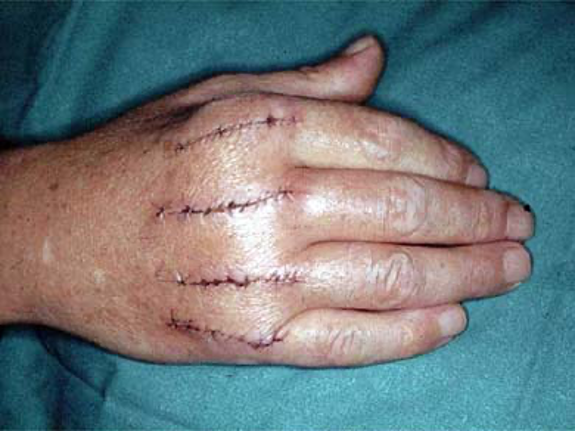
Surgery may be advised if aggressive Rheumatoid Arthritis does not respond to medical therapies, joint deformities worsen, or severe bone erosion limits daily life. Surgical options include a synovectomy to remove inflamed joint linings, tendon repairs, or total joint replacement (arthroplasty) to restore alignment and eradicate persistent pain.
Who is at risk?
- Individuals with a family history of RA or specific genetic markers like HLA-DR4
- Women, who are significantly more likely to develop this autoimmune condition
- Chronic cigarette smokers, which increases risk and worsens disease severity
- Adults between the ages of 40 and 60, though it can strike at any age
- People exposed to specific environmental triggers or chronic bacterial infections
- Individuals with pre-existing systemic inflammatory or metabolic imbalances
Why timely treatment matters
Delaying care for RA can allow uncontrolled autoimmune attacks to cause permanent bone erosion, joint misalignment, and structural deformities within the first few years. Early intervention with DMARDs protects the joint cartilage, minimizes systemic flare-ups, and prevents debilitating long-term lifestyle limitations.