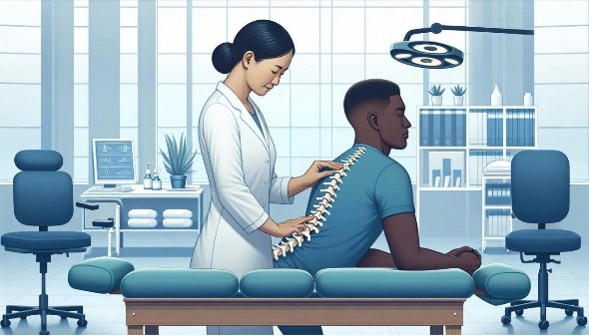
What is Degenerative Disc Disease?
The spine contains soft discs between the bones that act as cushions and help the back move smoothly. With aging and regular wear and tear, these discs may slowly dry out, become thinner, or lose their normal strength and flexibility.
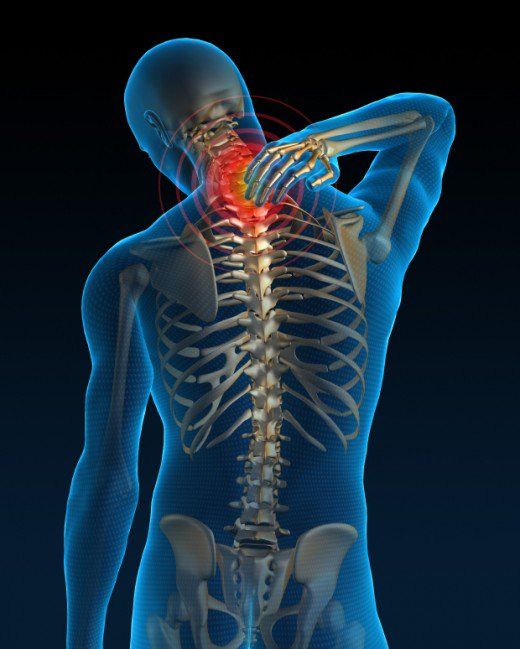
As the discs degenerate, they may cause pain, stiffness, reduced movement, or pressure on nearby nerves. Symptoms can affect the neck, middle back, or lower back, depending on the area involved.
At Ahmedabad Spine Hospital, treatment focuses on pain relief, improving movement, strengthening the spine, and helping patients return to daily activities comfortably.
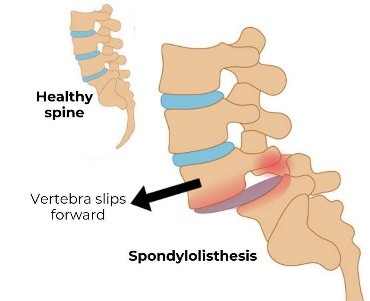
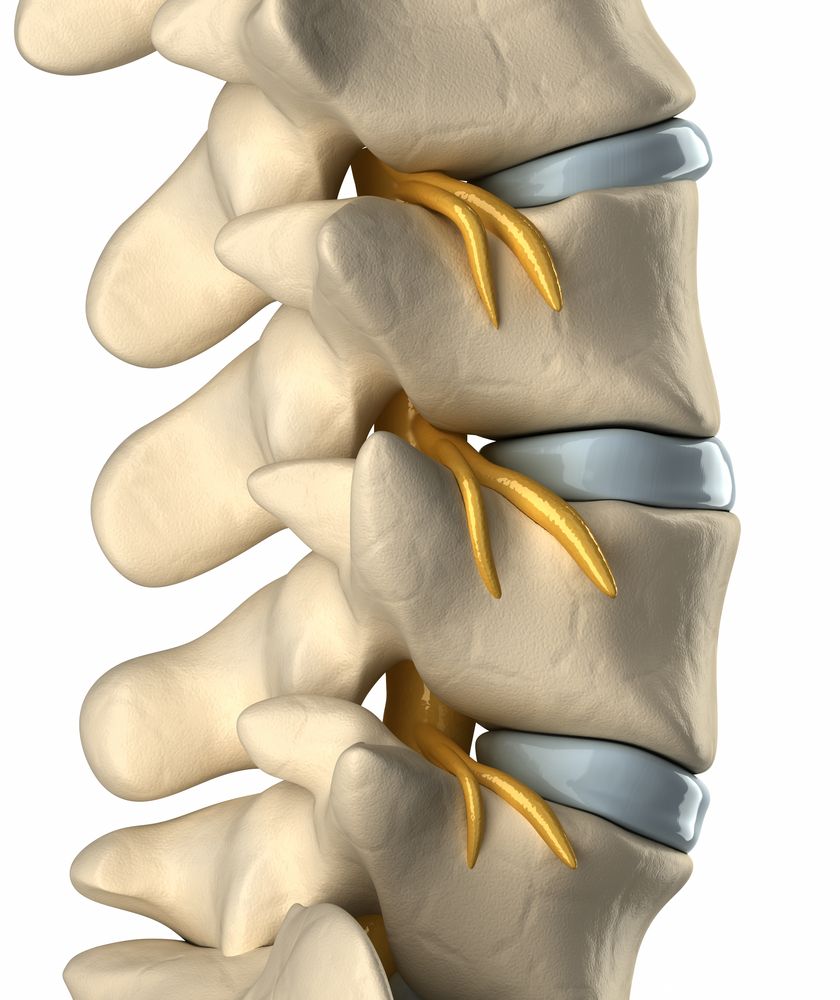
Disc Wear & Tear
Spinal discs may lose cushioning and flexibility over time.
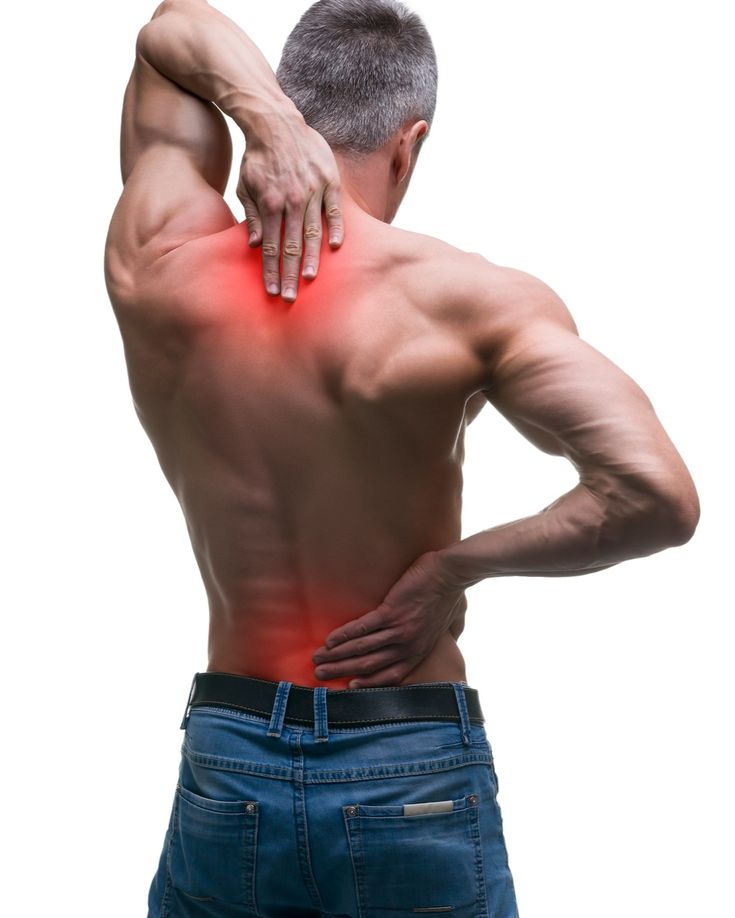
Pain & Stiffness
Patients may experience chronic back pain or neck discomfort.
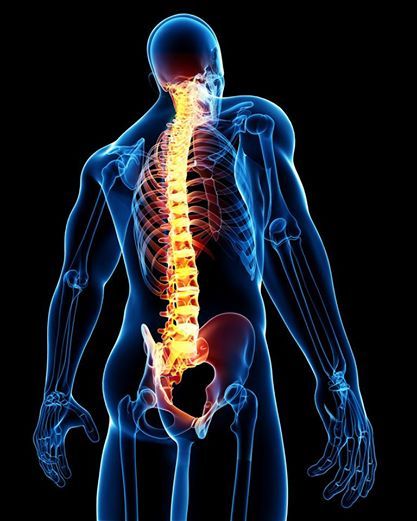
Spine Check-up
Scans helps assess disc condition and spinal alignment.

Movement Recovery
Rehabilitation supports flexibility, posture, and daily activity.
Common symptoms and causes of disc degeneration
Symptoms may gradually increase over time and can vary depending on the affected part of the spine.
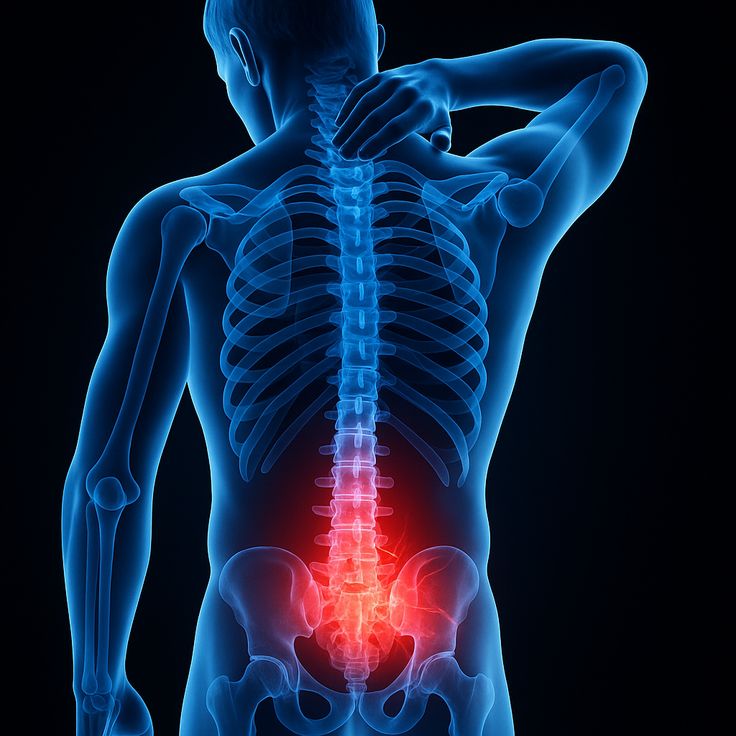
Common Signs
- Persistent back or neck pain
- Stiffness after sitting or resting
- Pain during bending or lifting
- Reduced flexibility and movement
- Muscle tightness or fatigue
- Numbness or tingling if nerves are affected

Possible Reasons
- Natural aging and disc wear
- Repeated strain on the spine
- Poor posture and long sitting hours
- Heavy lifting or physical work
- Previous spine injuries
- Weak muscles supporting the spine

How We Find the Cause
A proper check-up helps identify the affected discs, understand the cause of pain, and plan suitable treatment.
- Doctor review of pain and movement
- Posture and flexibility check-up
- X-rays to assess spine alignment
- MRI scan to evaluate discs and nerves
- Neurological examination if nerve symptoms are present
Treatment Options
Treatment depends on pain severity, movement difficulty, and the extent of disc degeneration.
- Medication for pain and inflammation
- Physiotherapy and guided exercises
- Posture correction and ergonomic advice
- Core strengthening exercises
- Activity modification support
- Pain relief care procedures in selected cases
- Surgical consultation when necessary
When is surgery needed?
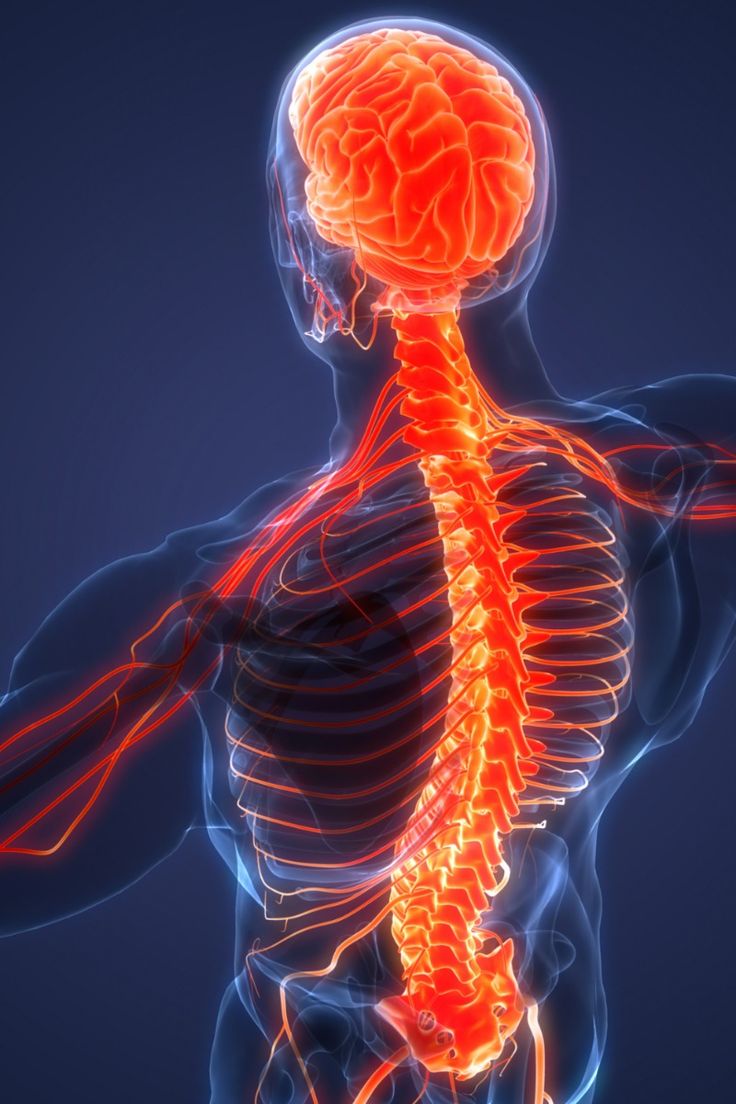
Surgery may be considered when severe pain, pressure on a nerve, weakness, or movement difficulty does not improve with non-surgery. The aim is to reduce pressure on nerves, improve stability, and restore function.
Who is at risk?
- Adults with age-related disc changes
- Office workers with prolonged sitting
- People doing repeated bending or lifting
- Manual laborers and active individuals
- Patients with poor posture habits
- People with previous spine injuries
Why timely treatment matters
Ignoring ongoing back or neck pain may increase stiffness, reduce movement, and affect daily activities. Early treatment can help reduce pain, improve movement, and support long-term spine health.