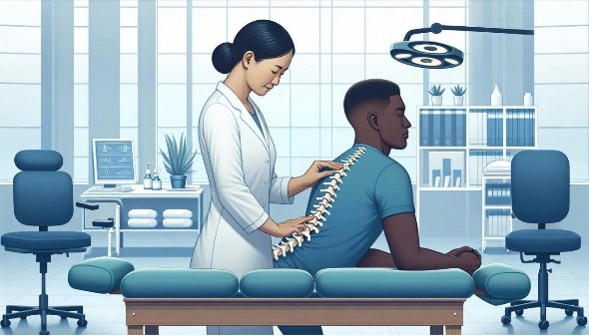
What is a Herniated or Slipped Disc?
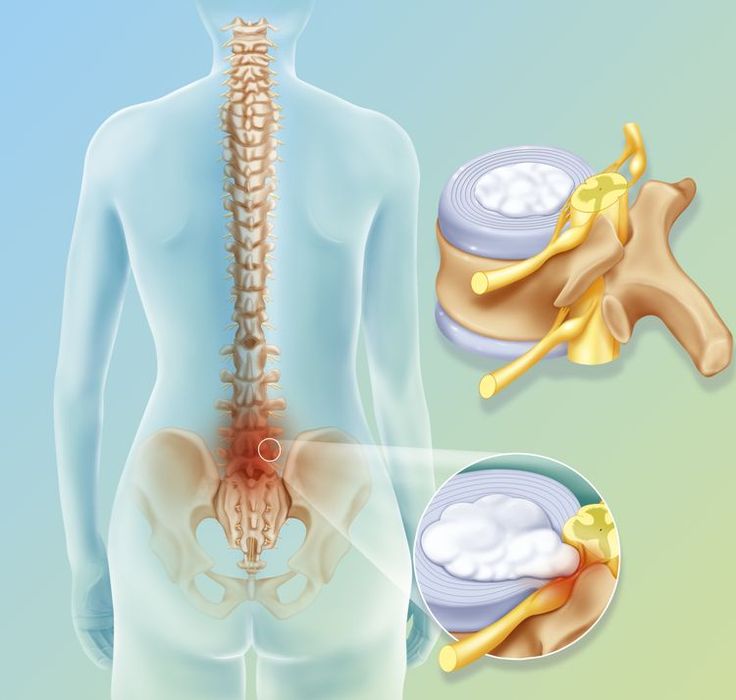
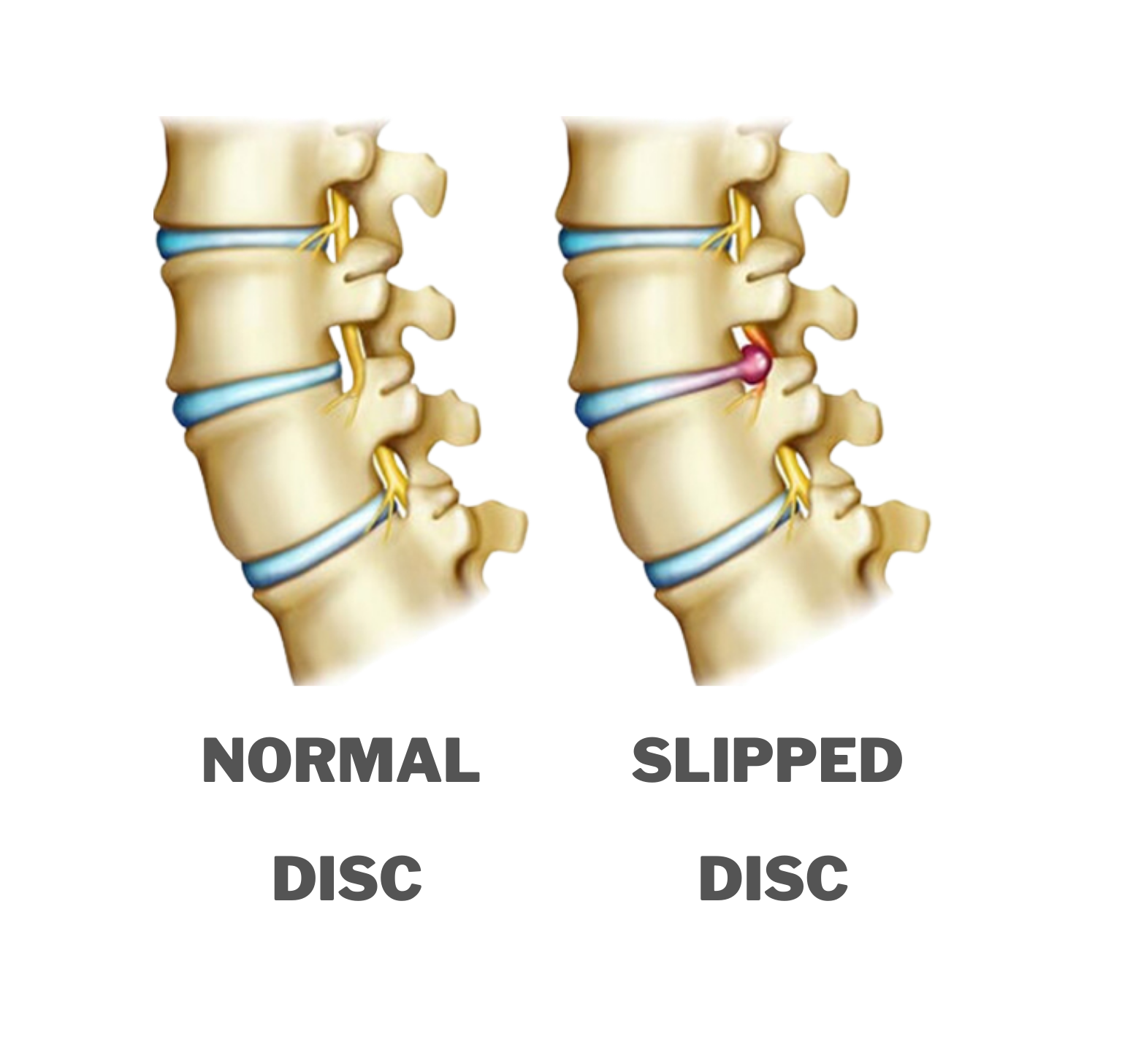
The lower back has soft cushion-like discs between the bones of the spine. These discs help absorb pressure and allow smooth movement. A herniated disc happens when the inner soft part of the disc comes out through a weak outer layer.
Many people call this problem a slipped disc. The disc does not actually slip; it bulges or herniates and may press on a nearby nerve. This can cause pain in the lower back, buttock, thigh, calf, or foot.
At Ahmedabad Spine Hospital, the focus is on finding the real cause of pain and giving the right treatment. Surgery is suggested only when it is truly needed.
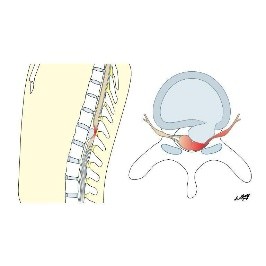
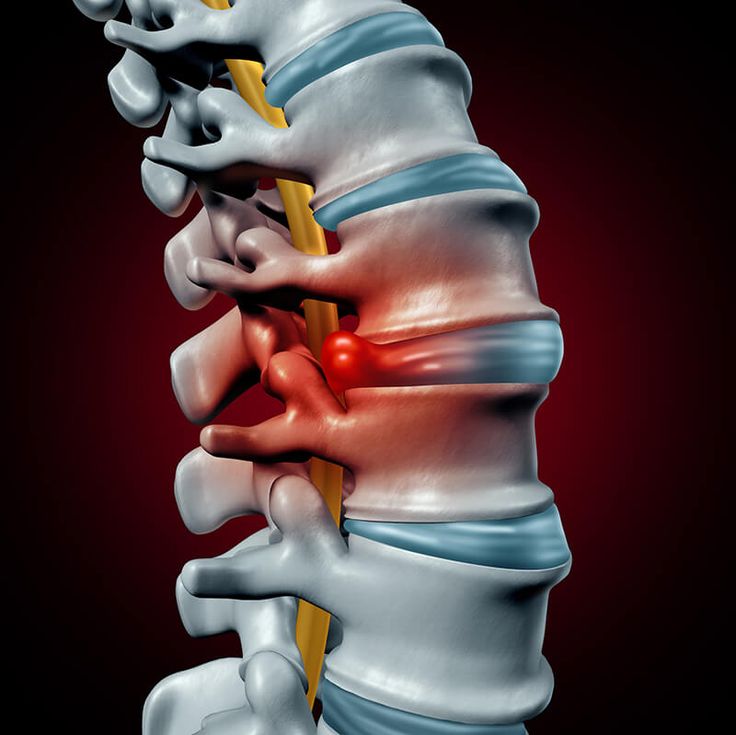
Disc Herniation
Disc material bulges outward and may press on a nearby nerve in the lower back.
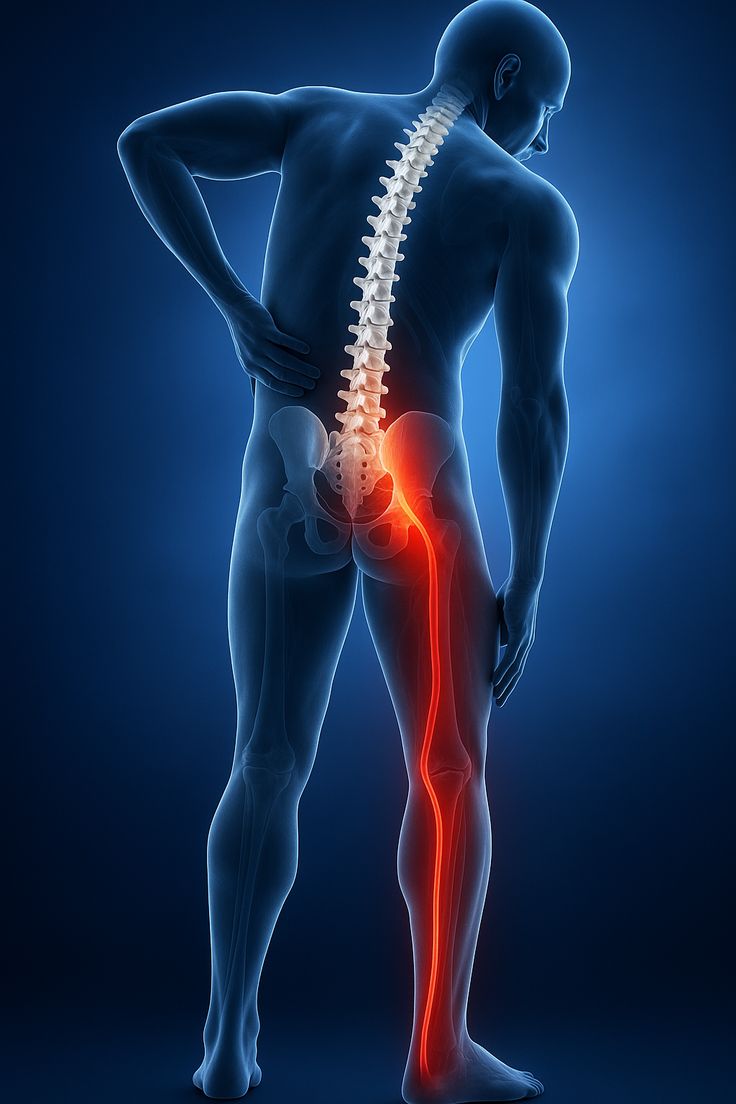
Sciatica Symptoms
Pain, tingling, or numbness can travel from the back into the leg.

Specialist Check-up
A proper check-up helps find the affected disc and nerve problem.

Functional Recovery
Treatment focuses on reducing pain and helping you move comfortably again.
Symptoms that may suggest a lumbar disc problem
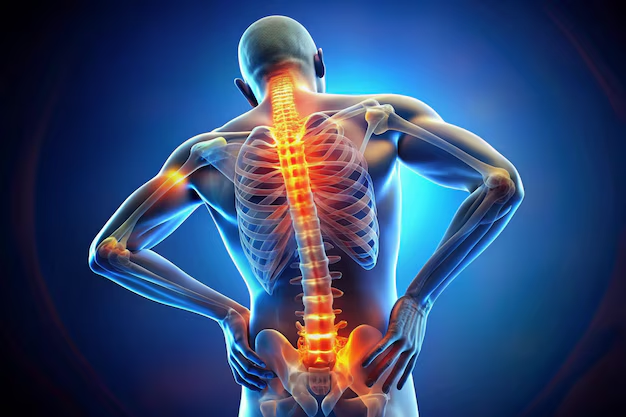
A herniated disc may not always cause severe pain. But when it presses on a nerve, it can cause back pain and leg pain. Symptoms may become worse while sitting, bending, lifting, coughing, or sneezing.
Common Signs
- Lower back pain with or without leg pain
- Pain travelling down one leg
- Pain that becomes worse while sitting, bending, or lifting
- Numbness or tingling in the thigh, calf, or foot
- Weakness in the leg or foot in serious cases
- Difficulty standing, walking, or doing daily work
Possible Reasons
- Age-related disc wear and tear
- Sudden strain while bending or lifting
- Repeated stress on the lower back
- Poor posture and long sitting hours
- Heavy physical work
- Weak core muscles or excess body weight

How We Find the Cause
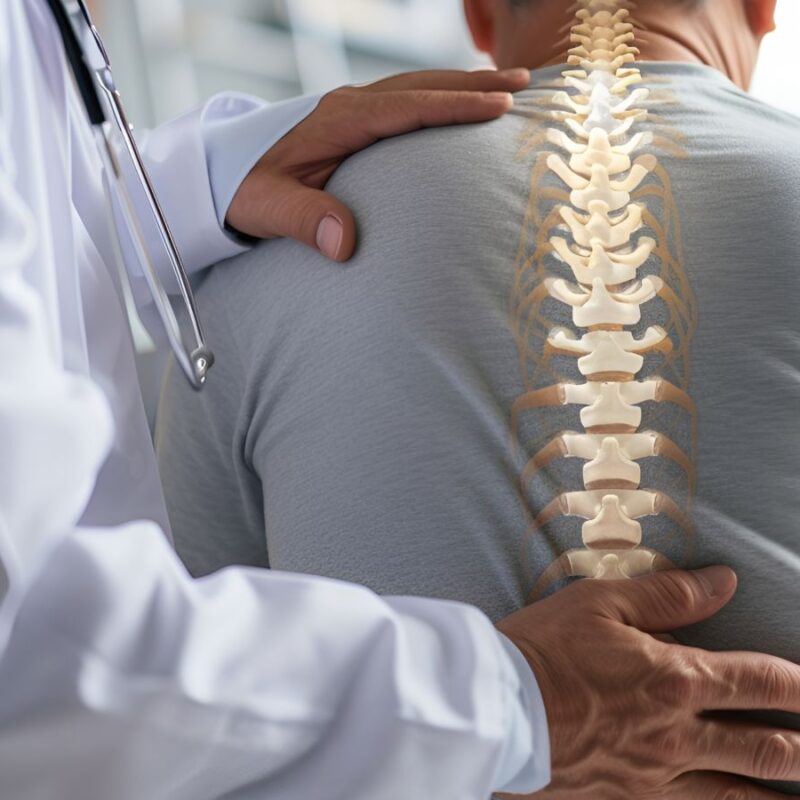
Finding the cause starts with understanding your pain, checking movement, and examining nerve function. MRI or X-ray may be advised when needed to confirm the affected disc and pressure on a nerve.
- Doctor's review of pain pattern and daily activity difficulty
- Nerve check-up for feeling, strength, and reflexes
- MRI scan to confirm disc and pressure on a nerve
- X-rays in selected cases to check spine alignment
- Additional tests when symptoms are complex or long-lasting
Treatment Options
Most slipped disc cases improve without surgery. Treatment depends on pain severity, nerve involvement, weakness, walking difficulty, and how long symptoms have been present.
- Short-term rest from painful movements
- Medication for pain and swelling when required
- Physiotherapy and guided exercises
- Posture correction and ergonomic advice
- Core strengthening and rehabilitation
- Pain relief care support in selected patients
- Surgical consultation only when symptoms are severe or progressive
When is surgery needed?
Surgery may be advised if severe leg pain does not improve, weakness is increasing, walking becomes difficult, or MRI shows major pressure on a nerve. The goal is to reduce pressure on the nerve and improve movement while maintaining spine stability.
Who is at risk?
- Adults with age-related disc wear and tear
- People doing repeated bending or heavy lifting
- Office workers with long sitting hours and poor posture
- Manual workers and physically active individuals
- Patients with weak core muscles or repeated low back pain
- People with excess body weight placing pressure on the lower back
Why timely treatment matters
Ignoring back pain or pain going down the leg may increase discomfort and reduce movement. Early medical check-up helps confirm the diagnosis, start the right treatment, and reduce the risk of long-term nerve-related problems.