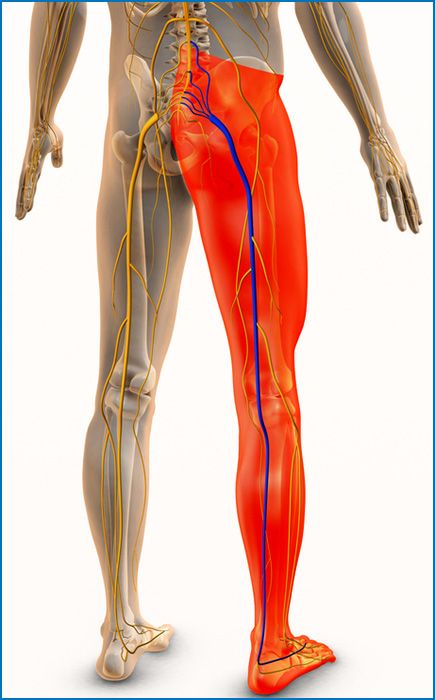
What is Sciatica?
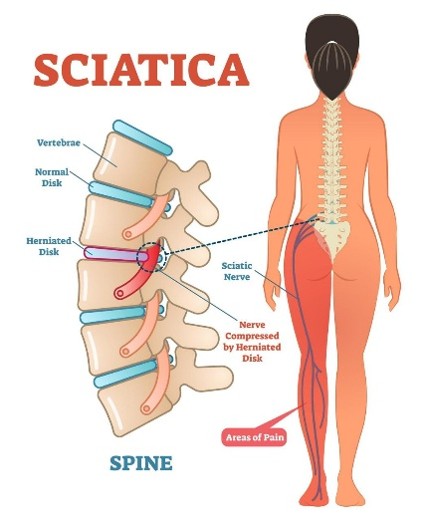
Sciatica is not a disease itself but a symptom caused by irritation or pressure on the sciatic nerve. This nerve starts in the lower back and travels down each leg.
When the nerve gets compressed, pain may travel from the lower back into the buttock, thigh, calf, or foot. Some people may also experience tingling, numbness, burning sensation, or weakness in the leg.
At Ahmedabad Spine Hospital, treatment focuses on finding the exact cause of nerve pain and helping patients recover safely with personalized care.
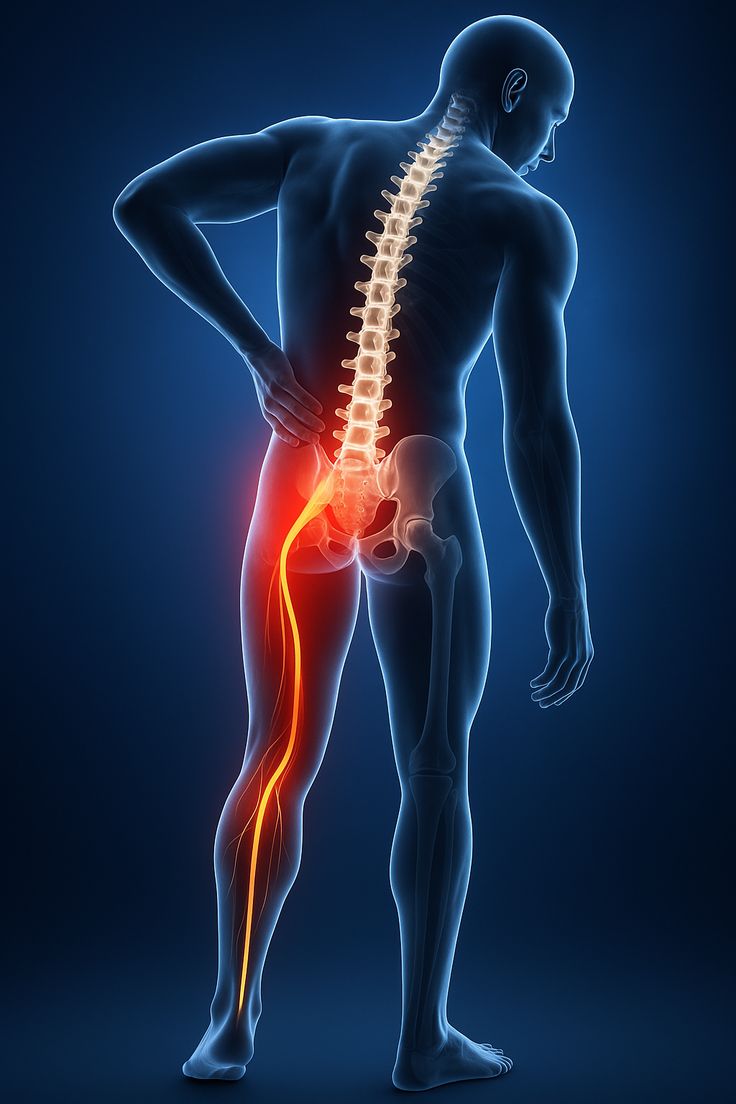
Nerve Pain
Pain can travel from the lower back down into the leg because of nerve irritation.
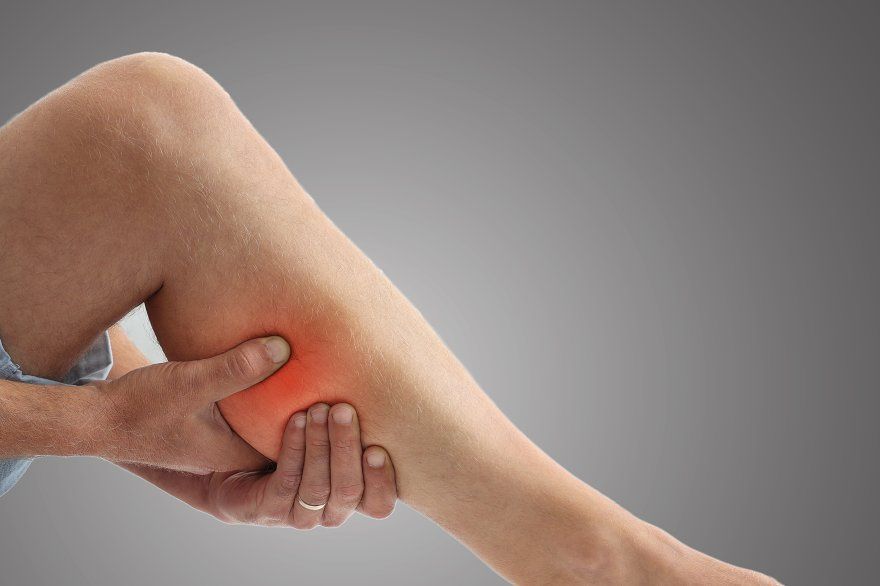
Tingling & Numbness
Some patients feel tingling, burning, or numbness in the thigh, calf, or foot.
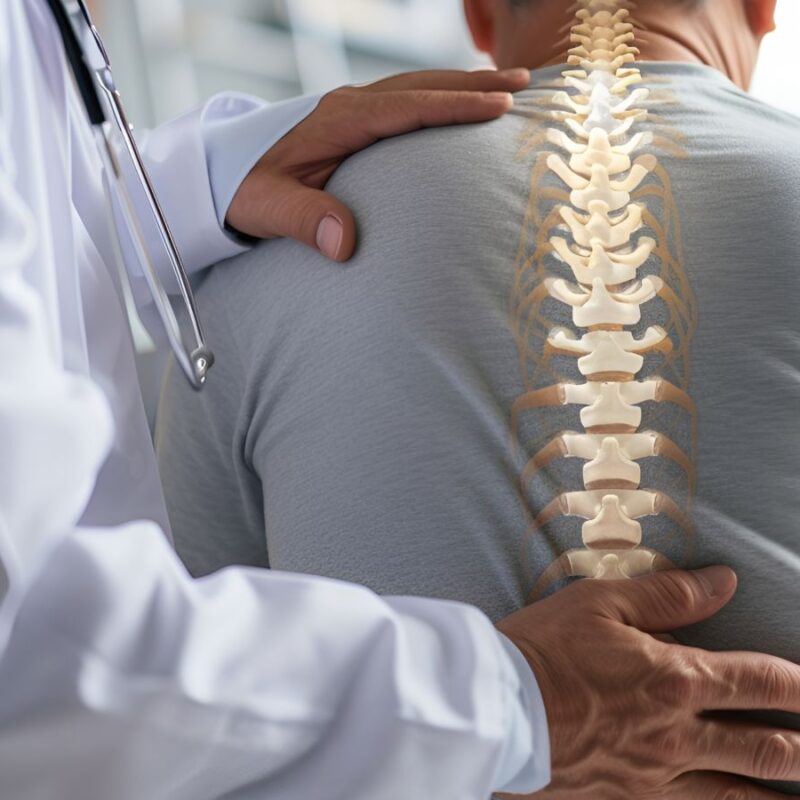
Careful Check-up
A proper check-up helps identify the exact nerve and spine problem.

Better Movement
Treatment focuses on reducing pain and helping you walk comfortably again.
Common signs and causes of sciatica
Sciatica symptoms may develop slowly or suddenly. Pain may become worse while sitting for long hours, bending, coughing, sneezing, or lifting weight.
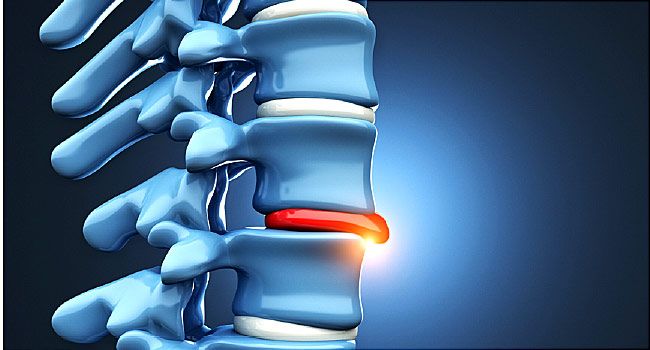
Common Signs
- Pain travelling from the lower back into the leg
- Burning or electric shock-like pain
- Tingling or numbness in the leg or foot
- Pain that increases while sitting or bending
- Weakness in the leg in severe cases
- Difficulty walking or standing comfortably
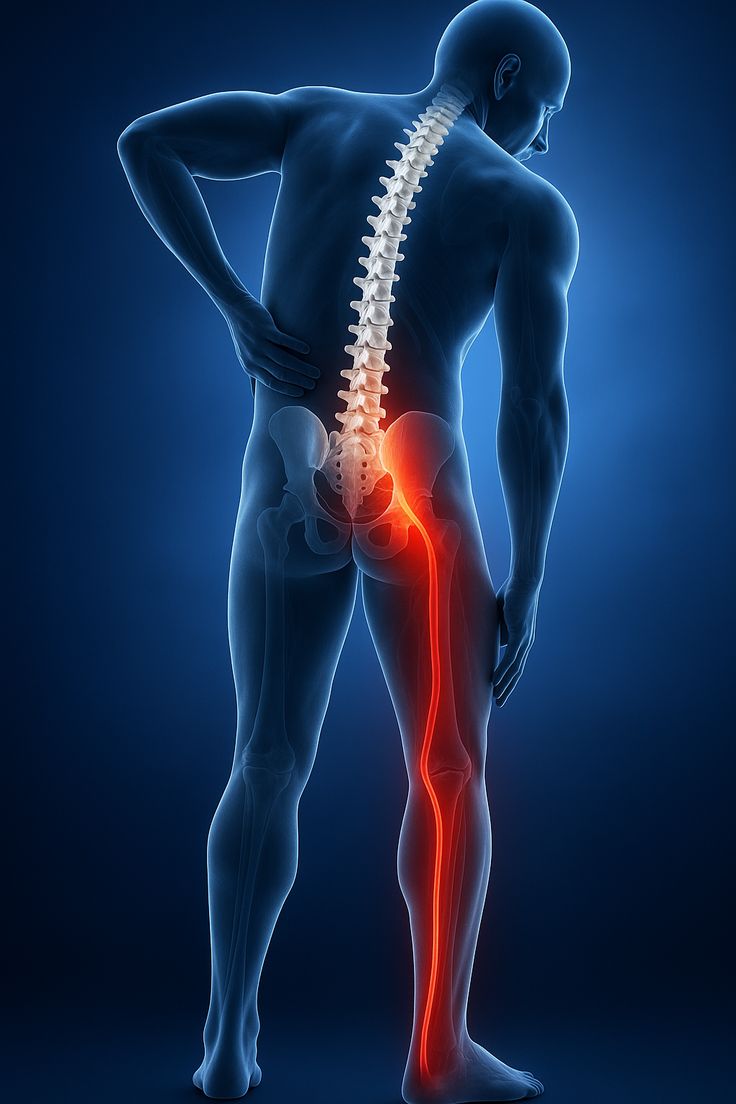
Possible Reasons
- Slipped or herniated disc in the lower back
- Pressure on the sciatic nerve
- Narrowing inside the spine (stenosis)
- Age-related spine wear and tear
- Poor posture and long sitting hours
- Heavy lifting or sudden back strain

How We Find the Cause
Finding the cause includes understanding your symptoms, checking movement, examining nerve function, and identifying the exact cause of leg pain.
- Physical examination and pain check-up
- Checking nerve strength, sensation, and reflexes
- MRI scan to identify disc or pressure on a nerve
- X-rays when needed for spine alignment check-up
- Additional tests in complex or long-standing cases
Treatment Options
Most sciatica cases improve with non-surgery. The treatment plan depends on pain severity, nerve involvement, weakness, and daily activity limitations.
- Medication for pain and inflammation relief
- Physiotherapy and stretching exercises
- Posture improvement and activity guidance
- Core strengthening and rehabilitation exercises
- Short-term rest from painful activities
- Pain relief care support in selected patients
- Surgical consultation if symptoms become severe or persistent
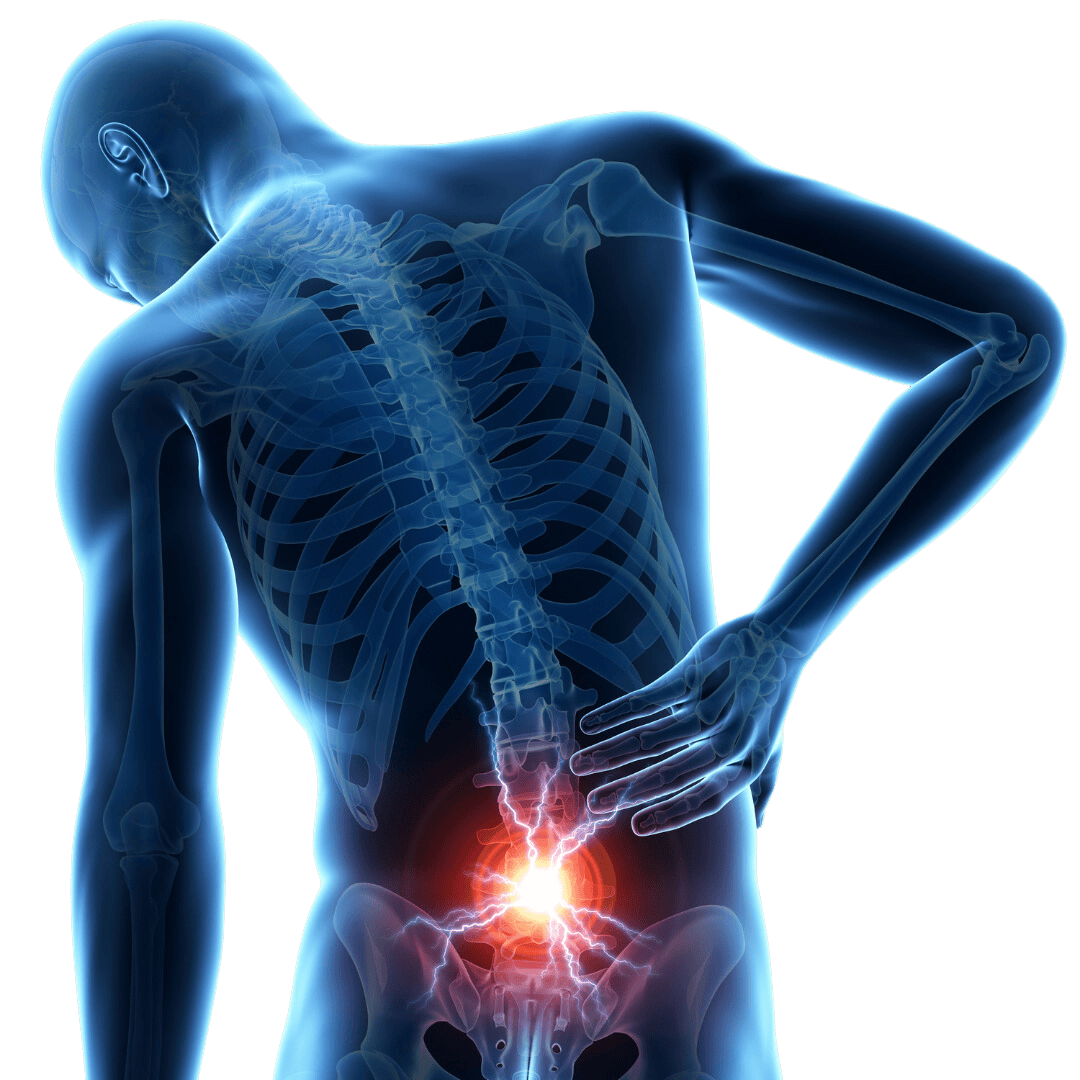
When is surgery needed?
Surgery may be advised if severe leg pain does not improve with treatment, weakness increases, walking becomes difficult, or pressure on a nerve becomes serious. The goal is to relieve pressure on the nerve and improve quality of life.
Who is at risk?
- People with slipped disc or lower back problems
- Office workers sitting for long hours
- People doing heavy lifting or physical work
- Adults with age-related spine degeneration
- People with poor posture and weak core muscles
- Individuals with repeated lower back pain episodes
Why timely treatment matters
Ignoring nerve pain or numbness can affect movement and daily activities. Early treatment helps control pain, prevent worsening nerve problems, and improve recovery outcomes.