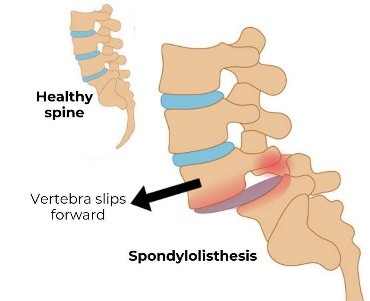
What are Spondylolysis & Spondylolisthesis?
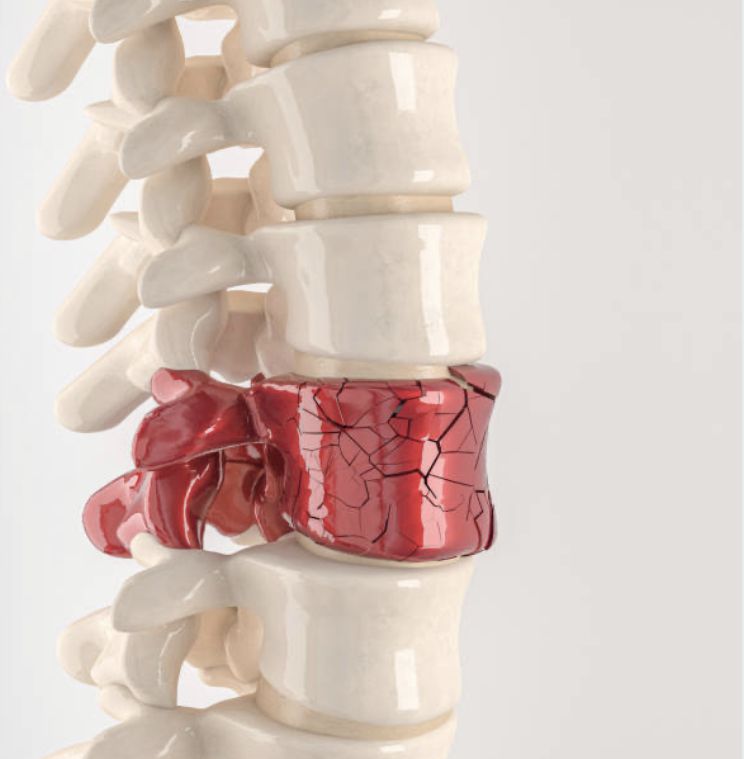
Spondylolysis is a small crack or stress injury in one of the bones of the lower spine. It is commonly seen in people involved in sports, repeated bending activities, or heavy physical work.
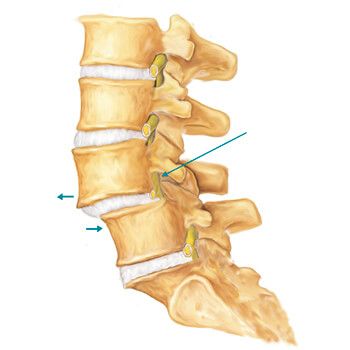
Spondylolisthesis happens when one spinal bone slips forward over another. This may lead to lower back pain, stiffness, muscle tightness, or pressure on nearby nerves, causing pain or numbness in the legs.
At Ahmedabad Spine Hospital, treatment focuses on reducing pain, improving spine stability, and helping patients safely return to their daily routine and physical activities.
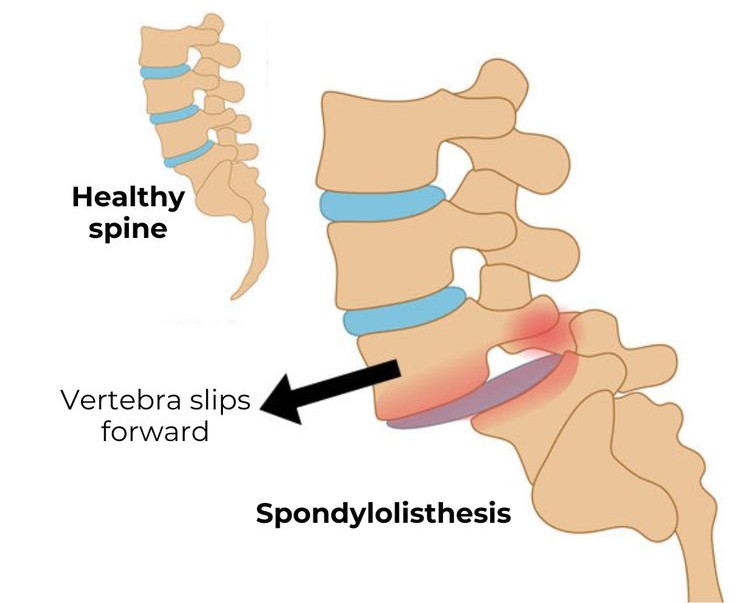

Lower Back Pain
Stress on the spine can cause pain, stiffness, and discomfort in the lower back.
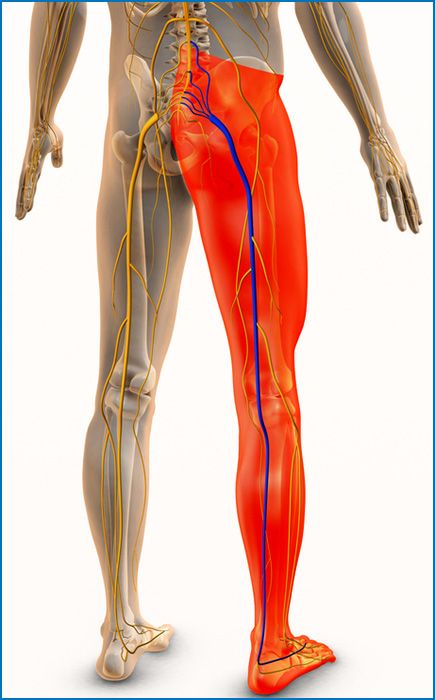
Leg Pain & Numbness
Pressure on nerves may cause pain, tingling, or numbness in the legs.

Careful Check-up
Proper spine check-up helps identify bone stress or spine slipping.

Better Stability
Treatment focuses on improving movement, posture, and spine support.
Common signs and causes of these spine conditions
Symptoms may appear gradually or after physical strain. Pain often increases during standing, bending backward, sports activities, or heavy lifting.
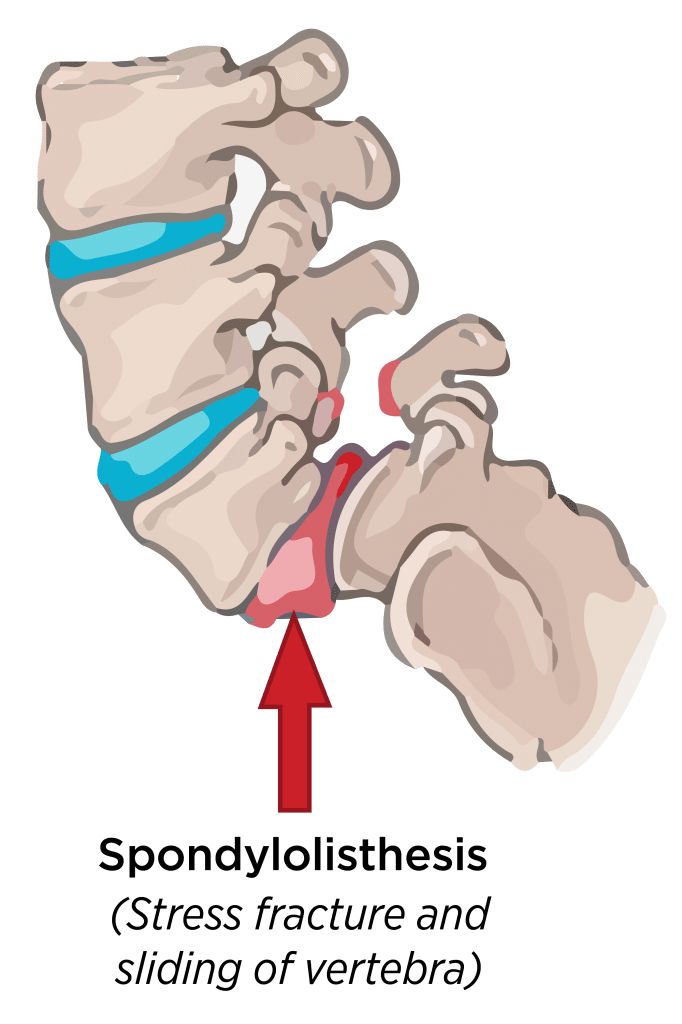
Common Signs
- Lower back pain and stiffness
- Pain increasing during activity or bending backward
- Muscle tightness in the lower back or thighs
- Pain travelling into the legs
- Numbness or tingling in the legs
- Difficulty standing or walking for long periods
Possible Reasons
- Repeated stress on the lower spine
- Sports involving repeated bending or twisting
- Heavy lifting or physical strain
- Weakness in spine-supporting muscles
- Age-related spine degeneration
- Previous spine injury or fracture

How We Find the Cause
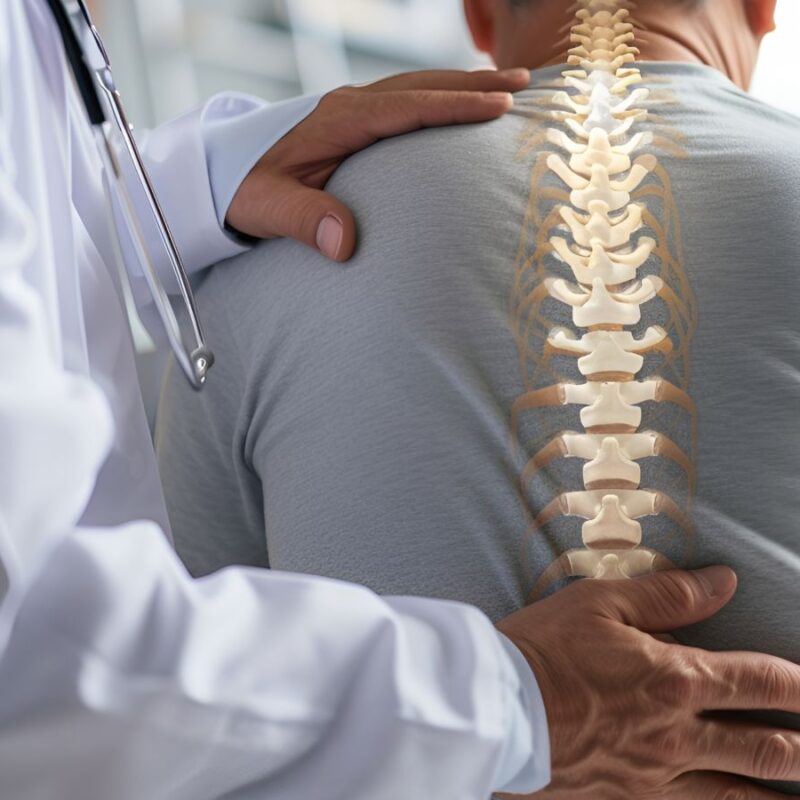
Finding the cause includes understanding symptoms, checking spine movement, and using scans to identify bone stress or vertebra slipping.
- Detailed doctor's check-up and posture check-up
- Movement, flexibility, and nerve check-up
- X-rays to check vertebra alignment and slipping
- MRI or CT scan in selected cases
- Review of leg pain, numbness, or weakness
Treatment Options
Treatment depends on pain severity, spine stability, nerve involvement, and the patient’s activity level and lifestyle needs.
- Medication for pain and inflammation relief
- Short-term activity modification and rest
- Physiotherapy and guided stretching exercises
- Core strengthening and posture correction
- Back support or bracing in selected patients
- Rehabilitation for safe return to activity
- Surgery in severe or unstable cases
When is surgery needed?
Surgery may be advised if spine slipping becomes severe, pain continues despite treatment, nerve pressure increases, or daily movement becomes difficult. The goal is to improve spine stability and reduce pressure on a nerve.
Who is at risk?
- Young athletes involved in repetitive spine movements
- People doing heavy lifting or physical work
- Adults with age-related spine degeneration
- Individuals with weak core muscles
- People with previous spine injuries
- Patients with long-standing lower back pain
Why timely treatment matters
Ignoring persistent back pain or leg symptoms may affect posture, movement, and daily activities. Finding the problem early and treatment can help reduce pain, improve spine stability, and prevent worsening of the condition.