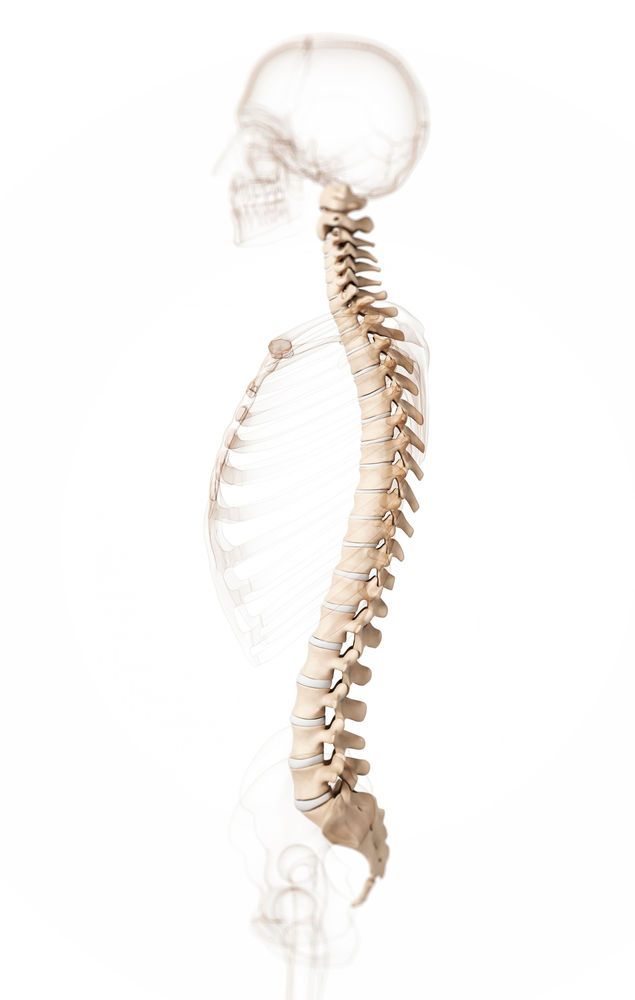
What are Weak Bones & Spine Fractures?
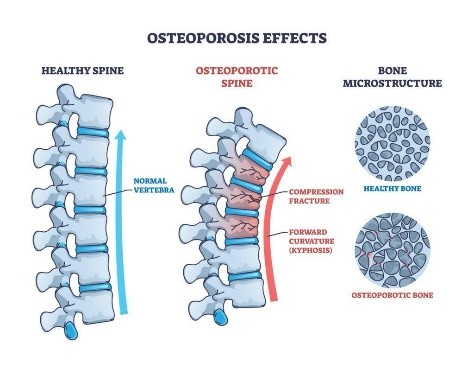
Osteoporosis is a condition where bones become weak and fragile. When the spinal bones lose strength, even minor strain or falls can cause small cracks or collapse of the vertebrae, known as compression fractures.
Compression fractures commonly affect the middle or lower back. They may cause sudden pain, stooped posture, difficulty walking, or reduced daily activity.
At Ahmedabad Spine Hospital, treatment focuses on pain relief, improving movement, protecting bone health, and reducing the risk of future fractures.
Compression Fractures
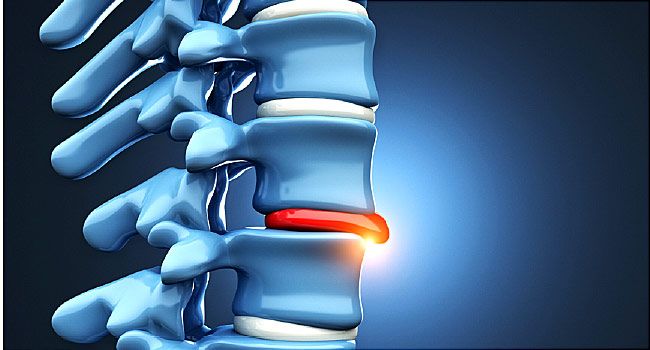
Weak spinal bones may crack or collapse under pressure.
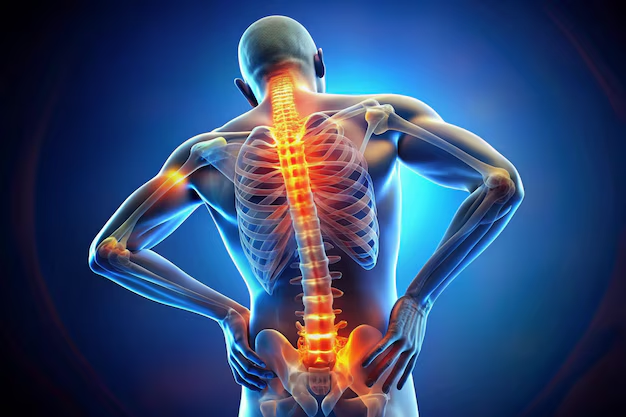
Sudden Back Pain
Fractures can cause sharp pain while standing, walking, or bending.
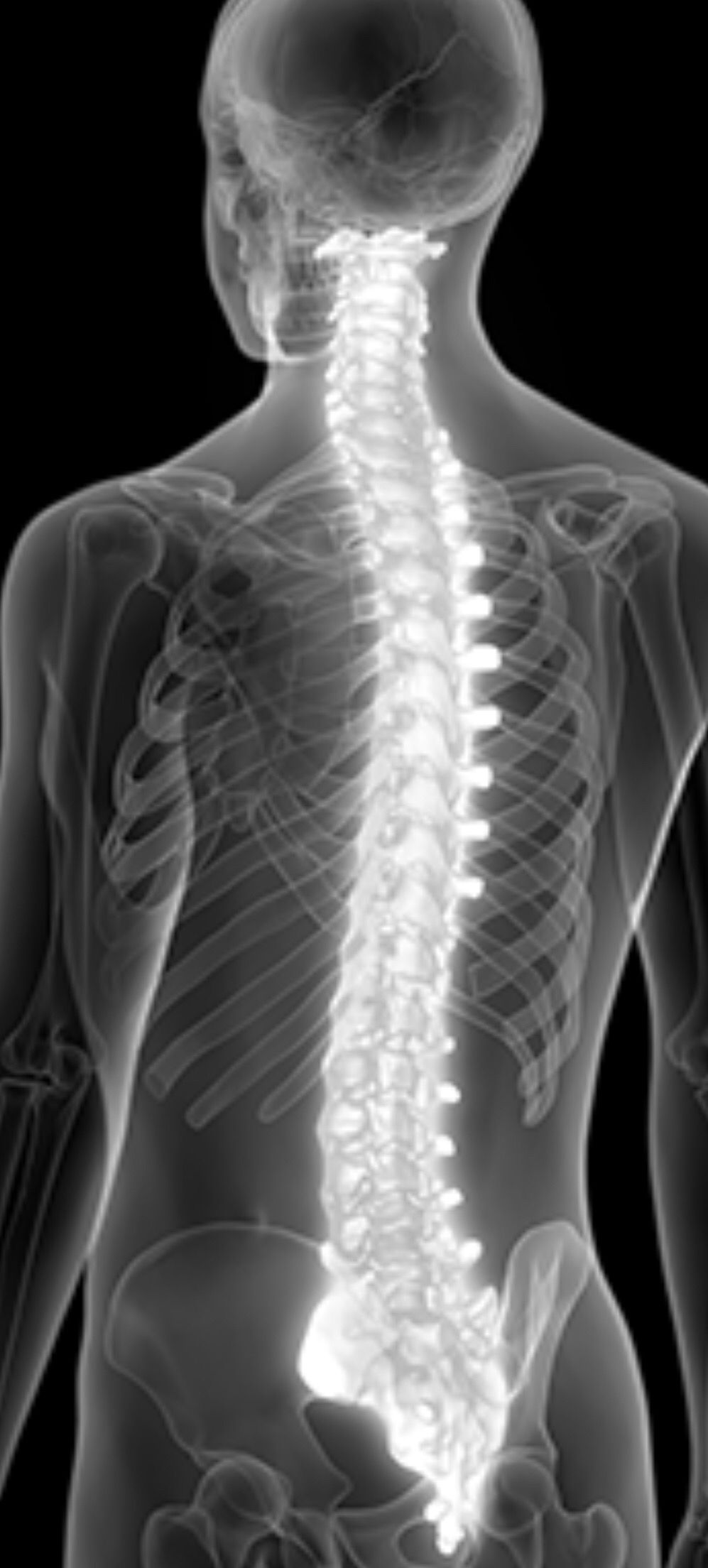
Bone & Spine Check-up
Scans and bone density tests help assess fracture severity.
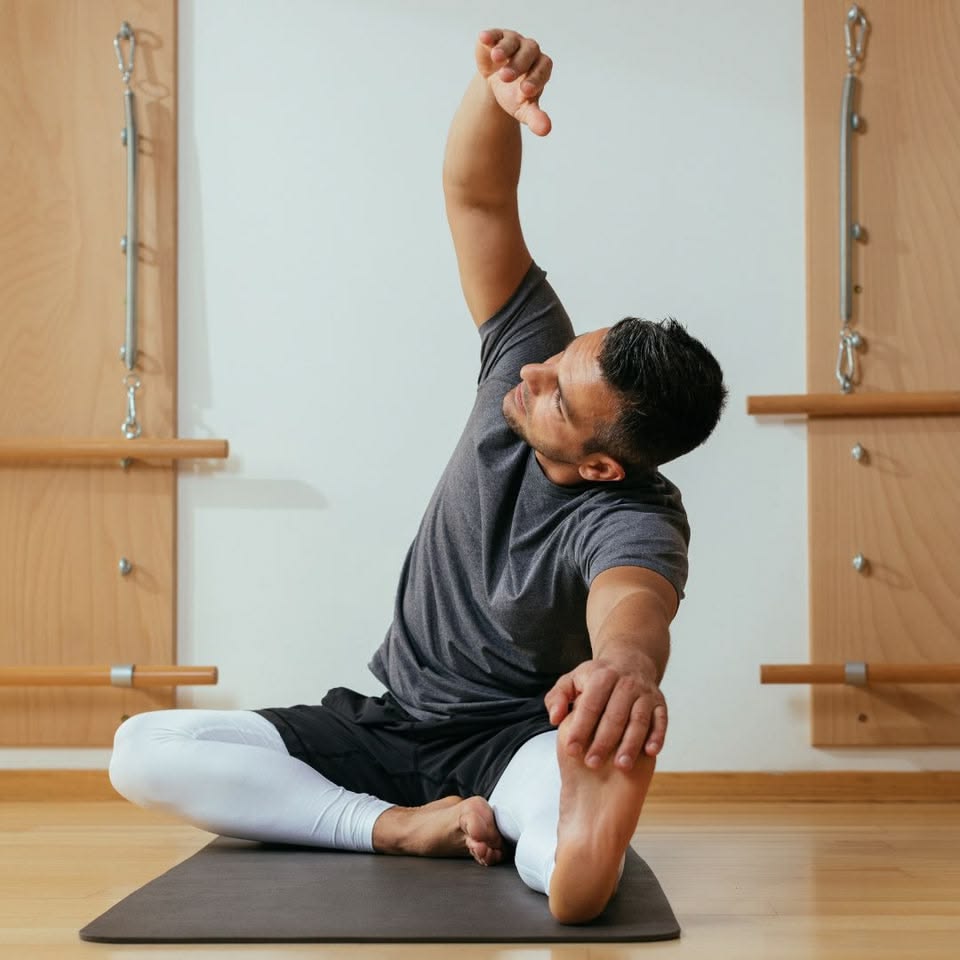
Movement Support
Rehabilitation helps improve strength, posture, and daily movement.
Common signs and causes of osteoporosis-related fractures
Symptoms may develop suddenly after a fracture or gradually with weakening of the spine.
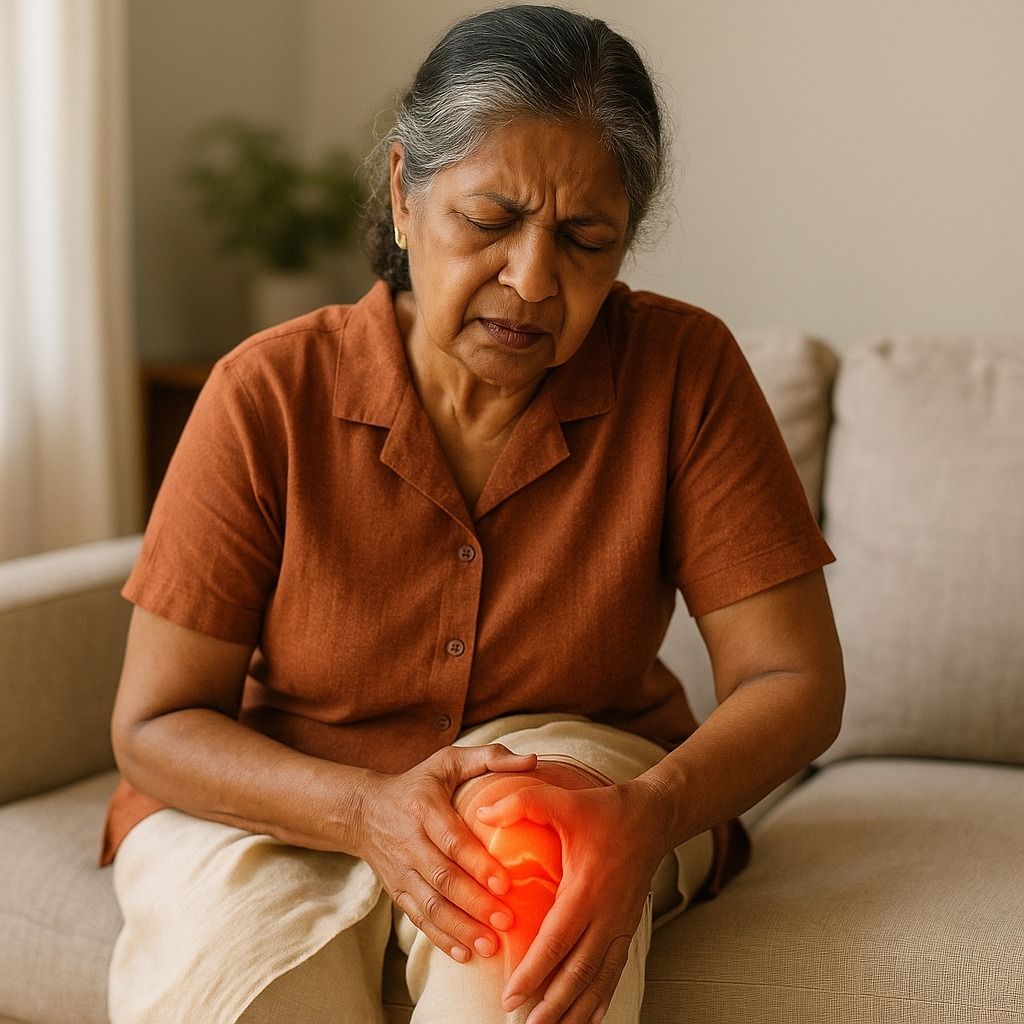
Common Signs
- Sudden or persistent back pain
- Pain while standing or walking
- Loss of height over time
- Stooped or bent posture
- Difficulty with daily activities
- Reduced movement and flexibility
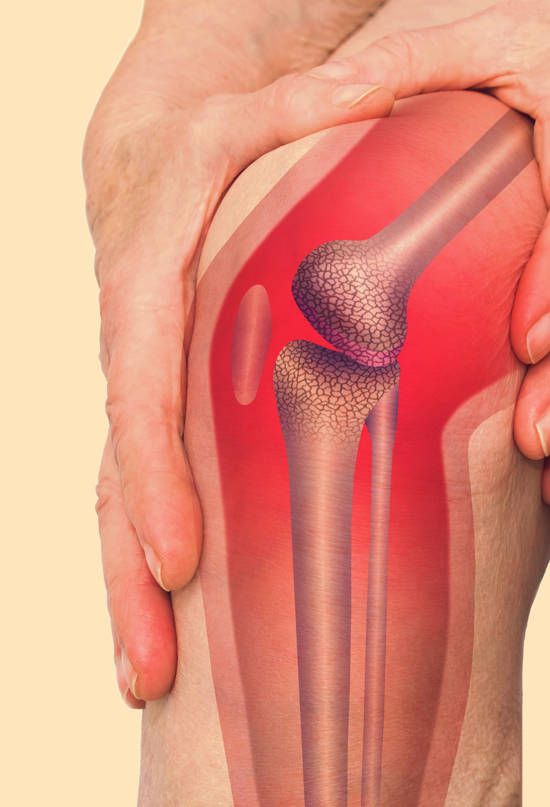
Possible Reasons
- Age-related bone weakness
- Osteoporosis reducing bone strength
- Minor falls or sudden movements
- Low calcium or vitamin D levels
- Hormonal changes after menopause
- Long-term overall healths affecting bones
How We Find the Cause
Proper check-up helps identify bone weakness, fracture location, and spine strength and support.
- Doctor's review of pain and posture
- X-rays to detect spinal fractures
- MRI or CT scan in selected cases
- Bone density testing for osteoporosis
- Blood tests to assess bone health
Treatment Options
Treatment depends on fracture severity, pain level, bone strength, and the patient’s movement and daily activity needs.
- Pain relief and supportive care
- Medication to improve bone strength
- Calcium and vitamin support
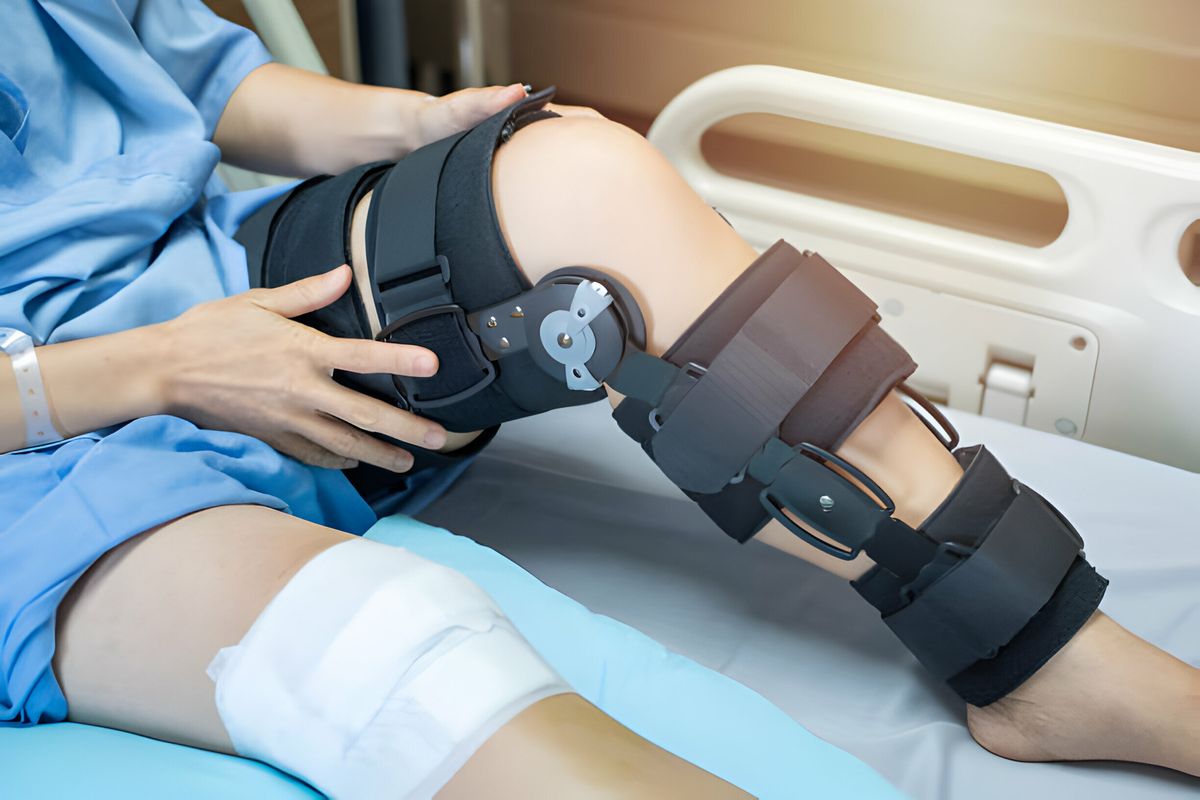
- Bracing support when required
- Physiotherapy and posture correction
- Balance and fall prevention guidance
- Minimally invasive procedures in selected cases
When are procedures or surgery needed?
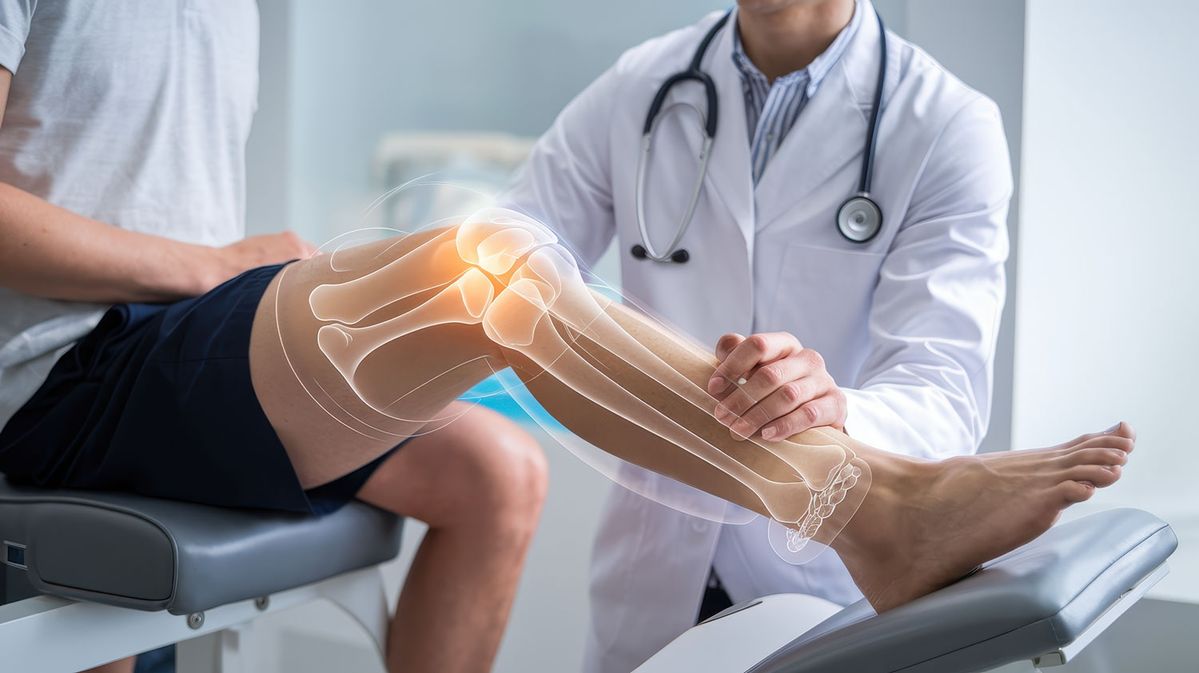
Procedures may be considered when severe pain continues, fractures affect movement, or spine strength and support becomes a concern. The aim is to reduce pain, support the spine, and improve movement.
Who is at risk?
- Older adults with reduced bone strength
- Women after menopause
- People with osteoporosis
- Patients with low calcium or vitamin D
- Individuals with previous fractures
- People with poor balance or frequent falls
Why timely treatment matters
Delayed treatment may increase pain, reduce movement, and increase the risk of additional fractures. Early medical care helps improve recovery, maintain posture, and support safer movement.