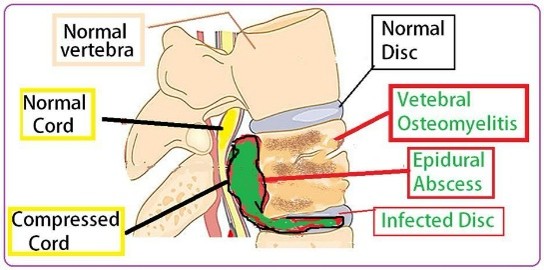
What are Thoracolumbar Spine Fractures?
The thoracolumbar spine includes the lower chest region and upper lower-back region of the spine. Fractures in this area happen when the spinal bones break or collapse because of trauma, falls, road accidents, or high-impact injuries.
Some fractures remain stable and heal with supportive care, while others may affect spinal alignment, stability, or nearby nerves. Symptoms and treatment needs vary depending on the severity of the injury.
At Ahmedabad Spine Hospital, treatment planning focuses on spine strength and support, pain relief, movement recovery, and protecting nerve function whenever required.
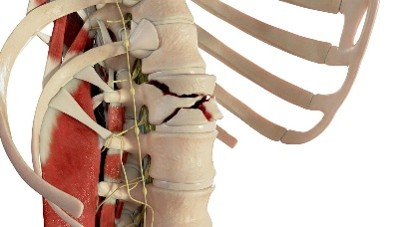
Spinal Bone Injury
Trauma can cause fractures affecting spinal support and alignment.
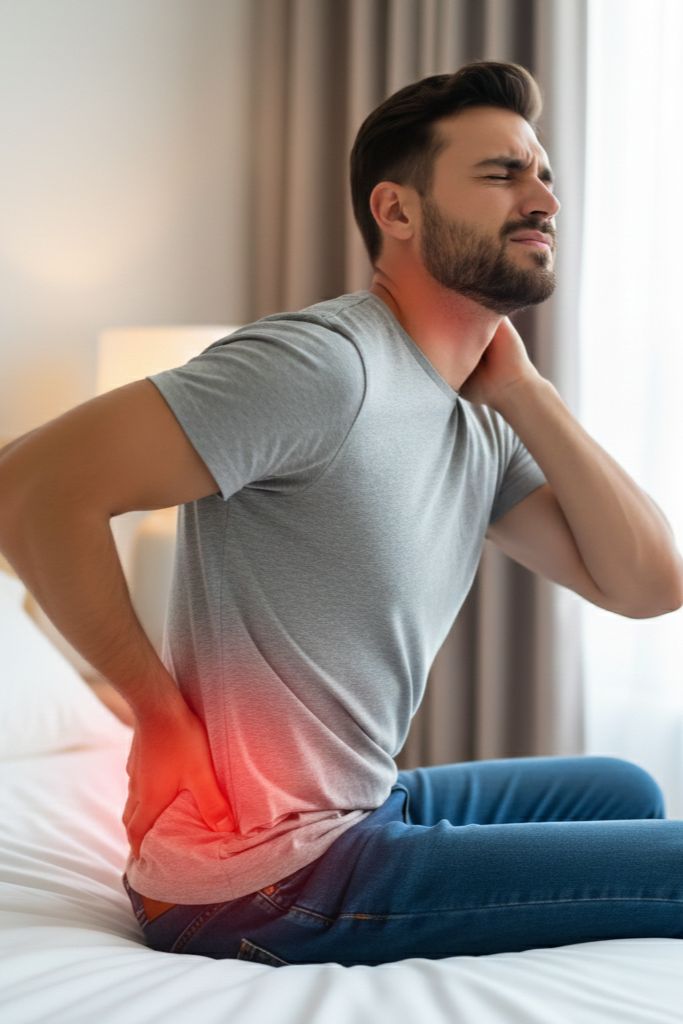
Severe Back Pain
Fractures may cause sudden pain and difficulty standing or walking.

Careful Check-up
Scans help assess fracture severity and spine strength and support.

Recovery Support
Rehabilitation helps improve movement, comfort, and daily activity.
Common symptoms and causes of thoracolumbar fractures
Symptoms depend on the severity of the injury and whether nearby nerves or spinal structures are affected.
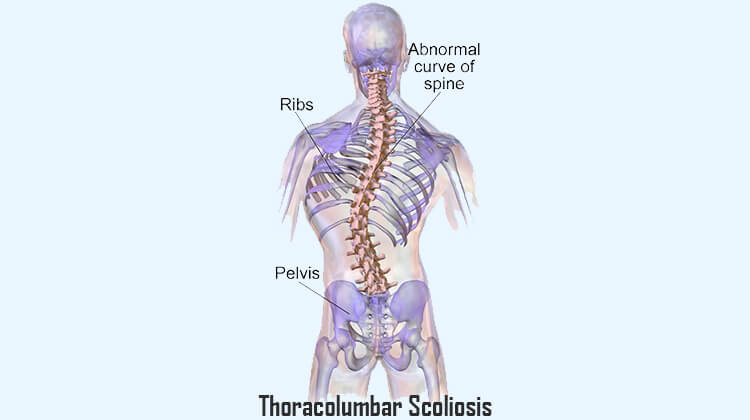
Common Signs
- Sudden severe back pain after injury
- Difficulty standing or walking
- Back tenderness or swelling
- Restricted spine movement
- Numbness or weakness in the legs in severe cases
- Pain that worsens with movement
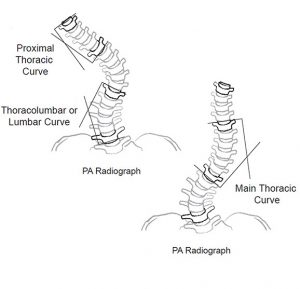
Possible Reasons
- Road traffic accidents
- Falls from height
- Sports-related injuries
- Heavy impact trauma
- Osteoporosis-related weak bones
- Workplace accidents or physical injury
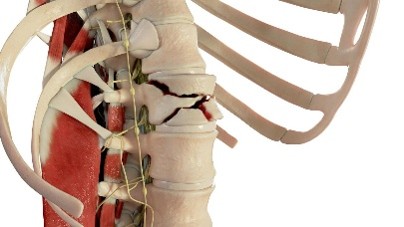
How We Find the Cause
Careful check-up helps determine fracture stability, spinal alignment, and possible nerve involvement.
- Clinical examination after injury
- Movement check-up and pain severity
- X-rays to identify fractures and alignment changes
- CT scan for detailed bone injury check-up
- MRI when nerve or spinal cord involvement is suspected
Treatment Options
Treatment depends on fracture severity, spine strength and support, nerve symptoms, and the patient’s overall health condition.
- Pain relief care and supportive care
- Activity modification during healing
- Spine brace support in selected cases
- Physiotherapy and rehabilitation
- Movement and posture improvement exercises
- Regular follow-up for healing check-up
- Surgical spine support for unstable fractures when required
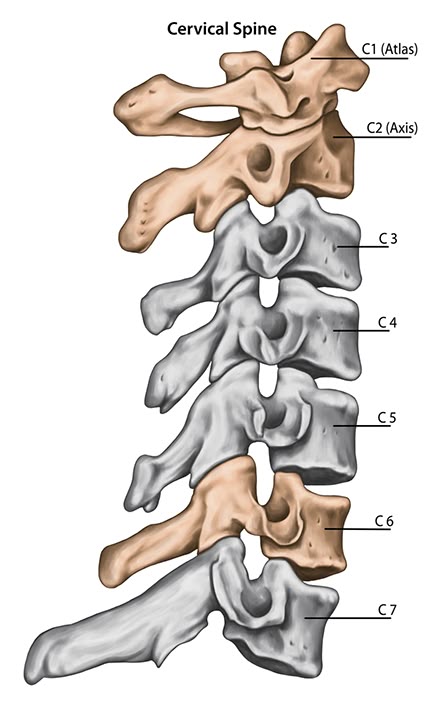
When is surgery needed?
Surgery may be recommended when fractures are unstable, spinal alignment is severely affected, or nerves are compressed. The goal is to stabilize the spine, protect nerve structures, and support safe recovery.
Who is at risk?
- People involved in accidents or falls
- Workers in physically demanding jobs
- Sports players exposed to impact injuries
- Older adults with osteoporosis
- Individuals with weak bone strength
- Patients with previous spinal injuries
Why timely treatment matters
Delayed treatment may worsen reduced spine support, increase pain, or affect nearby nerves. Early medical care helps improve recovery, movement, and long-term spinal support.