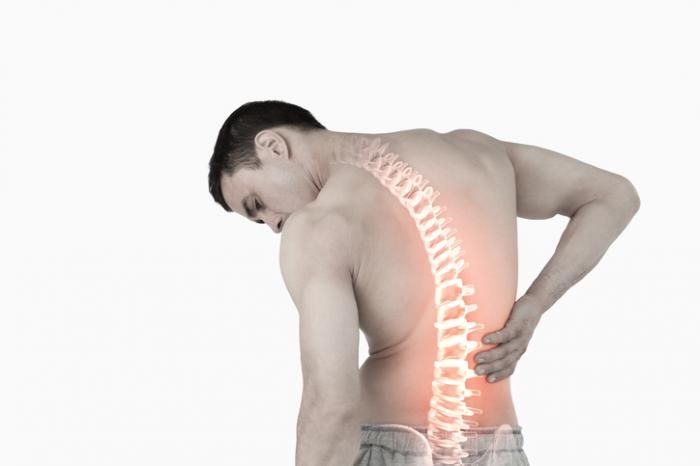
What are Thoracolumbar Spine Tumors?
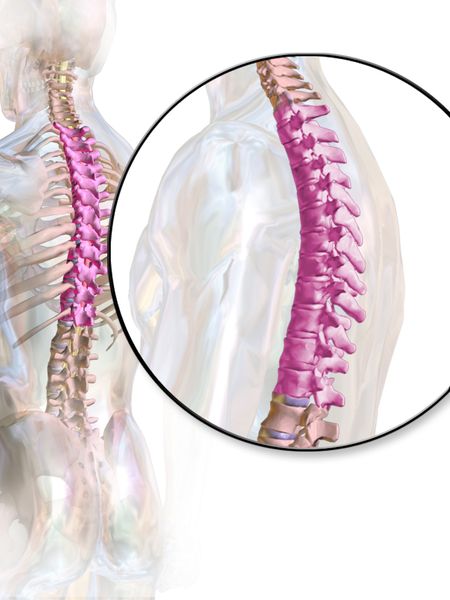
Thoracolumbar spine tumors are abnormal tissue growths that occur in the middle or lower part of the spine. Some tumors begin in the spine itself, while others may spread from another part of the body.
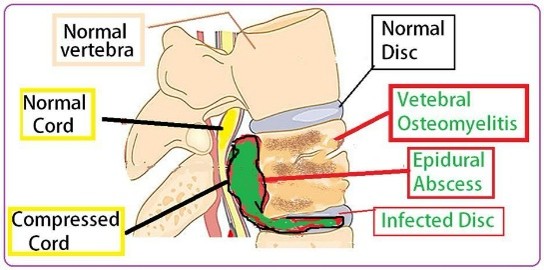
Depending on their size and location, tumors may press on spinal nerves, weaken the spinal bones, or affect normal movement and balance. Symptoms can develop slowly or progress over time.
At Ahmedabad Spine Hospital, the doctor checks for the tumor, understanding its effect on the spine and nerves, and planning treatment that supports safety, movement, and quality of life.
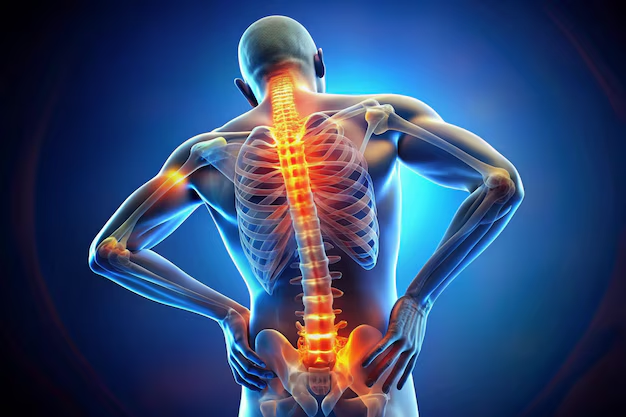
Persistent Back Pain
Spine tumors may cause ongoing pain that gradually worsens over time.
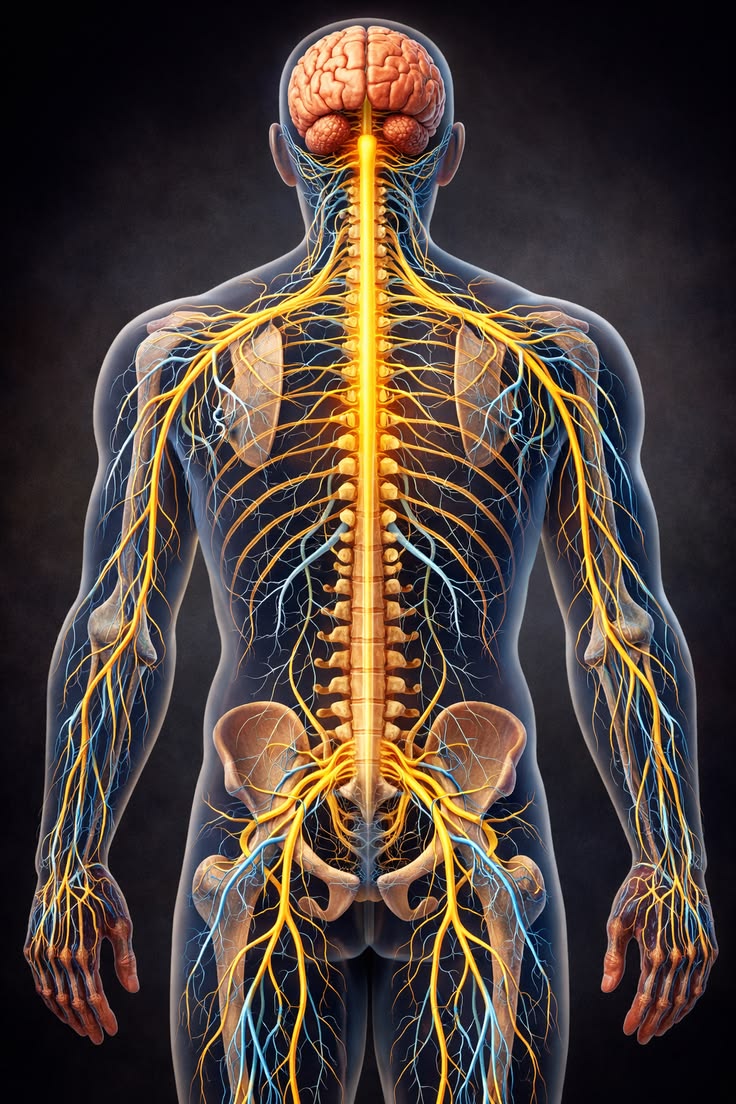
Nerve Compression
Tumors can press on nerves and affect strength, sensation, or balance.

Detailed Scans
MRI and scans help assess tumor size, location, and spinal involvement.

Supportive Recovery
Treatment aims to improve comfort, movement, and overall spinal support.
Common symptoms and causes of spine tumors
Symptoms vary depending on the tumor’s size, location, and effect on spinal nerves or surrounding tissues.
Common Signs
- Persistent back pain that may worsen at night
- Weakness or numbness in the legs
- Difficulty walking or balancing
- Restricted spinal movement
- Unexplained weight loss in some cases
- Fatigue or reduced daily activity tolerance

Possible Reasons
- Tumors originating within the spine
- Spread of cancer from another body area
- Abnormal growth affecting spinal tissues
- Bone-related tumor conditions
- Nerve sheath or spinal tissue tumors
- Rare spinal growth disorders

How We Find the Cause
Finding the cause focuses on identifying the tumor, checking spine strength and support, and evaluating nerve involvement.
- Detailed medical history and symptom check-up
- Neurological examination for strength and sensation
- MRI scan for detailed spine and nerve check-up
- CT scan or X-rays to assess bone involvement
- Additional laboratory tests or biopsy when needed
Treatment Options
Treatment depends on the type of tumor, its location, spine strength and support, nerve involvement, and the patient’s overall condition.
- Pain relief care and supportive care
- Medication for symptom control
- Monitoring of nerve function
- Physiotherapy and movement support
- Rehabilitation to improve daily function
- Coordination with oncology care when required
- Surgery in selected cases for reducing pressure or supporting the spine
When is surgery needed?
Surgery may be recommended when tumors compress nerves, weaken spine strength and support, cause severe pain, or affect movement and balance. The aim is to reduce pressure, stabilize the spine, and improve function where possible.
Who is at risk?
- Patients with a history of cancer
- Older adults with unexplained back pain
- People with persistent nerve-related symptoms
- Individuals with unexplained weight loss
- Patients with chronic spinal discomfort
- People with abnormal spinal growth conditions
Why timely treatment matters
Delayed treatment may allow tumors to grow further, increase nerve pressure, or weaken spinal support. Finding the problem early helps guide proper treatment and supports better movement and quality of life.