What is Neck Spinal Cord Pressure?
Cervical myelopathy, a medical term for pressure on the spinal cord in the neck, happens when the spinal cord in the neck becomes compressed. This pressure can develop slowly due to age-related spine changes, disc problems, ligament thickening, or narrowing of the spinal canal.
Unlike common neck pain, this pressure may affect walking balance, hand coordination, grip strength, and overall body movement. Symptoms often progress gradually and may interfere with daily activities if ignored.
At Ahmedabad Spine Hospital, the doctor checks for pressure on the spinal cord early and planning treatment to improve safety, movement, and quality of life.
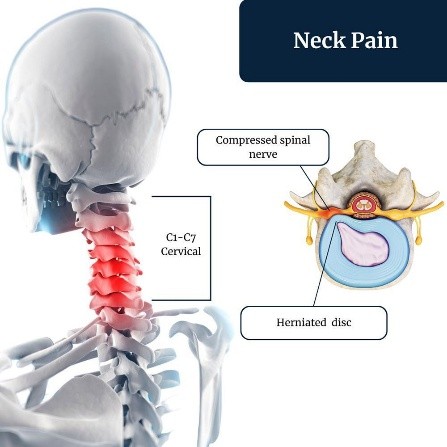
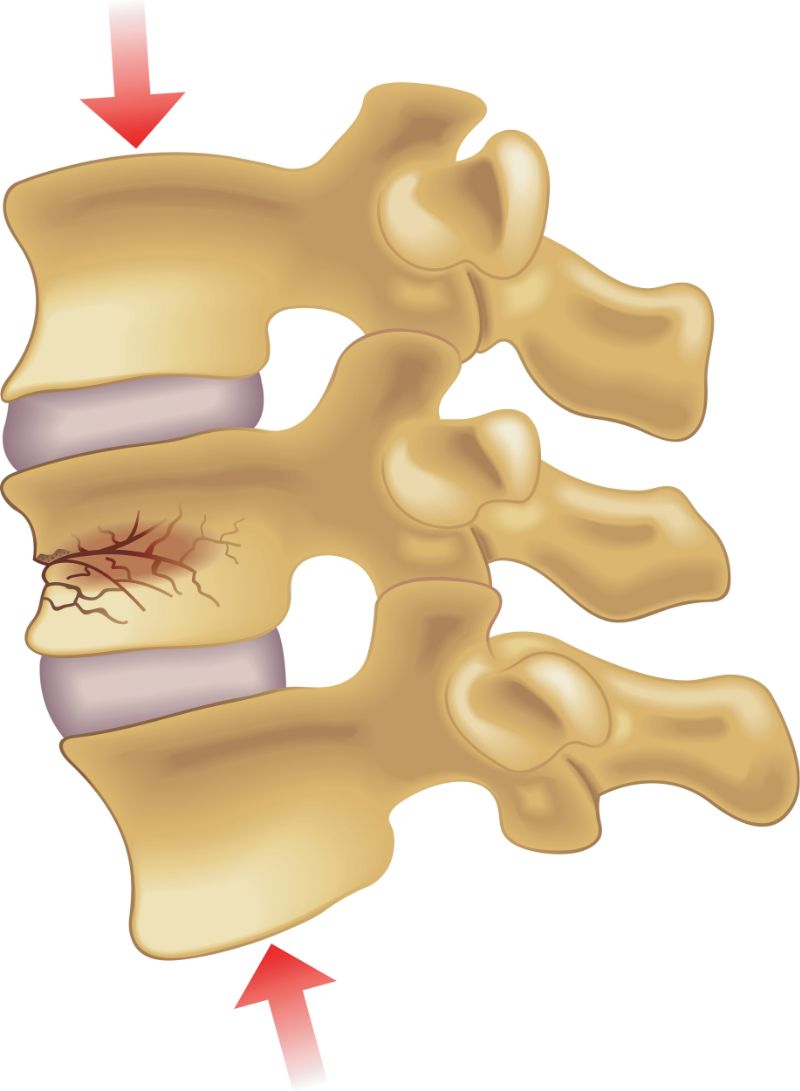
Spinal Cord Pressure
Pressure on the spinal cord can affect movement, balance, and coordination.

Hand Function Changes
Patients may notice weakness, numbness, or difficulty using the hands.

Balance & Walking
Walking unsteadiness or balance difficulty may develop gradually over time.

Recovery & Support
Treatment focuses on improving function and supporting safer movement.
Common signs and reasons for neck spinal cord pressure
Symptoms usually develop slowly and may worsen over time. Early medical check-up is important when walking or hand coordination changes appear.

Common Signs
- Neck pain or stiffness
- Numbness or tingling in the hands
- Weak grip or hand clumsiness
- Difficulty with balance while walking
- Leg stiffness or heaviness
- Difficulty performing fine hand movements

Possible Reasons
- Age-related cervical spine degeneration
- Disc bulge or slipped disc in the neck
- Narrowing of the spinal canal
- Bone spurs pressing on the spinal cord
- Thickened spinal ligaments
- Previous neck injury or trauma

How We Find the Cause
Finding the cause focuses on checking pressure on the spinal cord, nerve function, walking balance, and movement coordination.
- Detailed nerve and movement check-up
- Walking and balance check-up
- Hand strength and coordination check-up
- MRI scan to assess pressure on the spinal cord
- X-rays or CT scan in selected cases
Treatment Options
Treatment depends on symptom severity, spinal cord pressure, movement difficulty, and whether nerve-related changes are getting worse.
- Activity modification and posture care
- Medication for pain and discomfort when required
- Physiotherapy and balance-focused rehabilitation
- Neck strengthening and guided exercises
- Fall prevention and movement support
- Regular monitoring of nerve function
- Surgery when pressure on the spinal cord is significant

When is surgery needed?
Surgery may be advised when pressure on the spinal cord causes worsening balance, weakness, hand coordination problems, or progressive walking difficulty. The aim is to reduce pressure on the spinal cord and help preserve function.
Who is at risk?
- Older adults with age-related spine wear
- People with cervical narrowing inside the spine
- Patients with long-standing neck problems
- Individuals with previous neck injuries
- People with cervical slipped discs
- Patients with progressive balance or coordination issues
Why timely treatment matters
Delayed treatment may increase spinal cord pressure and worsen walking, balance, or hand coordination problems. Early medical care can help slow progression and improve long-term movement and safety.