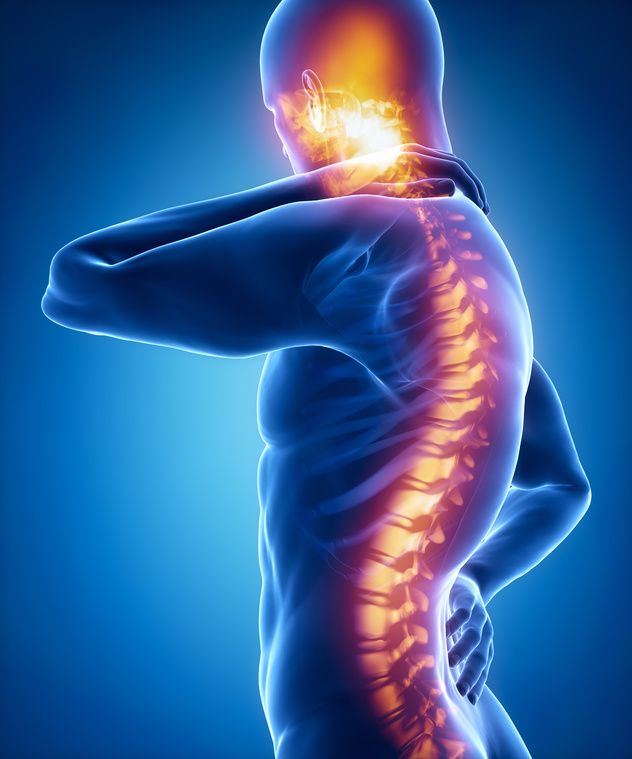
What is Spine Deformity?
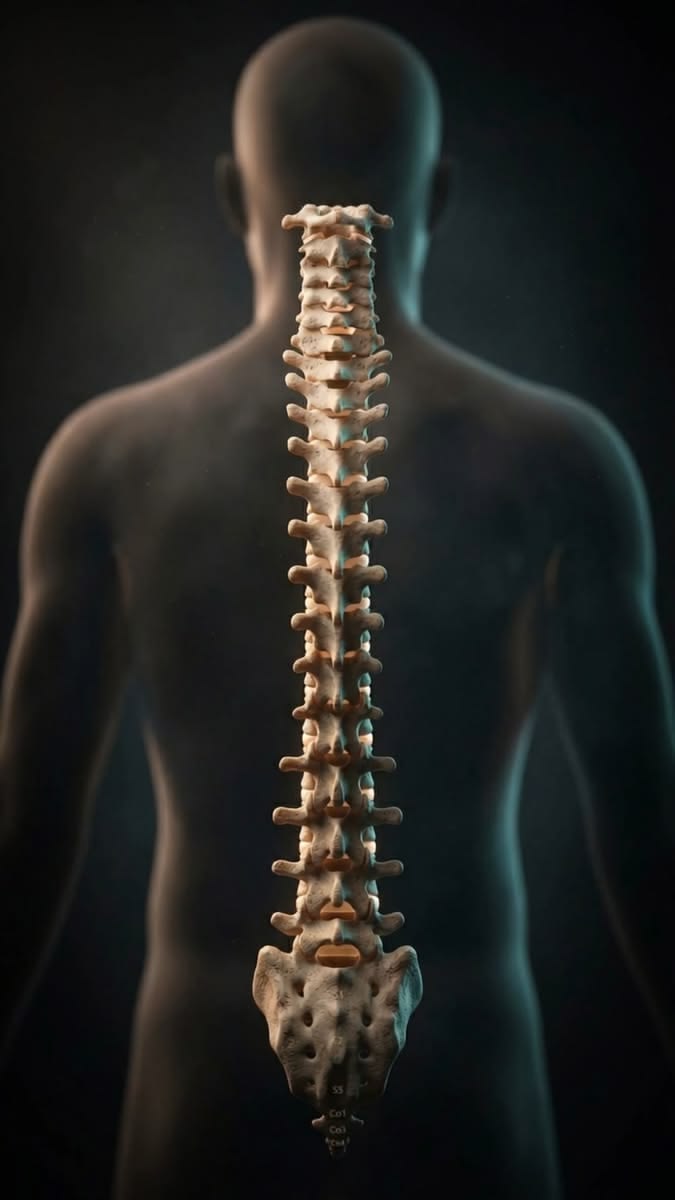
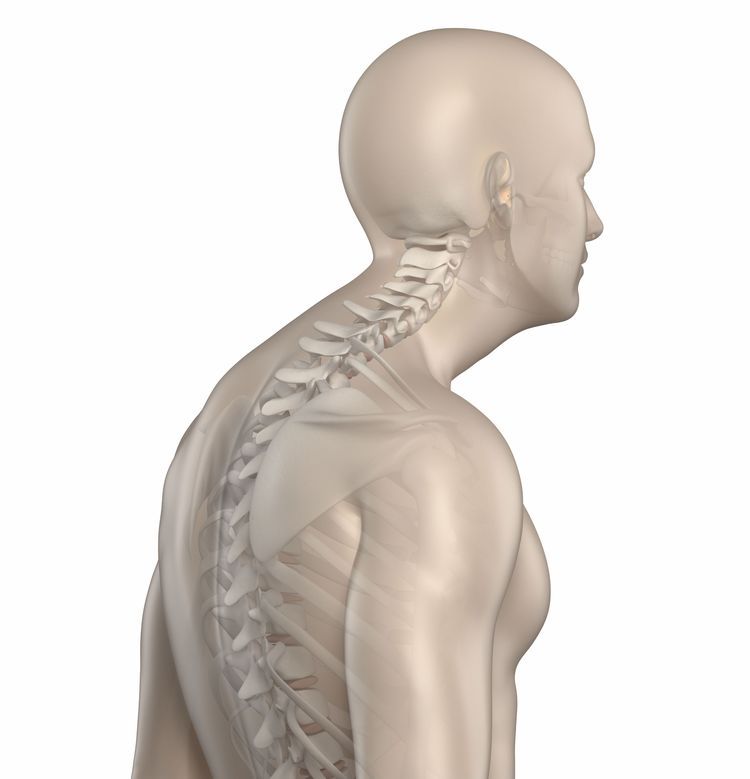
Spine deformity occurs when the spine curves or bends abnormally. The spine may curve sideways, forward, or become uneven, affecting posture, balance, and body movement.
Some deformities develop during growth, while others may occur later due to aging, fractures, degeneration, weakness, or previous spinal conditions. The severity can vary from mild posture changes to significant spinal imbalance.
At Ahmedabad Spine Hospital, treatment planning focuses on improving spinal alignment, reducing pain, supporting movement, and maintaining long-term spine stability.
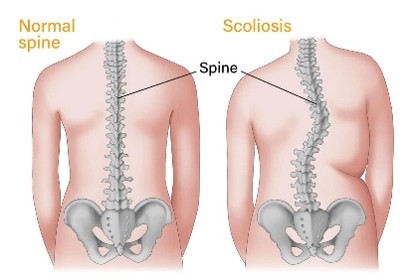
Abnormal Curvature
The spine may curve sideways, forward, or become imbalanced.

Posture Changes
Uneven shoulders, leaning posture, or body imbalance may develop.

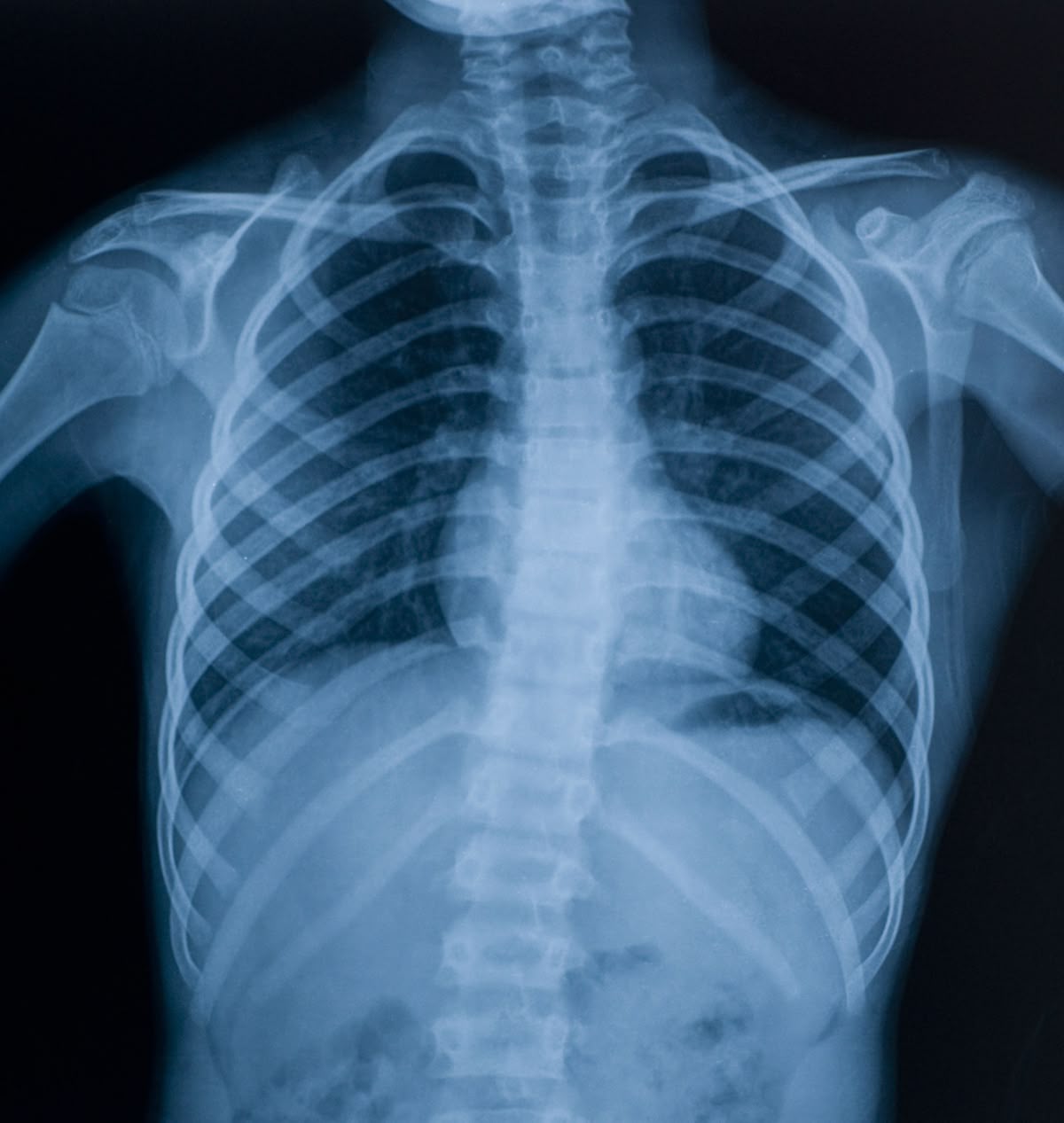
Careful Check-up
Scans helps assess spinal alignment and deformity severity.

Movement Support
Treatment focuses on balance, flexibility, and daily movement.
Common signs and causes of spine deformity
Symptoms depend on the severity of the curvature and its effect on muscles, nerves, and body balance.
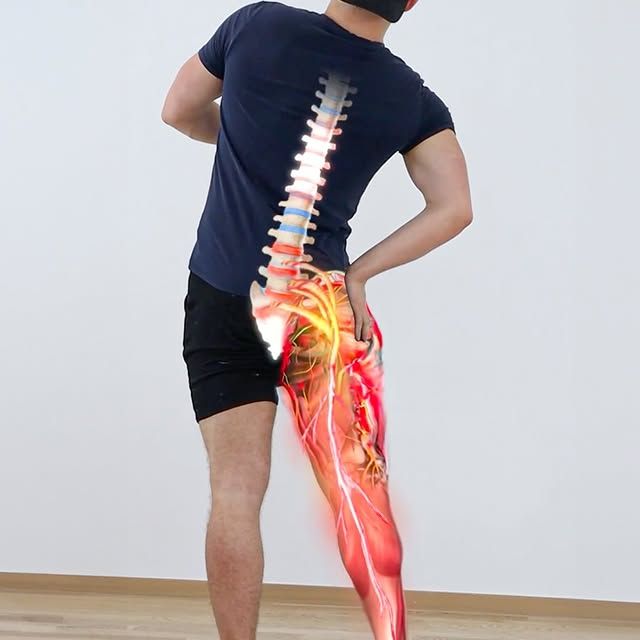
Common Signs
- Visible spinal curvature or uneven posture
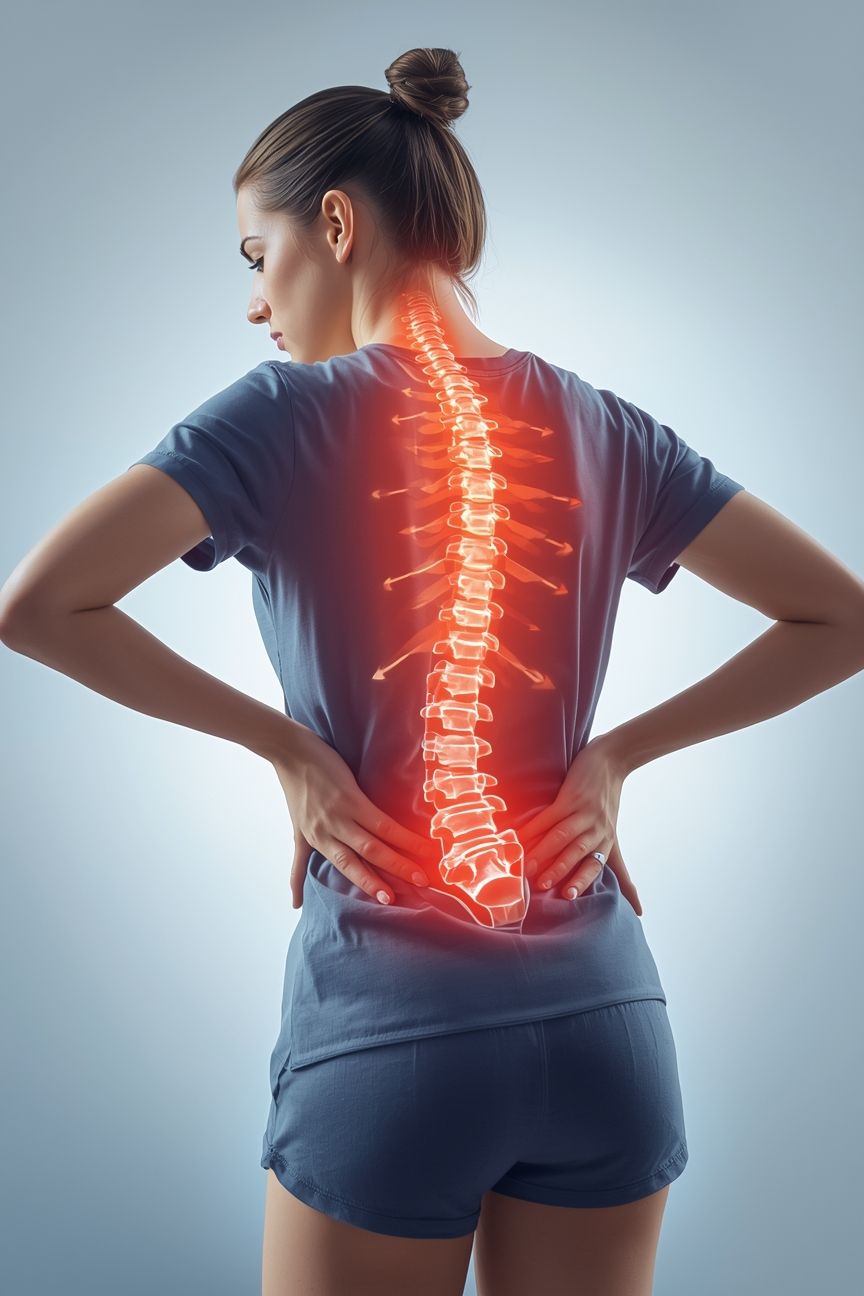
- Back or neck pain
- Difficulty standing upright comfortably
- Shoulder or hip imbalance
- Reduced flexibility and movement
- Fatigue after walking or standing for long periods
Possible Reasons
- Scoliosis developing during growth
- Age-related spinal degeneration
- Osteoporosis-related spinal collapse
- Previous spine injury or fracture
- Congenital spinal conditions
- Muscle weakness or imbalance

How We Find the Cause
Proper check-up helps determine the type, severity, and impact of spinal deformity on posture and movement.
- Clinical posture and balance check-up
- X-rays to measure spinal curvature
- MRI scan in selected cases
- Flexibility check-up and walking pattern
- Nerve check-up when needed
Treatment Options
Treatment depends on spinal curvature severity, pain level, posture imbalance, and the patient’s daily activity limitations.
- Pain relief care and supportive care
- Posture correction guidance
- Physiotherapy and strengthening exercises
- Flexibility and balance training
- Bracing support in selected patients
- Regular follow-up for curve monitoring
- Surgical correction when necessary
When is surgery needed?
Surgery may be considered when spinal curvature becomes severe, balance and posture are significantly affected, or pain and movement limitations continue to worsen. The goal is to improve alignment, support stability, and improve quality of life.
Who is at risk?
- Children and teenagers during growth years
- Older adults with spinal degeneration
- Patients with osteoporosis
- People with previous spine injuries
- Individuals with congenital spinal conditions
- Patients with long-standing posture imbalance
Why timely treatment matters
Delayed treatment may increase spinal imbalance, pain, and movement difficulty. Early check-up helps manage the condition properly, reduce complications, and support long-term movement.