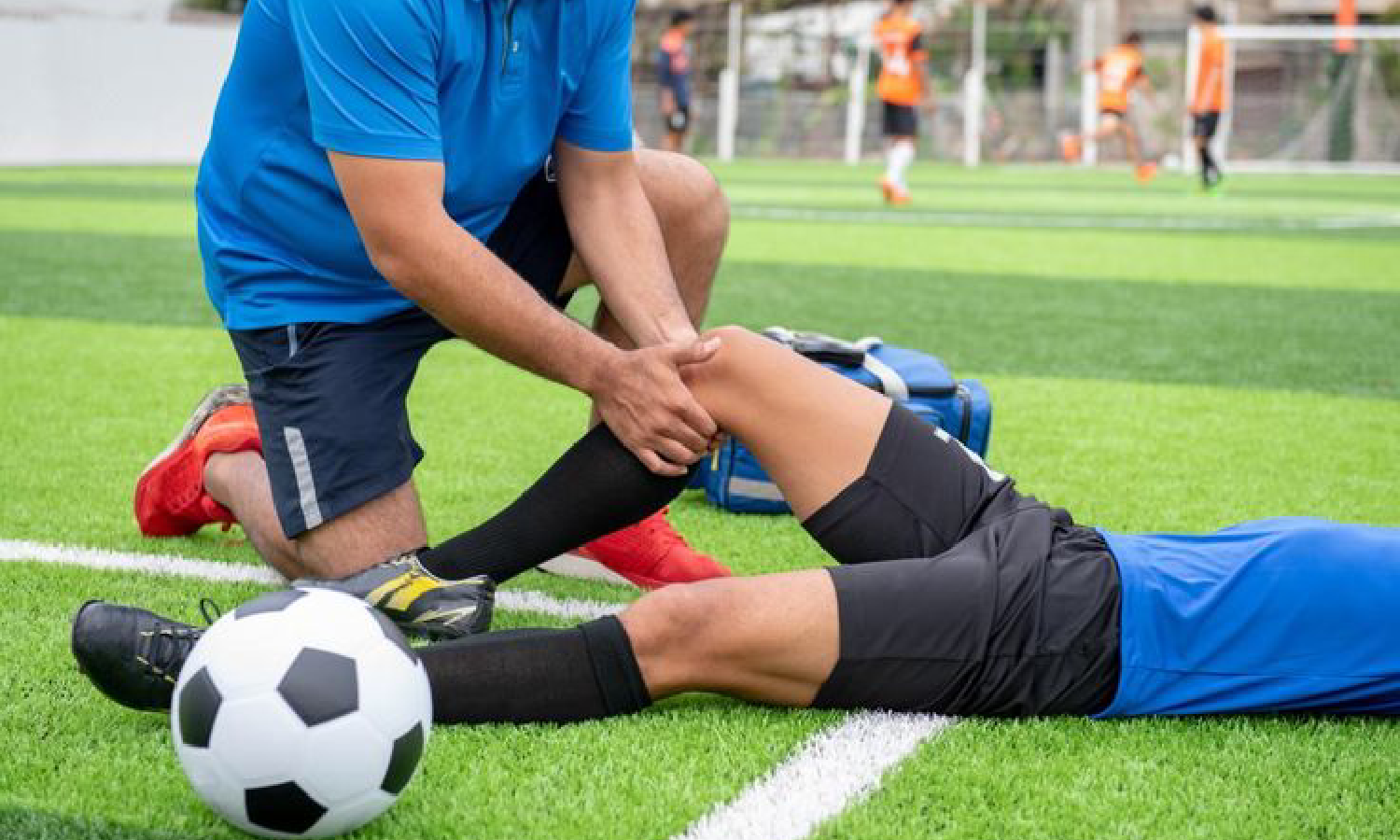
What are Sports Injuries?
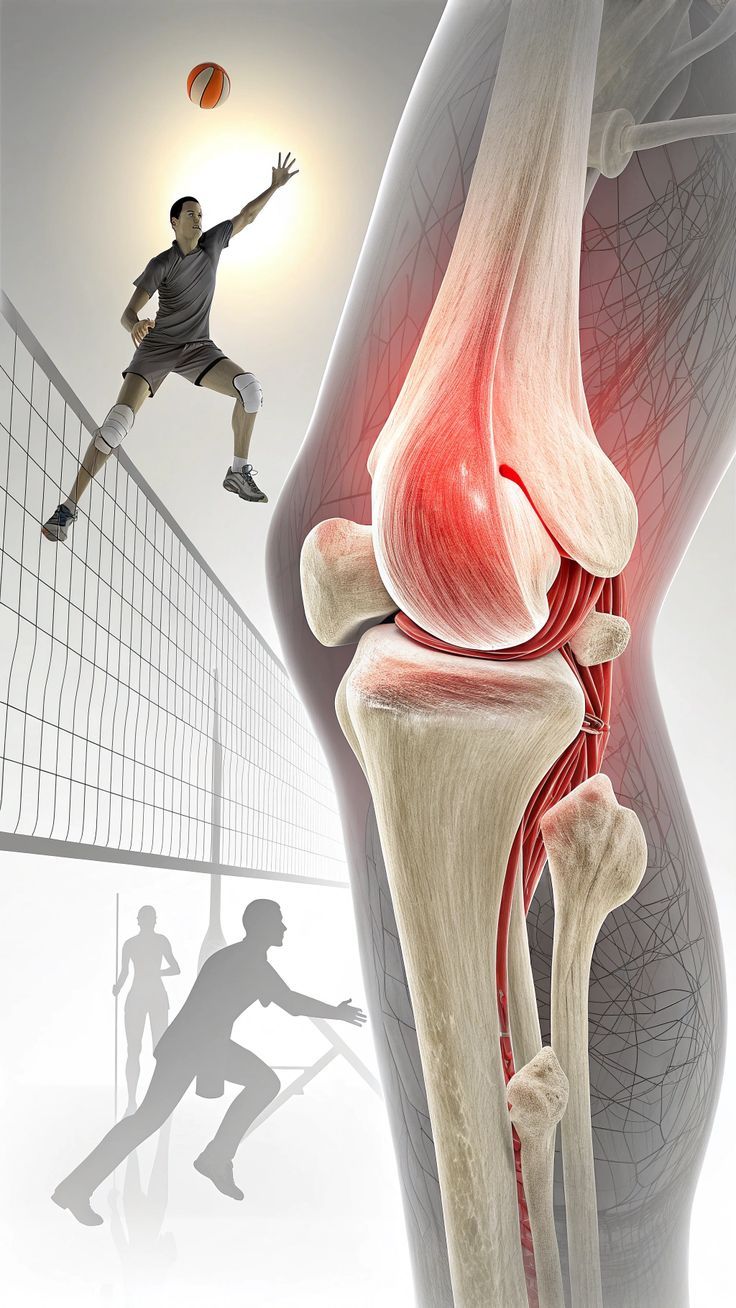
Sports injuries occur when muscles, joints, ligaments, discs, or spinal structures are stressed beyond their normal limits. These injuries can happen during sports activities, exercise, gym workouts, or physical training.
Some injuries develop suddenly after a fall or impact, while others happen gradually because of repeated strain, poor posture, improper technique, or overtraining.
At Ahmedabad Spine Hospital, treatment focuses on reducing pain, restoring movement, improving strength, and helping patients safely return to sports and daily activities.
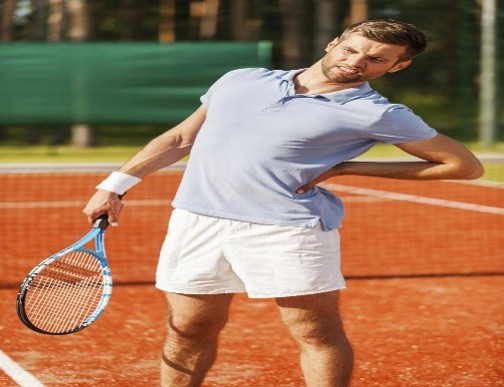

Activity-Related Pain
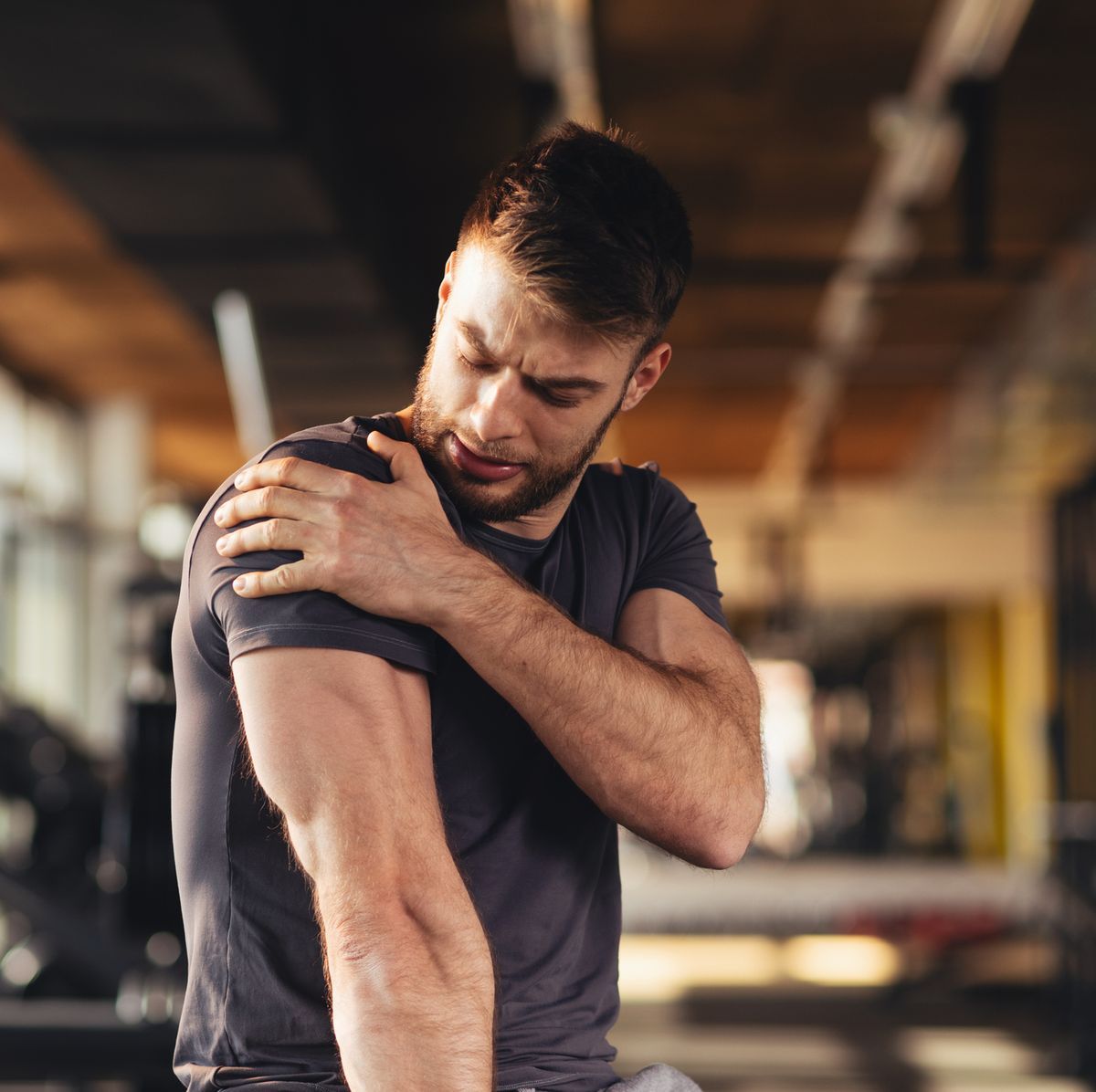
Pain may develop during sports, workouts, or physical activity.
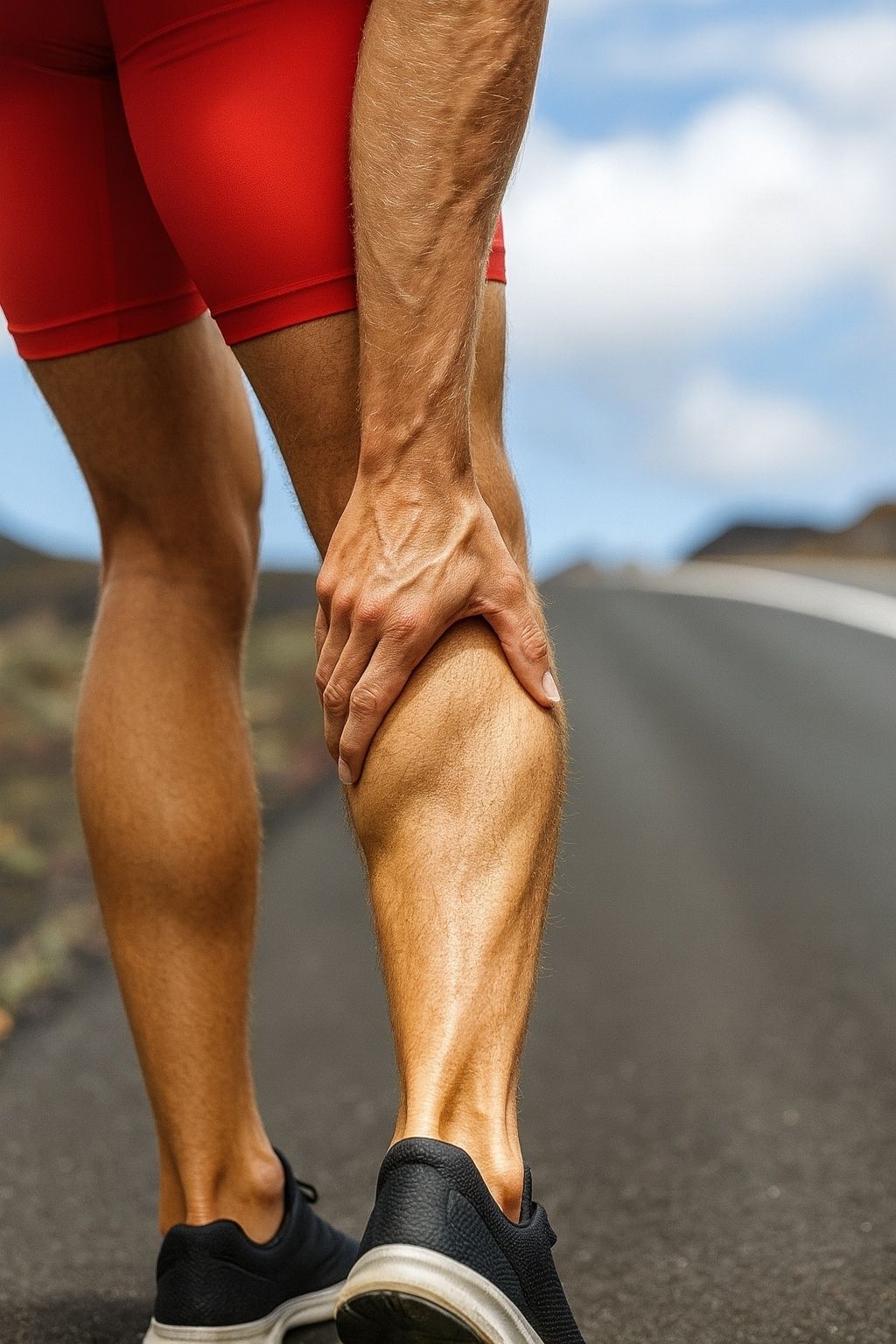
Muscle & Ligament Strain
Overstretching or sudden movements may injure soft tissues.
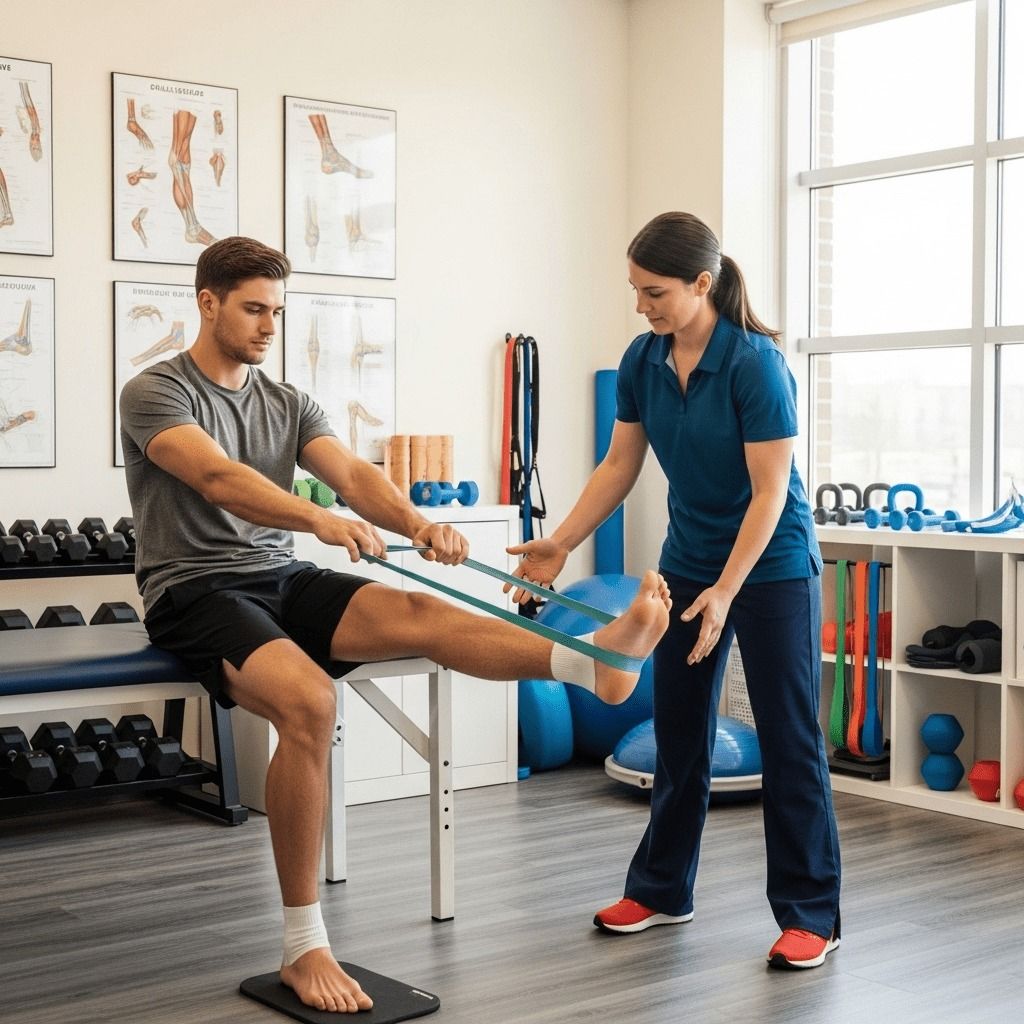
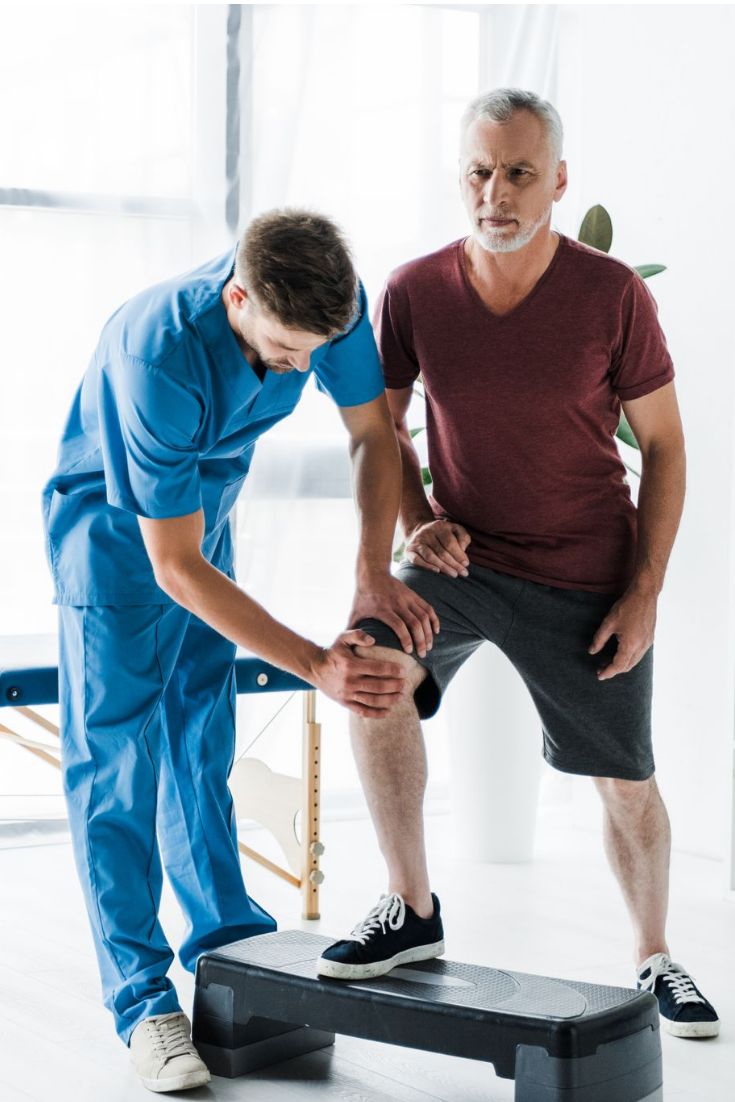
Careful Check-up
Proper check-up helps identify the exact injury and severity.
Recovery & Rehabilitation
Rehabilitation supports strength, flexibility, and safe return to activity.
Common symptoms and causes of sports injuries
Symptoms vary depending on the injured area and the type of activity involved.
Common Signs
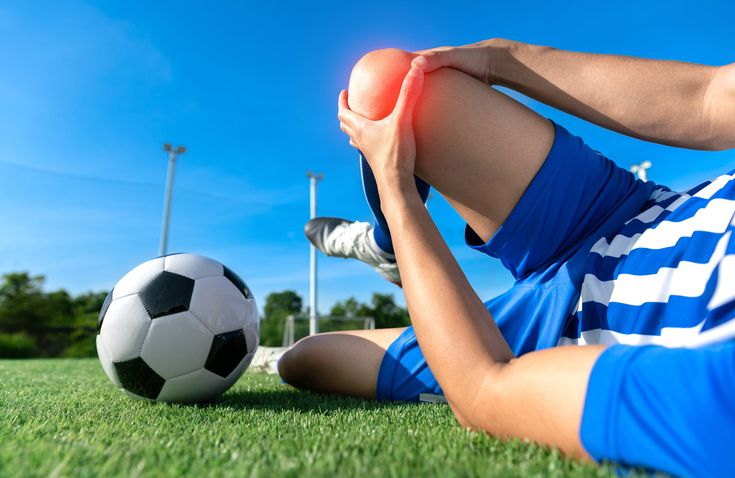
- Pain during movement or exercise
- Muscle tightness or stiffness
- Swelling or tenderness
- Reduced flexibility or strength
- Difficulty walking or bending comfortably
- Numbness or tingling in some cases

Possible Reasons
- Sudden falls or impact injuries
- Overtraining and repeated strain
- Improper lifting or exercise technique
- Poor posture during activity
- Lack of warm-up or stretching
- Weak supporting muscles and flexibility issues

How We Find the Cause
Proper check-up helps identify the injured structure, understand movement limitations, and plan suitable treatment and rehabilitation.
- Clinical examination and activity check-up
- Movement and flexibility check-up
- X-rays for bone and joint check-up
- MRI scan when soft tissue or nerve injury is suspected
- Strength and balance check-up
Treatment Options
Treatment depends on the type of injury, pain severity, and the patient’s activity level and recovery goals.
- Rest and activity modification
- Medication for pain and swelling
- Physiotherapy and rehabilitation exercises
- Stretching and flexibility training
- Strengthening and posture correction
- Sports-specific rehabilitation guidance
- Surgery in selected severe injuries
When is surgery needed?
Surgery may be considered when severe tissue damage, fractures, reduced spine support, or persistent symptoms do not improve with non-surgery. The aim is to restore function, improve stability, and support safe recovery.
Who is at risk?
- Athletes and active individuals
- Gym and fitness enthusiasts
- People involved in contact sports
- Individuals with poor exercise technique
- People returning to sports after long breaks
- Patients with weak flexibility or muscle imbalance
Why timely treatment matters
Ignoring sports injuries may increase pain, delay recovery, and raise the risk of repeated injury. Early treatment helps improve healing, restore strength, and support safe return to activity.