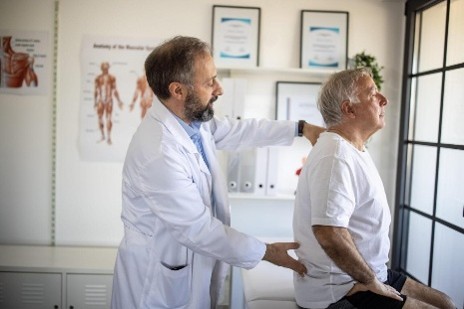
What is Low Back Pain?
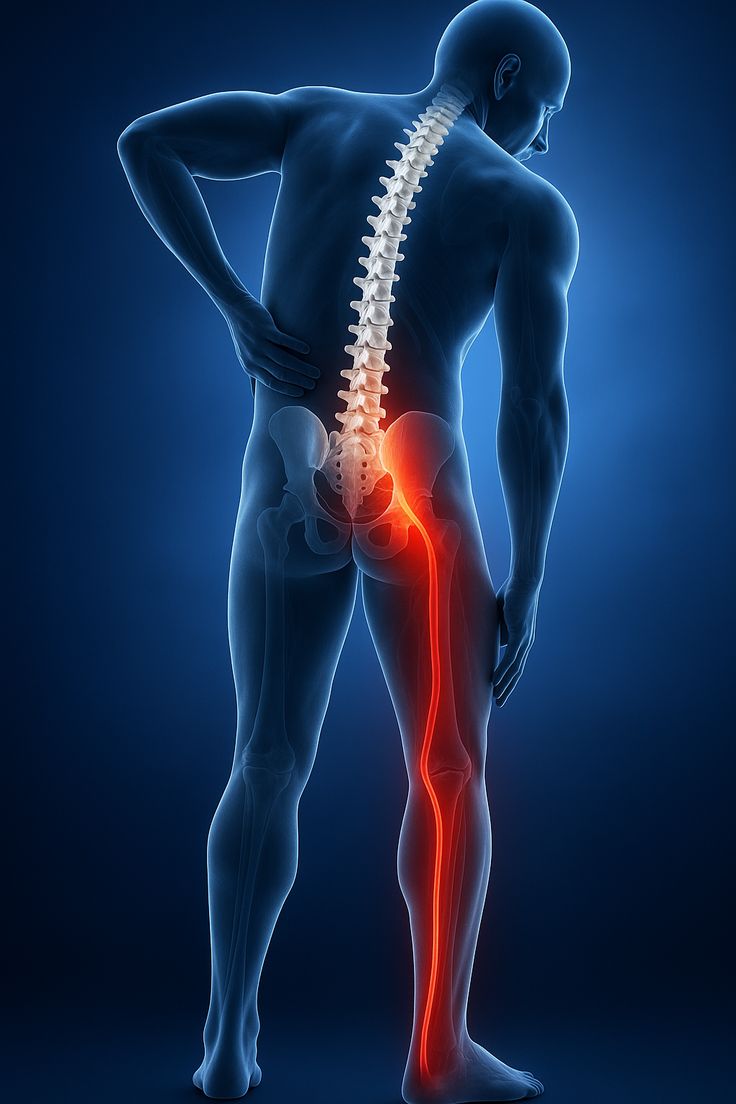
Low back pain refers to pain or discomfort felt in the lower part of the spine. It may stay limited to the back or may travel to the buttock, thigh, leg, or foot depending on whether a nerve is involved.
Low back pain can happen due to muscle strain, poor posture, disc problems, spinal stenosis, arthritis, injury, or age-related spine changes. In many patients, the pain improves with proper rest, medicines, physiotherapy, posture correction, and rehabilitation.
At Ahmedabad Spine Hospital, we focus on finding the real cause of back pain and planning treatment based on the patient’s symptoms, activity level, diagnosis, and recovery goals.

Spine Related Pain
Pain may come from muscles, joints, discs, nerves, ligaments, or age-related changes in the spine.
Posture & Sitting
Long sitting hours, poor posture, and incorrect lifting habits can increase lower back stress.

Cause-Based Care
Treatment is planned after identifying whether the pain is mechanical, disc-related, or nerve-related.

Movement Recovery
The goal is to reduce pain, improve flexibility, strengthen the back, and restore daily activity.
Common signs and causes of low back pain
Low back pain may be sudden after lifting or bending, or it may develop slowly due to posture, weakness, disc problems, or age-related spine changes. Pain pattern and movement difficulty help identify the possible cause.

Common Signs
- Pain or stiffness in the lower back
- Pain after sitting, standing, bending, or lifting
- Difficulty walking, turning, or getting up from a chair
- Pain spreading to the buttock, thigh, or leg
- Muscle tightness or spasm in the lower back
- Numbness, tingling, or weakness if a nerve is involved
- Pain that affects sleep, work, or daily routine
Possible Reasons
- Muscle strain or ligament sprain
- Poor posture and long sitting hours
- Lumbar disc bulge or herniated disc
- Sciatica or pressure on a nerve root
- Lumbar spinal stenosis
- Arthritis or age-related spine degeneration
- Weak core muscles, excess weight, or repeated lifting

How We Find the Cause
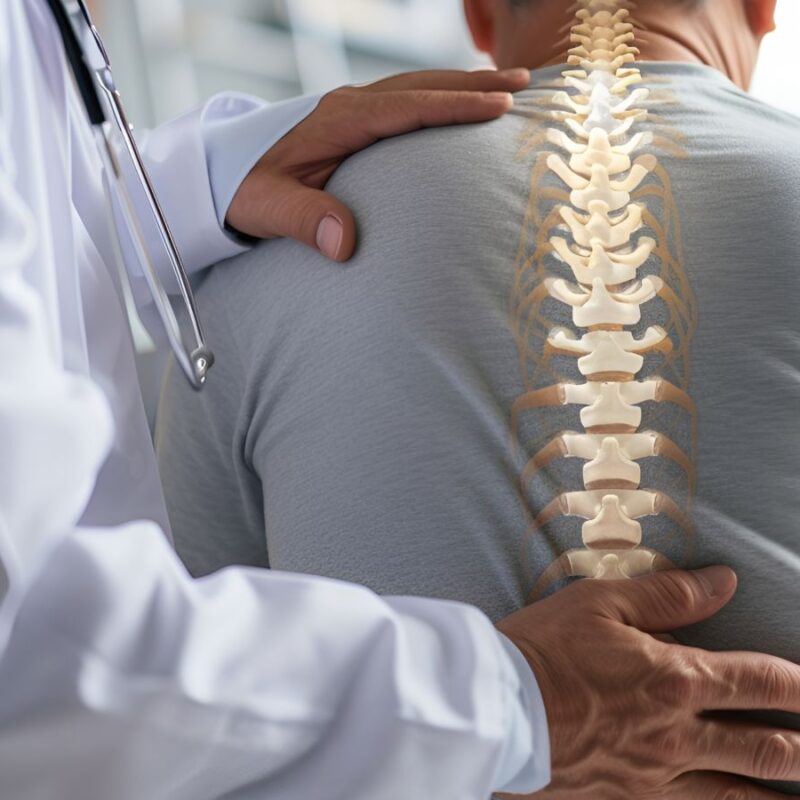
Finding the cause starts with understanding the pain location, duration, triggers, daily activity difficulty, and whether pain is travelling to the leg. A doctor's check-up helps check posture, movement, muscle tightness, nerve function, and warning signs.
- Detailed history of pain pattern and daily activity difficulty
- Physical examination of posture, movement, and back flexibility
- Nerve check-up for feeling, strength, and reflexes
- X-rays when alignment or degeneration needs to be assessed
- MRI scan when disc problem, stenosis, or pressure on a nerve is suspected
Treatment Options
Most low back pain improves with non-surgery. The plan depends on the cause, severity, duration of pain, nerve involvement, and the patient’s work and lifestyle needs.
- Short-term activity modification and guided rest
- Medication for pain, inflammation, or muscle spasm when appropriate
- Physiotherapy and supervised exercise program
- Posture correction and ergonomic advice
- Core strengthening and flexibility training
- Lifestyle guidance to prevent repeated episodes
- Advanced pain relief care or surgical opinion in selected cases
When is surgery needed?
Surgery is not required for most low back pain cases. It may be considered only when there is significant pressure on a nerve, severe leg pain, progressive weakness, reduced spine support, or symptoms that do not improve despite proper non-surgery.
Who is at risk?
- Office workers with long sitting hours
- People with poor posture or weak core muscles
- Manual workers doing repeated bending or lifting
- Adults with age-related spine wear and tear
- People with obesity or low physical activity
- Patients with previous back injury or recurrent back pain
Why timely treatment matters
Ignoring low back pain can lead to repeated episodes, reduced movement, poor posture, muscle weakness, and worsening nerve-related symptoms. Early specialist check-up helps confirm the cause and prevents unnecessary delay in treatment.