What is Neck Pain?
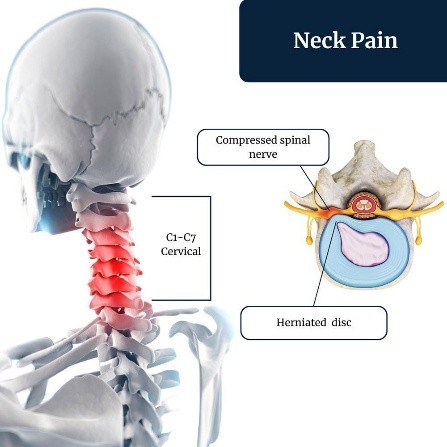
Neck pain refers to pain, stiffness, or discomfort in the cervical spine area. It may happen due to muscle strain, poor posture, disc problems, pressure on a nerve, injury, arthritis, or age-related spine changes.
Some patients feel pain only in the neck, while others may experience pain travelling to the shoulder, arm, forearm, or fingers. This may happen when a cervical nerve root is irritated or compressed.
At Ahmedabad Spine Hospital, treatment is focused on identifying the real cause of neck pain, reducing discomfort, improving movement, and preventing repeated episodes.


Neck Stiffness
Pain and stiffness may make it difficult to turn the head, look down, or maintain posture.

Arm Pain
Nerve irritation in the neck can cause pain, tingling, numbness, or weakness in the arm or hand.

Specialist Check-up
Proper check-up helps identify whether the pain is muscular, disc-related, or nerve-related.
Functional Recovery
Treatment aims to reduce pain, improve neck movement, and help patients return to routine activity.
Common signs and causes of neck pain
Neck pain may start suddenly after strain or injury, or it may develop gradually due to posture, disc problems, degeneration, or pressure on a nerve. The pattern of pain helps identify the possible cause.
Common Signs
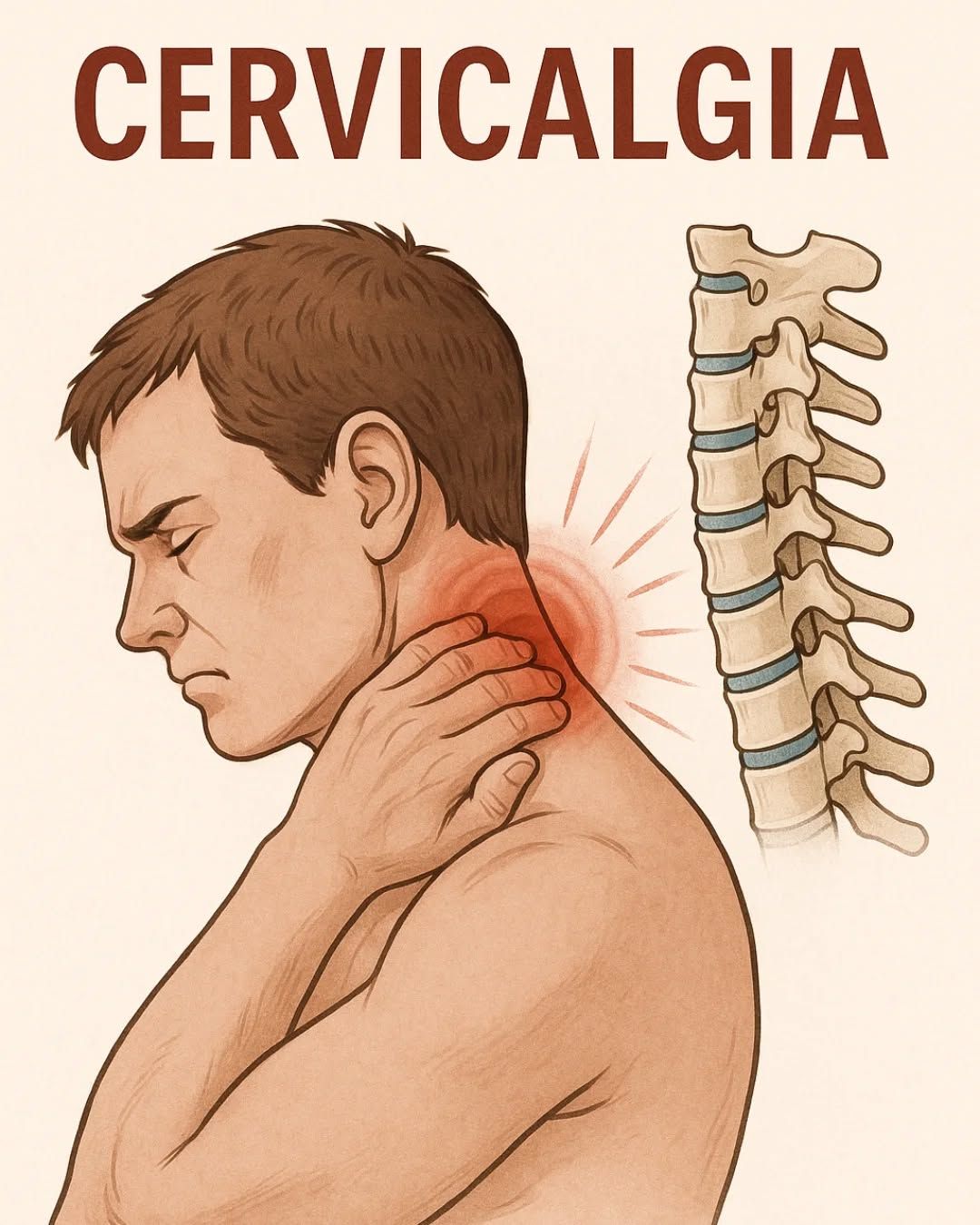
- Pain or stiffness in the neck
- Difficulty turning the head or looking down
- Pain spreading to the shoulder, arm, or hand
- Tingling or numbness in the arm or fingers
- Headache starting from the neck region
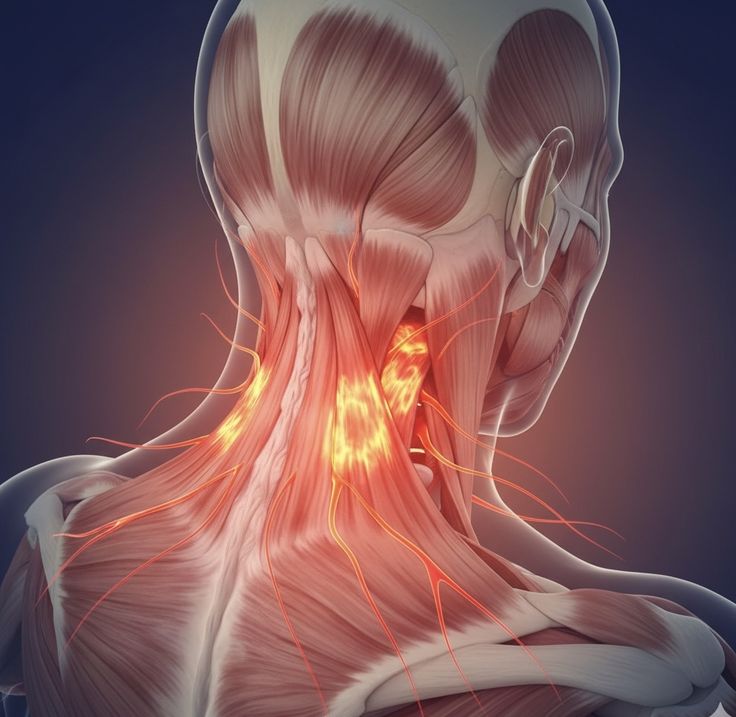
- Muscle spasm or tightness around the neck and shoulder
- Weakness in the arm or hand in more serious cases
Possible Reasons
- Poor posture and long mobile or computer use
- Muscle strain or ligament sprain
- Cervical slipped disc or disc bulge
- Pressure on a nerve root
- Cervical spondylosis or age-related degeneration
- Narrowing inside the spine in the neck
- Injury, sudden jerk, or whiplash-type trauma

How We Find the Cause
Finding the cause starts with understanding the pain location, duration, triggers, posture, and whether symptoms are travelling to the arm or hand. A doctor's check-up checks neck movement, muscle tightness, nerve function, strength, sensation, and reflexes.
- Detailed history of neck pain and daily activity difficulty
- Physical examination of neck movement and posture
- Nerve check-up for feeling, strength, and reflexes
- X-rays when alignment or degeneration needs to be assessed
- MRI scan when disc problem, stenosis, or pressure on a nerve is suspected
Treatment Options
Most neck pain improves with non-surgery. The treatment plan depends on the cause, severity, duration of pain, nerve involvement, posture, and lifestyle factors.
- Short-term activity modification and posture correction
- Medication for pain, inflammation, or muscle spasm when appropriate
- Physiotherapy and guided neck exercises
- Ergonomic advice for mobile, laptop, and desk posture
- Strengthening and flexibility exercises for neck and shoulder muscles
- Pain relief care support in selected cases
- Surgical opinion when pressure on a nerve is severe or progressive

When is surgery needed?
Surgery is not required for most neck pain cases. It may be considered if there is severe nerve compression, progressive arm weakness, pressure on the spinal cord, walking imbalance, or symptoms that do not improve despite proper non-surgery.
Who is at risk?
- People with long mobile, computer, or desk use
- Patients with poor posture or weak neck and shoulder muscles
- Adults with age-related cervical spine degeneration
- People doing repetitive neck movement or heavy work
- Patients with previous neck injury or repeated neck pain
- People with cervical disc problems or pressure on a nerve
Why timely treatment matters
Ignoring neck pain can lead to repeated stiffness, poor posture, reduced movement, sleep disturbance, and worsening nerve-related symptoms. Early check-up helps identify the cause and start the correct treatment before symptoms become more serious.